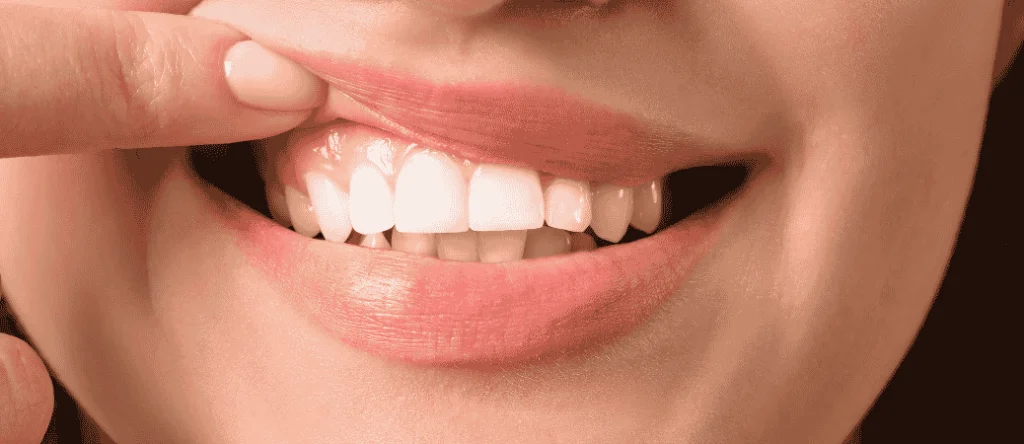


If your dentist has told you that you need a dental crown, you’re probably wondering what options are available and which one makes the most sense for your schedule and budget.
Same day crowns in Palm Harbor, FL, now give you more choices than ever before. Understanding the differences between these two approaches can help you make a confident decision about your dental restoration.
Same-day crowns are made and placed in a single appointment using digital technology, while traditional crowns require two visits with a temporary crown worn between appointments.
Both options can restore your tooth beautifully and last many years with proper care.
he main differences come down to how they’re made, how much time you’ll spend in the dental chair, and what the overall experience feels like.
Choosing between same-day and traditional crowns depends on your specific situation, your schedule, and your personal preferences.
This guide will walk you through everything you need to know about both types of crowns so you can have an informed conversation with your dentist about which option works best for you.
Key Takeaways
- Same-day crowns complete your treatment in one visit while traditional crowns require two appointments with a waiting period
- Both types of crowns offer similar quality, strength, and longevity when made properly by a skilled dentist
- Your choice should be based on your schedule, budget, and the specific needs of your tooth restoration
How Dental Crowns Restore Your Smile
A dental crown acts as a protective cap that covers your entire tooth above the gum line, restoring both its strength and appearance.
Crowns help you chew normally, protect weak teeth from further damage, and give you confidence in your smile again.
When Is a Crown Needed?
Your dentist may recommend a crown when your tooth has suffered significant damage that a filling can’t fix. Large cavities that take up more than half of your tooth often need a crown to hold everything together.
After a root canal, your tooth becomes brittle and needs a crown to prevent it from breaking.
Cracked or broken teeth are common reasons for crowns. Even if the crack seems small, it can worsen over time without protection.
Crowns also cover teeth that are severely worn down from grinding or have large old fillings that are starting to fail.
Sometimes you need a crown for cosmetic reasons. If you have a tooth that’s severely discolored or misshapen, a custom crown can match your other teeth perfectly.
Crowns also attach to dental implants to replace missing teeth.
Key Benefits of Getting a Dental Crown
A crown restores your tooth to its original shape and size so you can eat your favorite foods without worry. You won’t have to avoid certain foods or chew only on one side of your mouth anymore.
Protection is the main benefit. Your crown shields the weakened tooth structure underneath from bacteria and further decay. This protection can save your natural tooth and help you avoid extraction.
Crowns also improve your appearance. Modern materials match the color and shine of your natural teeth, so no one will notice the difference.
Your custom crown fits precisely with your bite, preventing jaw pain or uneven wear on other teeth.
With proper oral hygiene like regular brushing and flossing, your crown can last many years. You’ll maintain your smile and tooth function without ongoing problems.
Comparing Same-Day and Traditional Crown Procedures
The main difference between these two approaches is how many visits you need and where your crown gets made.
Same-day crowns use digital technology to create your restoration in one appointment, while traditional crowns require multiple visits and work done at an outside dental lab.
Step-by-Step: Same-Day Crown Process
Your dentist starts by preparing your tooth and then uses a digital scanner to capture 3D images of your mouth. This digital scanning process eliminates the need for messy impression materials.
The digital images go straight into CAD/CAM software where your dentist designs your crown on a computer screen.
You can often watch this process and even provide input on the shape and fit. The design takes about 10-15 minutes.
Once the design is complete, the information goes to an in-office milling machine. This device carves your CEREC crown from a solid ceramic block in roughly 15-20 minutes while you wait.
After milling, your dentist polishes and adjusts the crown to fit perfectly with your bite. The crown is then permanently bonded to your tooth.
Your entire appointment typically lasts 2-3 hours, and you leave with your permanent restoration in place.
Step-by-Step: Traditional Crown Process
Your first appointment involves tooth preparation and taking impressions using putty-like materials. Your dentist then places a temporary crown to protect your tooth while the dental lab makes your permanent one.
The impressions get sent to a dental lab where a dental technician hand-crafts your crown over the next 2-3 weeks. Lab-made crowns offer more material options including porcelain-fused-to-metal, gold alloys, or zirconia.
During this waiting period, you need to be careful with your temporary crown. Temporary crown issues like loosening or discomfort can happen, and you should avoid sticky or hard foods.
Your second appointment happens when the lab finishes your crown. Your dentist removes the temporary crown, checks the fit of your permanent one, and cements it in place.
If adjustments are needed, you might require a third visit.
Materials and Options for Crowns
Different crown materials offer unique benefits for strength, appearance, and cost.
Both same-day and traditional crowns can use several of these materials, though your options may vary based on which type of crown you choose.
Ceramic Crowns and Their Advantages
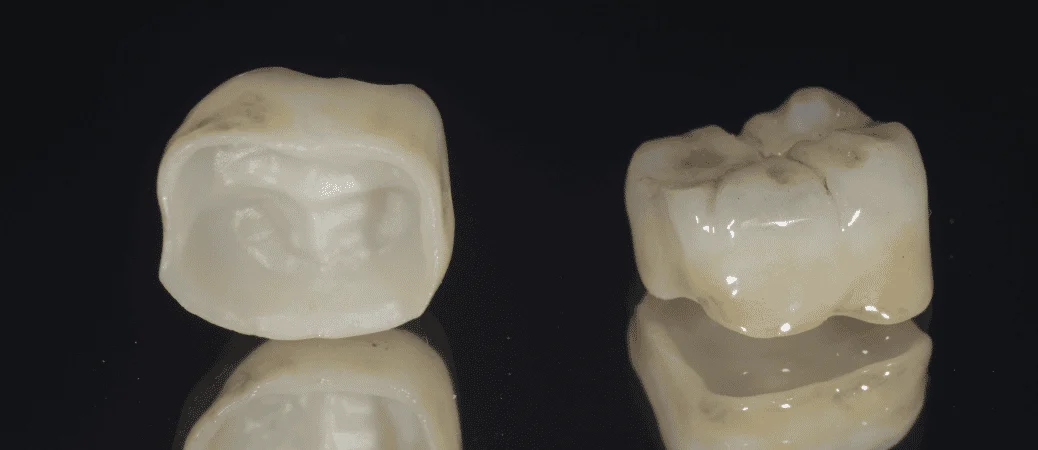
Ceramic crowns are made entirely from porcelain-based materials without any metal. They look the most natural because light passes through them just like it does through real teeth.
You’ll find ceramic crowns work best for front teeth where people can see them when you smile. The color matches your natural teeth almost perfectly.
These crowns don’t show dark lines at the gum line like some other options.
Benefits of all-ceramic crowns:
- Most natural appearance
- Best for visible front teeth
- No metal allergies possible
- Won’t cause gray shadows on gums
Lithium disilicate is a popular type of ceramic material that’s strong enough for most situations. It combines good looks with decent durability for everyday chewing.
Porcelain-Fused-to-Metal and Metal Crowns
Porcelain-fused-to-metal crowns have a metal base covered with tooth-colored porcelain. This design gives you strength from the metal core and a natural look from the porcelain outer layer.
The metal makes these crowns very durable for back teeth that do heavy chewing work. They’ve been used successfully for decades and have a proven track record.
One downside is that you might see a dark metal line at your gum line over time. This happens more often if your gums recede slightly as you age.
Metal alloy crowns made from gold or other metals are extremely strong and rarely break or chip. They’re gentle on opposing teeth and require less removal of your natural tooth structure.
Many dentists recommend them for molars that aren’t visible when you smile, though the gold or silver color makes them obvious.
Zirconia and Advanced Crown Materials
Zirconia crowns represent newer technology in dental materials. This ceramic material is much stronger than traditional porcelain while still looking natural.
You get the best of both worlds with zirconia – it’s tough enough for back teeth but white enough to blend with your smile. Zirconia works well for both same-day and traditional crown methods.
Zirconia advantages:
- Extremely strong and fracture-resistant
- Good natural appearance
- Biocompatible with gum tissue
- Long-lasting durability
This material handles heavy bite forces better than regular ceramic crowns. It’s become a popular choice for molars and premolars where you need both strength and reasonable aesthetics.
The cost is usually higher than other options, but many patients find the durability worth the investment.
What to Expect: Experience, Fit, and Aesthetics
The way your crown fits, looks, and feels depends on which option you choose. Same-day crowns offer immediate results while traditional crowns involve a temporary phase before you get your final restoration.

Crown Fit and Comfort
Same-day crowns are designed using digital scans of your prepared tooth, which creates a precise fit. The computer software maps every curve and contour, then mills the crown from a ceramic block right in the office.
Traditional crowns also fit well, but they use physical impressions sent to a lab. Lab technicians handcraft your custom crown based on these molds. Both methods produce crowns that fit securely on your tooth.
The main difference shows up during the waiting period. With traditional crowns, you’ll wear a temporary crown for 1-2 weeks. These temporaries protect your tooth but don’t fit as snugly as your permanent crown.
Food can get stuck around them, and they sometimes feel bulky or come loose.
Same-day crowns skip this awkward phase completely. You leave with your permanent crown already bonded in place.
Aesthetic Outcomes
Modern ceramic materials make both same-day and traditional crowns look natural. Your dentist can match the color to your surrounding teeth.
For back teeth, same-day crowns typically produce excellent results that blend in perfectly. For front teeth where appearance matters most, both options work well, though the outcome depends heavily on your dentist’s skill.
Lab-made crowns give technicians the option to hand-layer different shades of ceramic for extremely lifelike results. This extra step can create slightly more natural-looking crowns for very visible front teeth.
However, most patients find same-day crowns completely satisfactory for appearance.
Temporary vs. Permanent Results
When you choose same-day crowns, you walk out with your final result. There’s no temporary phase to worry about.
You can eat normally right away (once the numbness wears off), and you know exactly how your crown looks and feels.
Traditional crowns require patience during the temporary phase. Your temporary crown protects the prepared tooth but has limitations.
You need to avoid sticky foods and be gentle when chewing on that side.
The temporary gives you time to get used to having a crown, but it doesn’t represent your final result. Your permanent crown will fit better and feel more natural once it’s placed at your second appointment.
Cost, Insurance, and Long-Term Care
The financial side of choosing a crown matters just as much as the treatment itself. Understanding what you’ll pay, how your insurance works, and what it takes to keep your crown in good shape helps you plan better.

Crown Cost Considerations
CEREC same-day crowns in Palm Harbor typically range from $1,200 to $2,500 per tooth. Most patients pay between $1,400 and $1,800. Traditional crowns cost slightly less, usually $1,000 to $2,200, with most falling between $1,200 and $1,600.
The price difference comes from several factors. CEREC equipment represents a big investment for dental practices. The technology, software updates, and specialized training all factor into the cost.
Traditional crowns involve lab fees that vary based on the quality of materials used.
Don’t forget the hidden costs. Traditional crowns need two appointments, which means two co-pays if you have dental insurance.
You’ll also need to take time off work twice and possibly arrange childcare or transportation for both visits.
When you break down the cost over their lifespan, the difference becomes smaller. A $1,600 CEREC crown lasting 12 years costs about $133 per year. A $1,300 traditional crown over the same period runs about $108 per year.
Dental Insurance and Crowns in Palm Harbor
Most dental insurance plans cover crowns at 50% after you meet your deductible. Your annual maximum usually sits between $1,000 and $2,000.
The good news is that insurance companies typically don’t distinguish between CEREC and traditional crowns when it comes to coverage.
Insurance companies pay based on “usual and customary” rates for Palm Harbor, not the actual fee your dentist charges. If your dentist charges $1,600 but insurance considers $1,200 usual for the area, they’ll pay 50% of $1,200, which equals $600.
Get pre-authorization from your insurance before starting treatment. This tells you exactly what your portion will be and helps avoid surprises.
Ask your dentist’s office to submit a pre-treatment estimate to your insurance company.
Many Palm Harbor dental offices offer payment plans or financing options to help spread out costs. Some practices also give cash discounts if you pay in full upfront.
Longevity and Oral Hygiene for Crowns
Both CEREC and traditional crowns last 10 to 15 years or longer when you care for them properly. The crown longevity depends more on your habits than which type you choose.
Your oral hygiene routine makes the biggest difference. Brush twice daily with fluoride toothpaste and floss around your crown every day.
The tooth underneath the crown can still get cavities, especially where the crown meets your natural tooth.
Key habits that protect your crown:
- Avoid chewing ice or hard candy
- Don’t use your teeth to open packages
- Wear a nightguard if you grind your teeth
- Visit your dentist for regular cleanings every six months
Most crown failures happen because of new decay or gum disease around the margins, not because the crown itself breaks.
Keeping the area clean prevents these problems. Your dentist will check your crown at each visit to catch any issues early.
Frequently Asked Questions
Most patients want to know about appointment times, durability differences, aesthetic results, and costs when deciding between same-day and traditional crowns. These common questions help clarify what to expect from each option.
Can I get a permanent dental crown in just one visit, or will I need a second appointment?
You can get a permanent crown in one visit if your dentist offers same-day CEREC technology. The entire process takes about 2-4 hours in a single appointment.
Your dentist prepares your tooth, takes a digital scan, designs your crown on a computer, and mills it from a ceramic block right in the office. You leave with your permanent crown the same day.
Traditional crowns require two separate appointments. Your first visit includes tooth preparation and taking impressions, then you wear a temporary crown for 1-3 weeks while a lab creates your permanent crown.
You return for a second appointment to have the permanent crown placed.
How do in-office, same-day crowns compare to lab-made crowns in strength and durability?
Same-day crowns made from materials like zirconia offer good durability and strength comparable to traditional lab-made crowns. Both types can last 10-20 years or more with proper care.
The longevity of your crown depends more on your oral hygiene habits, whether you grind your teeth, and the crown’s location in your mouth than on how it was made.
Both manufacturing methods use high-quality materials that have been extensively tested.
Traditional crowns do have decades of long-term studies proving their reliability. However, same-day crowns have shown similar performance in current research.
What are the main downsides or limitations of getting a crown made the same day?
Same-day crowns typically use ceramic materials, which means you have fewer material options than with traditional crowns. You can’t get gold crowns or certain specialized materials through same-day fabrication.
Your appointment will last 2-4 hours, which is longer than a typical dental visit. Some patients find it tiring to keep their mouth open for extended periods.
Very complex cases or specific aesthetic requirements for front teeth might not be suitable for same-day treatment.
Traditional crowns offer more customization options through laboratory technicians who can make detailed adjustments.
Which crown option typically looks more natural and matches my surrounding teeth better?
Both options can look natural, but the answer depends on which tooth needs the crown. Traditional crowns provide more customization for front teeth where perfect color matching is critical.
Lab technicians can layer different shades and translucencies to match your natural teeth precisely. They have more time and tools to create highly detailed aesthetic results.
Same-day crowns work excellently for back teeth and many front tooth situations.
The ceramic materials used can achieve good color matching, though they might not capture every subtle variation that a lab technician could create by hand.
How long do same-day crowns usually last compared with traditional crowns?
Both same-day and traditional crowns typically last 10-20 years or more when you take proper care of them. The manufacturing method doesn’t significantly affect longevity.
Your crown’s lifespan depends on factors like brushing and flossing regularly, avoiding chewing ice or hard foods, and attending regular dental checkups. Whether you grind your teeth at night also plays a major role.
Research shows that properly placed same-day crowns made from quality materials have similar longevity to traditional crowns. The key is good oral hygiene and maintenance regardless of which type you choose.
What should I expect for cost and insurance coverage differences between these two crown options?
Same-day crowns often cost slightly more upfront than traditional crowns. However, you save money on time away from work since you only need one appointment instead of two.
You also avoid potential costs from temporary crown complications like loose or broken temporaries that need emergency visits. Insurance typically covers both types of crowns similarly, though coverage varies by plan.
The total cost difference varies by location and your specific dental office. Ask your dentist for a detailed cost breakdown that includes all visits and materials so you can compare the true total expense of each option.