


A cracked tooth can cause pain and worry, but you might not need a crown right away. Many people assume that any crack means an expensive and invasive crown procedure.
The good news is that saving a cracked tooth without a crown is possible in many cases, especially when the damage is minor and caught early.
Not all tooth cracks are the same. Some are tiny surface lines that cause no problems, while others go deeper and need more attention.
Your dental team can assess your specific situation and recommend treatments that may preserve your natural tooth structure without requiring a full crown.
The key is understanding what type of crack you have and knowing your options. From dental bonding to fillings, there are several ways to fix cracked teeth that cost less and take less time than getting a crown.
This article will help you learn about these alternatives and when they work best for your dental health.
Key Takeaways
- Minor tooth cracks can often be fixed with bonding or fillings instead of crowns
- The type and location of your tooth fracture determine which treatment will work best
- Seeing your dentist quickly helps prevent further damage and saves you money on repairs
Understanding Tooth Cracks and Their Types
Tooth cracks come in many forms, from tiny surface lines that pose no threat to deep fractures that can split a tooth in half. Knowing what type of crack you have helps determine whether you can save your tooth and what treatment you’ll need.
Common Causes of Cracked Teeth
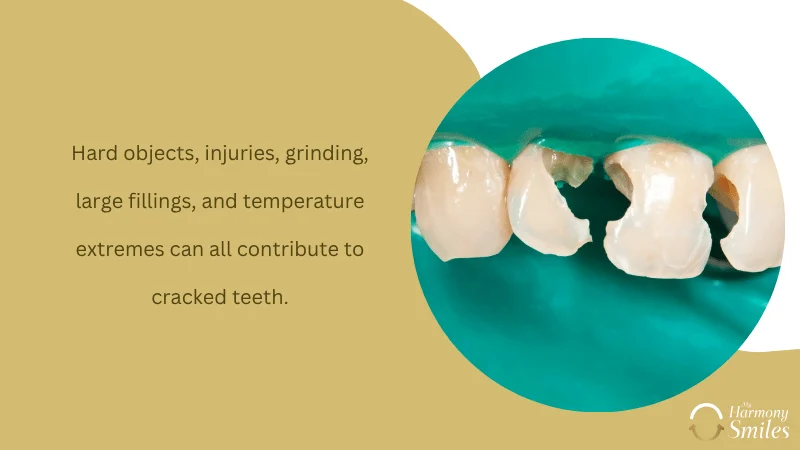
Chewing hard objects is one of the most common ways people crack their teeth. Biting down on ice cubes, popcorn kernels, hard candy, or pens can create enough force to fracture even healthy teeth.
Dental trauma from accidents or sports injuries can cause immediate tooth fractures. A fall, a car accident, or a hit to the face can crack your tooth right away.
Teeth with a large filling are weaker than intact teeth. The filling material doesn’t bond to your tooth the same way natural enamel does, which creates weak spots where cracks can start.
Grinding your teeth at night puts constant pressure on your enamel. Over time, this habit wears down your teeth and makes them more likely to crack. Temperature changes can also play a role when you eat something very hot and then very cold.
Types of Tooth Cracks
Craze lines are superficial cracks that only affect the outer enamel layer. These tiny vertical lines are common in adult teeth and usually don’t cause pain or require treatment.
Fractured cusps happen when a piece of your tooth’s chewing surface breaks off. This often occurs around a large filling and may not hurt much since the inner tooth usually stays intact.
A split tooth is a complete break that divides your tooth into separate pieces. This severe type of crack typically starts as a smaller crack that was left untreated and grew over time.
Vertical root fractures begin in the root below your gum line and move upward. These cracks are hard to spot early and often show minimal symptoms until infection develops.
Oblique cracks angle across your tooth and can extend below the gum line. When these cracks go deep enough, they can damage both the visible crown and hidden root of your tooth.
Severity and Risk Factors
The depth of your crack matters more than its length. A shallow crack that stays in the enamel is far less serious than a deep fracture that reaches the tooth’s nerve or root.
Your age increases your risk since teeth become more brittle over time. People over 50 experience more cracked teeth than younger adults.
Some factors make certain teeth more vulnerable:
- Back teeth take more chewing force than front teeth
- Teeth with root canals become brittle without their blood supply
- Weakened enamel from acid erosion or grinding
Types of tooth fractures that extend below your gum line are harder to treat successfully. The location of the crack determines whether your dentist can repair it or if you’ll need an extraction.
Symptoms and Diagnosis of a Cracked Tooth
A cracked tooth often causes sharp pain when you bite down, but the symptoms can vary from mild sensitivity to intense discomfort.
Knowing what signs to watch for and when to see a dentist can help you get treatment before the crack worsens.
Recognizing Warning Signs
Pain when chewing is one of the most common signs of a cracked tooth. You might feel a sudden, sharp jolt when you bite down on food or when you release the bite. The pain often comes and goes, which makes it easy to ignore.
Sensitivity to hot or cold foods and drinks can also point to a crack. You may notice discomfort when eating ice cream or drinking coffee.
Some cracks cause visible damage you can see in the mirror. Look for dark lines running across your tooth or chips along the edges. Swelling around the gum line near the affected tooth can develop if bacteria enter the crack.
Not all cracked teeth cause symptoms right away. Some people have craze lines that are shallow surface cracks without pain.
When to Seek Emergency Dental Care
You should treat tooth pain from a suspected crack as a dental emergency if the pain is severe or constant. Contact an emergency dentist if you have sharp pain that stops you from eating or sleeping.
Emergency dental care is needed if you notice swelling in your face or gums. This can signal an infection spreading from the cracked tooth. Fever, along with tooth pain also requires urgent attention.
Delaying treatment increases your risk of losing the tooth. Even if the pain goes away temporarily, the crack is still there and can get worse. Call your dentist within a day or two of noticing symptoms, even if they seem minor.
Dental Examination and Imaging Techniques
Your dentist will start by asking about your symptoms and examining your teeth visually. They may use a small instrument to check for movement in different parts of your tooth.
A bite test helps locate the crack. Your dentist will have you bite down on a special tool to see which tooth causes pain. They might also use a bright light or magnifying tool to spot hairline cracks.
X-rays don’t always show cracks clearly, but they can reveal damage to the tooth’s root or bone. Your dentist might take pictures from different angles to get a complete view.
Some offices use advanced imaging like 3D scans for better detail.
Staining dyes can make cracks more visible during your dental check-ups. The dye seeps into the crack and shows up under special lighting.
Conservative Treatments for Cracked Teeth Without a Crown
Several treatment options can repair minor to moderate cracks while preserving your natural tooth structure.
These approaches use modern materials and techniques to seal fractures, restore strength, and protect your tooth without the need for extensive enamel removal.
Dental Bonding and Tooth-Colored Resin
Cosmetic dental care procedures like dental bonding are one of the most popular methods for repairing a cracked tooth without a crown.
Your dentist applies tooth-colored resin directly to the crack, sealing it and restoring the tooth’s shape in a single visit.
The composite material bonds strongly to your natural enamel. It blends seamlessly with your existing tooth color, making repairs virtually invisible.
This treatment works best for small cracks that haven’t reached the inner pulp of your tooth.
The procedure is quick and minimally invasive. Your dentist roughens the tooth surface slightly, applies the resin, shapes it to match your tooth, and hardens it with a special light.
Dental bonding typically lasts 5 to 10 years with proper care.
You can return to normal activities immediately after treatment.
The tooth-colored resin used in bonding provides a protective seal that prevents bacteria from entering the crack while maintaining your tooth’s natural appearance.
Inlays and Onlays as Alternatives
Inlays and onlays offer a middle ground between fillings and crowns. An inlay fits within the cusps of your tooth, while an onlay extends over one or more cusps to provide broader coverage.
Your dentist creates these restorations from porcelain, composite resin, or gold to match your tooth. They’re custom-made in a dental lab after your dentist takes impressions of your tooth.
This precision fit makes them stronger and more durable than standard fillings.
Inlays and onlays preserve more of your natural tooth structure compared to crowns. They require less enamel removal while still providing excellent protection for moderate cracks.
The restoration bonds directly to your tooth, strengthening it and preventing the crack from spreading.
The process typically takes two visits. During the first appointment, your dentist prepares the tooth and takes impressions. You’ll wear a temporary restoration until your custom inlay or onlay is ready.
At the second visit, your dentist bonds the permanent restoration to your tooth.
Porcelain Veneers and Their Uses
Porcelain veneers are thin shells that cover the front surface of your teeth. They work well for veneers for cracked teeth when the damage is visible and primarily cosmetic.
Dental veneers are especially effective for front teeth with minor cracks or chips. Your dentist removes a small amount of enamel from the front of your tooth to make room for the veneer.
The porcelain shell is then bonded permanently to your tooth.
Veneers last 10 to 15 years and resist staining better than natural teeth. They provide both strength and beauty, hiding imperfections while protecting the cracked area from further damage.
This option works best when the crack doesn’t extend deep into the tooth. Your dentist will evaluate whether the crack’s location and severity make you a good candidate for veneers.
Temporary and Protective Measures
Sometimes you need immediate protection while planning permanent treatment. A temporary crown can shield your tooth from further damage and reduce sensitivity until you complete the final restoration.
Your dentist might also recommend a custom nightguard if teeth grinding caused your crack. This protective device prevents additional stress on your teeth while you sleep.
Avoiding hard foods and chewing on the opposite side helps prevent the crack from worsening. Your dentist may apply dental sealants or fluoride treatments to strengthen the remaining enamel around the crack.
These protective measures buy time for your tooth to stabilize. They also help your dentist monitor whether conservative treatments will succeed or if you’ll eventually need more extensive intervention.
When a Crown or Other Intervention Is Needed
Some cracked teeth require more extensive treatment than simple bonding or filling.
A dental crown becomes necessary when the crack extends deeper into the tooth structure, and in severe cases, you might need root canal therapy or even a dental implant if the tooth cannot be saved.
Cases Requiring Dental Crowns
A porcelain dental crown covers your entire tooth to protect it from further damage. You’ll need a crown when the crack extends below the gum line or affects a large portion of your tooth’s chewing surface.
Cracked teeth that receive root canal treatment show a 94% survival rate when restored with a crown compared to only 20% survival without one.
This makes crowns essential for protecting teeth that have undergone endodontic treatment.
Your dentist will likely recommend a crown if you have:
- Cracks that reach the tooth’s pulp
- Multiple fracture lines
- Large pieces of broken tooth structure
- Pain when biting down
The timing of crown placement matters significantly. Getting a crown quickly after root canal therapy helps prevent the crack from spreading and reduces your risk of tooth loss.
Role of Root Canal Therapy
Root canal therapy removes infected or damaged tissue from inside your tooth. You need this treatment when a crack extends into the pulp chamber where nerves and blood vessels live.
Deep cracks that extend onto the root surface can still be saved with root canal treatment, showing survival rates between 82% and 96%.
Your endodontist may place special barriers inside the tooth to seal the crack and prevent bacterial contamination.
Your tooth must receive a crown immediately after root canal therapy. Your dentist will also take you out of occlusion, meaning they’ll adjust your bite so the treated tooth doesn’t touch opposing teeth until the crown is placed.
A cracked tooth that only needs a crown today might require root canal therapy next month if the crack spreads. Early treatment gives you better outcomes and more options.
Dental Implants After Tooth Loss
Can a fractured tooth be saved? Not always. Sometimes the crack is too severe for any restoration to work.
You’ll need extraction and a dental implant when:
- The crack extends across the floor of the pulp chamber
- The tooth has completely split into separate pieces
- The crack runs vertically down the root
- Bone loss around the crack is extensive
A dental implant replaces your natural tooth root with a titanium post. Your dentist then attaches a crown to the implant to restore function and appearance.
Dental implants work well as a last resort, but saving your natural tooth should always be the first choice. Your natural teeth preserve jawbone better and maintain proper spacing.
Limits of Non-Crown Treatments
Bonding and filling materials have limitations for cracked teeth. These treatments work only for minor surface cracks that don’t affect the tooth’s structural integrity.
You cannot repair a tooth without a crown if:
- The crack weakens more than 30% of the tooth structure
- Chewing forces could cause further splitting
- The pulp is exposed or infected
- Previous fillings already compromise the tooth
Small cosmetic cracks might not need any treatment beyond monitoring. However, your dentist needs to examine the crack carefully to determine its depth and direction.
Treatment success depends on acting quickly. Waiting too long allows cracks to deepen and spread, turning a treatable problem into an extraction case.
Protecting and Maintaining Your Teeth After Treatment
After treatment for a cracked tooth, your focus shifts to keeping your tooth healthy and preventing new damage. Good daily habits and regular dental visits play a major role in how long your teeth last.

Oral Hygiene and Preventive Care
Keeping your treated tooth clean is one of the most important steps you can take. You should brush twice a day with a soft-bristle toothbrush and fluoride toothpaste.
Pay special attention to the area around your treated tooth, but be gentle to avoid causing stress to the repair.
Flossing once a day helps remove food particles and bacteria that your toothbrush can’t reach. This prevents infection and decay that could weaken your tooth further.
Use a gentle back-and-forth motion rather than snapping the floss down hard.
Rinsing with an antibacterial mouthwash can add extra protection. Regular dental check-ups every six months let your dentist monitor your treated tooth and catch any problems early.
Proper care after dental treatment helps promote healing and prevents further damage.
Preventing Future Cracks
You can protect your teeth by making simple changes to what you eat and how you eat it. Avoid chewing hard objects like ice, hard candy, popcorn kernels, and pen caps.
These put too much pressure on your teeth and can cause new cracks or make existing ones worse.
Cut tough foods like carrots and apples into smaller pieces instead of biting into them with your front teeth. Be careful with sticky foods that can pull on repairs or restorations. Don’t use your teeth as tools to open packages or bottles.
Your eating habits matter just as much as what you eat. Chew slowly and evenly on both sides of your mouth to distribute pressure.
Nightguards and Biting Habits
If you grind or clench your teeth at night, a nightguard can save your treated tooth from serious damage. Many people don’t even know they grind their teeth until their dentist notices wear patterns.
A custom-fitted nightguard creates a protective barrier between your upper and lower teeth.
You wear the nightguard while you sleep, and it absorbs the force from grinding. This keeps pressure off your treated tooth and prevents new cracks from forming.
Over-the-counter nightguards are available, but a custom one from your dentist fits better and works more effectively.
Pay attention to daytime habits too. Some people clench their jaw when stressed or concentrating. Notice when you’re doing this and relax your jaw muscles.
Long-Term Outlook and Monitoring
Your treated tooth needs ongoing attention to stay healthy. Acting quickly and getting early treatment gives you the best chance of keeping your natural tooth for many years.
Schedule regular dental exams so your dentist can watch for any changes. Small cracks can spread over time, so catching problems early prevents more serious damage.
Your dentist will take X-rays and examine the tooth visually to check its condition.
Watch for warning signs between appointments. Pain when biting, sensitivity to temperature, or swelling around the tooth should prompt a call to your dentist.
Some people notice these symptoms right away, while others have no pain at all.
The success of your treatment depends largely on how well you care for your tooth afterward. Following these guidelines helps protect your investment in your dental health.
Frequently Asked Questions
Many people wonder about their options when dealing with a cracked tooth, from cost-effective alternatives to emergency care at home. Treatment choices depend on the severity of the crack, whether the nerve is affected, and how quickly you can get professional help.
What are the treatment options for a cracked tooth if I want to avoid a crown?
You have several options depending on how deep the crack goes. For minor surface cracks called craze lines, your dentist might simply polish the tooth or leave it alone since these don’t usually cause problems.
Dental bonding works well for shallow cracks that only affect the enamel. Your dentist applies a tooth-colored resin to seal the crack and restore the tooth’s appearance.
For cracks that extend slightly deeper, porcelain veneers can cover front teeth without requiring full tooth coverage.
Onlays or inlays are partial crowns that cover only the damaged part of the tooth while leaving healthy tooth structure intact.
Can a cracked tooth be treated without needing a root canal?
Yes, many cracked teeth can be treated without a root canal. The determining factor is whether the crack has reached the pulp, which is the inner part of your tooth that contains nerves and blood vessels.
If the crack only affects the enamel or dentin layers, you might only need bonding, a filling, or a crown. You’ll know the pulp might be involved if you experience severe pain, sensitivity to hot and cold that lingers, or swelling around the tooth.
Your dentist will perform tests to check if the nerve is damaged before recommending treatment. Early treatment often prevents the crack from reaching the pulp and helps you avoid a root canal.
Are there cheaper alternatives to a dental crown for a cracked tooth?
Dental bonding is usually the most affordable option for minor cracks. It costs significantly less than a crown and can be completed in one visit.
Composite fillings also cost less than crowns and work well for small to moderate cracks. These materials can restore the tooth’s shape and function without covering the entire surface.
However, conservative treatment options might not last as long as a crown for deeper cracks. Your dentist can help you weigh the upfront savings against the potential need for future repairs.
What can I do at home to protect a cracked tooth until I can see a dentist?
Avoid chewing on the side of your mouth where the cracked tooth is located. Stick to soft foods that don’t require much biting force.
Rinse your mouth with warm salt water after eating to keep the area clean. You can take over-the-counter pain medication if you’re experiencing discomfort.
Use dental wax or sugar-free gum to cover sharp edges that might cut your tongue or cheek. If the crack causes sensitivity, avoid very hot or cold foods and drinks until your appointment.
What happens if a cracked tooth is left untreated or not covered with a crown?
Leaving a cracked tooth untreated can lead to several serious problems. The crack will likely get worse over time due to normal chewing pressure, causing the tooth to break further.
Bacteria can enter through the crack and cause an infection in the pulp. This leads to pain, swelling, and possibly an abscess that requires emergency treatment.
The crack might eventually split the tooth completely, making it impossible to save. At that point, extraction becomes your only option, which is more expensive and complicated than treating the crack early.
If a tooth is cracked in half but doesn’t hurt, does it still need treatment?
Yes, you still need to see a dentist even if there’s no pain. The absence of pain doesn’t mean the tooth is okay or that the crack isn’t serious.
Some cracks don’t cause immediate pain because they haven’t reached the nerve yet. However, the crack can deepen over time and eventually affect the pulp, leading to sudden severe pain or infection.
A tooth cracked in half is considered a split tooth, which is one of the most serious types of cracks. Your dentist needs to evaluate whether the tooth can be saved with a crown and root canal or if extraction is necessary.