


A dental emergency can happen at any time, often when you least expect it. You might bite down on something hard and crack a tooth, or wake up with severe pain that won’t go away.
Knowing what counts as a real emergency helps you decide when to seek immediate care and when a regular appointment can wait.
A true dental emergency involves severe pain, uncontrolled bleeding, a knocked-out tooth, or an infection that causes swelling in your face or neck.
Many emergency dentists in Ocala, FL offer same-day appointments so you don’t have to suffer through the pain or risk further damage. Quick action can make the difference between saving and losing a tooth.
Understanding which dental problems need urgent attention protects your oral health and saves you money in the long run.
Some issues feel scary but can wait until the next business day, while others require immediate professional care. This guide helps you recognize real emergencies and shows you what steps to take when dental trouble strikes.
Key Takeaways
- Severe pain, knocked-out teeth, uncontrolled bleeding, and facial swelling require immediate emergency dental care
- Quick action within the first hour of a dental emergency can save your natural tooth and prevent complications
- Dental office in Ocala, FL, provides same-day emergency appointments to address urgent dental problems promptly
Recognizing a True Dental Emergency
Not every dental issue needs immediate attention, but some symptoms signal serious problems that require prompt care.
Knowing the difference between situations needing emergency dental care and those that can wait helps you make the right decision for your oral health.
Symptoms That Require Immediate Attention
Certain symptoms mean you need to see a dentist right away. Severe, unrelenting pain that doesn’t respond to over-the-counter medication indicates a serious problem.
If you notice facial swelling that extends to your jaw, neck, or around your eyes, this could signal a spreading infection that needs immediate treatment.
A dental abscess presents as a painful, pus-filled bump on your gums and requires urgent care to prevent the infection from spreading.
Uncontrolled bleeding from your mouth that doesn’t stop after 10-15 minutes of applying pressure is another emergency situation.
If you experience difficulty breathing or swallowing along with dental pain or swelling, seek emergency care immediately. These symptoms suggest the infection may be affecting your airway.
Situations Needing Same-Day Dental Care
A knocked-out tooth gives you the best chance of being saved if you get to a dentist within 30-60 minutes. Keep the tooth moist in milk or your saliva and call for same-day treatment immediately.
Broken or cracked teeth with sharp edges that cut your mouth need prompt attention, especially if you’re experiencing pain. A lost filling or crown can expose sensitive tooth structure and should be addressed the same day to prevent further damage.
Severe toothaches with throbbing pain often indicate infection or decay reaching the tooth’s nerve. While this might not be life-threatening, you shouldn’t wait more than a day to see a dentist.
Concerns That Can Wait
Some dental issues don’t require urgent dental care but still need attention within a few days. Mild tooth sensitivity to hot or cold that goes away quickly can typically wait for a regular appointment.
A small chip in your tooth without pain or sharp edges isn’t an emergency. Dull, occasional toothaches that come and go may indicate a cavity but don’t require immediate treatment.
Food stuck between teeth that you can’t remove with floss is annoying but not urgent. Minor gum irritation without swelling or severe pain can usually wait for your next scheduled visit.
Need urgent dental care? Schedule a same-day appointment in Ocala, FL for prompt treatment.
Common Types of Dental Emergencies
Dental emergencies range from structural damage like breaks and cracks to urgent pain issues that need immediate attention.
Knowing what qualifies as an emergency helps you respond quickly and protect your oral health.

Handling a Broken or Cracked Tooth
A broken tooth or cracked tooth requires prompt attention to prevent further damage and infection. If you break a tooth, rinse your mouth with warm water and try to save any pieces you can find.
Place the broken pieces in a container with milk or saline solution. This keeps the tooth fragments in good condition until you reach a dental office.
You can take over-the-counter pain medication to manage discomfort while waiting for your appointment.
Apply an ice pack to your face near the affected area to reduce swelling. Avoid chewing on the side of your mouth with the damaged tooth.
Emergency dentists in Ocala provide quick treatment for broken teeth to restore both function and appearance.
The treatment depends on how severe the crack is. Small cracks may need only bonding or a filling. Larger breaks often require a crown to protect what remains of the tooth.
Addressing Knocked-Out or Dislodged Teeth
A knocked-out tooth is one of the most urgent dental emergencies you can face. Time matters when trying to save a tooth that’s been completely knocked out.
Pick up the tooth by the crown and avoid touching the root. Rinse it gently with water if it’s dirty, but don’t scrub or remove any attached tissue.
If possible, place the tooth back in its socket and bite down gently to hold it in place.
If you can’t reinsert it, store the tooth in milk, saliva, or saline solution. Never let the tooth dry out. You have about 30 minutes to an hour for the best chance of successfully reattaching the tooth.
Ocala dental offices that handle emergencies can often see you the same day. If your natural tooth can’t be saved, dentists can provide bridges or implants as replacement options.
Severe Toothaches and Infections
A severe toothache often signals a deeper problem like decay that has reached your tooth’s nerve. Sharp, throbbing pain that doesn’t go away with pain relievers counts as an emergency.
Facial swelling, fever, or a bad taste in your mouth alongside tooth pain suggests a dental abscess. This is an infection that can spread to other parts of your body if left untreated.
Swelling that affects your breathing or swallowing needs immediate medical attention.
Rinse your mouth with warm salt water to reduce irritation. You can use a cold compress on the outside of your cheek to manage swelling. Avoid placing aspirin directly on your gums as this can burn the tissue.
Emergency dental care in Ocala addresses infections quickly to stop the spread and relieve your pain. Treatment may include antibiotics, drainage of the abscess, or a root canal procedure.
Lost Fillings, Crowns, or Dental Restorations
A lost filling or crown exposes the sensitive inner parts of your tooth to bacteria and temperature changes. This can cause pain and increase your risk of infection or further damage.
If your crown falls out, try to keep it safe and clean. You can temporarily reattach it using dental cement or even toothpaste as a short-term solution. Avoid chewing on that tooth until you see a dentist.
For a lost filling, you can use sugar-free gum or temporary dental filling material from a pharmacy to cover the exposed area. Keep the area clean by rinsing with warm salt water after eating.
Schedule an appointment as soon as possible even if you’re not in pain. The exposed tooth structure can crack or decay quickly without protection.
Most Ocala dental offices can replace lost restorations during a same-day visit to restore your tooth’s function and appearance.
Treatment Options During a Dental Emergency
When you face a dental emergency, dentists use several treatment methods to address pain and restore your oral health. The specific approach depends on the severity of your injury or infection.
Immediate Pain Relief and Stabilization
Your dentist’s first priority is to reduce your discomfort and stabilize the affected area. Emergency dentistry often starts with a thorough examination to identify the source of pain.
For severe toothaches, your dentist may prescribe stronger pain medication than what you can buy over the counter. They’ll also clean and disinfect any infected areas to prevent the problem from spreading.
If you have a knocked-out tooth, your dentist will attempt to reinsert it into the socket if you arrive quickly enough.
Temporary fixes play an important role during emergencies. Your dentist might place a temporary filling over exposed nerves or use dental cement to secure a loose crown.
Cold compresses and antibiotics help manage swelling and infection until you receive more comprehensive treatment.
Tooth Extraction Procedures
Sometimes saving a tooth isn’t possible, and tooth extraction becomes necessary. Tooth extractions are common emergency procedures when teeth are severely damaged, cracked beyond repair, or infected to the point where other treatments won’t work.
Your dentist will numb the area with local anesthesia before removing the tooth. Simple extractions take only a few minutes for teeth that are visible above the gum line.
More complex cases require surgical extraction, especially for broken teeth or those with curved roots.
After the extraction, you’ll bite down on gauze to control bleeding. Your dentist will give you specific instructions about caring for the socket to prevent dry socket and infection.
Most people recover within a few days to a week.
Emergency Root Canal Therapy
You need root canal therapy when decay or injury reaches the inner pulp of your tooth. Root canal therapy removes infected tissue while saving your natural tooth structure.
During the procedure, your dentist creates an opening in the tooth to access the damaged pulp. They remove all infected material, clean the interior chambers, and seal the space with a rubber-like material.
The tooth then receives a temporary or permanent crown for protection.
Many people worry that root canals are painful, but modern techniques make the process no more uncomfortable than getting a filling. The procedure actually relieves the severe pain caused by infection.
When Dental Implants Are Needed
If your tooth can’t be saved or reattached, a dental implant provides a permanent replacement option.
While implants aren’t placed during the initial emergency visit, understanding this option helps you plan for long-term restoration.
A dental implant replaces both the tooth and its root with a titanium post surgically placed in your jawbone. This post fuses with the bone over several months, creating a stable foundation for a crown.
The process requires multiple appointments but results in the most natural-looking and functional replacement.
Your dentist might recommend a bridge or partial denture as alternatives if implants aren’t suitable for your situation.
These options also restore appearance and function, though they don’t prevent jawbone loss like implants do.
What to Do Before You Arrive at the Dental Office
Taking the right steps immediately after a dental injury can make a big difference in saving your tooth and reducing pain.
Knowing how to handle bleeding, preserve damaged teeth, and manage swelling helps protect your smile until you get professional care.
First Aid for Common Dental Injuries
Different dental injuries need different approaches to minimize damage. For a cracked tooth or chipped tooth, rinse your mouth with warm water to clean the area.
If you can find any tooth fragments, save them and bring them to your appointment.
Apply a cold compress to the outside of your face if you notice any swelling. This helps reduce inflammation and eases discomfort.
For cuts inside your mouth on your tongue, lip, or cheek, apply gentle pressure with clean gauze or a cloth. Hold it in place for several minutes to stop the bleeding.
If the bleeding doesn’t stop after 10 minutes or the cut looks deep, you may need to visit an emergency room instead of waiting for a dental appointment.
Never put aspirin directly on your gums or tooth, as this can burn the tissue.
Preserving a Knocked-Out Tooth
Time matters most when you’re trying to save a tooth that’s been completely knocked out. Pick up the tooth by the crown (the white part you normally see), never by the root.
Rinse the tooth gently with water if it’s dirty, but don’t scrub it or remove any attached tissue fragments. These tissue pieces help the tooth reattach.
Try to place the tooth back in its socket if possible, holding it in place with clean gauze. If you can’t reinsert it, keep the tooth moist by placing it in a cup of milk or holding it between your cheek and gums.
Don’t let the tooth dry out, as this significantly reduces the chances of saving it.
Get to a dentist within 30 minutes for the best chance of successful reimplantation.
Managing Pain, Swelling, and Bleeding

Facial swelling often signals a serious problem that needs quick attention. Place a cold compress or ice pack wrapped in a thin towel on the swollen area for 15 minutes at a time.
Take over-the-counter pain medication like ibuprofen or acetaminophen as directed on the package. These medications help with both pain and inflammation.
For a toothache, rinse your mouth with warm salt water to remove any trapped food particles. You can make this by mixing half a teaspoon of salt in eight ounces of warm water.
To control bleeding from a broken tooth or injury, bite down gently on clean gauze for at least 10 minutes. Don’t keep checking if the bleeding has stopped, as this disrupts clot formation.
If you’re experiencing severe, uncontrollable bleeding along with intense pain, head to the nearest emergency room while someone calls ahead to schedule.
Accessing Emergency Dental Care in Ocala, FL
Getting help during a dental emergency in Ocala means knowing how to book quickly, finding the right practice for your needs, and understanding your payment options before you arrive.
How to Book a Same-Day Emergency Appointment
Most Ocala dental offices reserve specific time slots each day for emergencies. When you call, tell the receptionist exactly what happened and describe your symptoms clearly.
Mention if you have severe pain, bleeding, or swelling.
Several emergency dentists in Ocala accept walk-ins between 6:00 am and 6:00 pm, Monday through Sunday. Calling ahead is still better than just showing up, even at practices that take walk-ins.
The staff can prepare for your arrival and reduce your wait time.
If you’re an existing patient, your regular Ocala dental office may prioritize you for same-day care.
New patients can usually get seen the same day too, but you might need to arrive early or be flexible with your appointment time.
Choosing the Right Ocala Dental Office
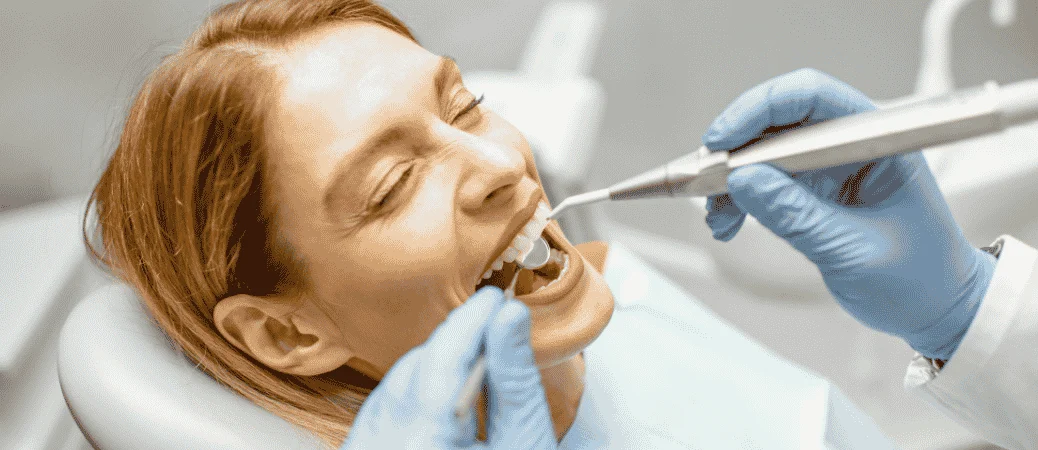
Look for a practice that clearly states they handle emergency dentistry services. Not all dental offices provide emergency care, so check their website or call to confirm.
Consider these factors when choosing:
- Hours of operation – Some practices offer extended hours or weekend availability
- Services provided – Make sure they can handle your specific emergency (extractions, repairs, root canals)
- Location – Pick an office close to your home or work for faster access
- Patient reviews – Look for feedback about emergency wait times and pain management
Practices that leave openings specifically for emergencies often provide faster care than those that squeeze emergencies between regular appointments.
Financial Considerations: Insurance and Payment Options
Most dental insurance plans cover emergency visits, but your coverage level depends on your specific plan.
Call your insurance company before your emergency dental appointment to verify benefits and find out your copay amount.
If you don’t have dental insurance, ask the office about their payment options. Many Ocala practices offer:
- Payment plans that let you spread costs over several months
- Dental financing through third-party companies
- Discounts for paying in full on the day of service
- Sliding scale fees based on income
Emergency dental care providers typically require payment at the time of service. Bring your insurance card and a backup payment method to avoid delays in getting treatment.
Frequently Asked Questions
Most people want to know if their dental problem needs immediate care and where they can get help fast. Emergency dental costs and timing can also affect your treatment decisions.
What symptoms mean I should see an emergency dentist right away instead of waiting for a regular appointment?
You should seek emergency dental care right away if you have severe or throbbing pain, a knocked-out or loose adult tooth, or bleeding that won’t stop.
Swelling of your gums, jaw, or face is another sign you need urgent care. An abscess or signs of infection require immediate attention too.
Broken teeth with pain also count as emergencies. Lost crowns or fillings should be checked quickly, even if they’re not as urgent.
Minor sensitivity or a small chip without pain can usually wait a day or two. When you’re unsure, it’s better to call a dentist than to guess.
Is a severe toothache considered an emergency, and when should I go in the same day?
A severe toothache is considered an emergency when the pain is unrelenting or throbbing. You should go in the same day if your toothache stops you from eating, sleeping, or doing normal activities.
Pain alone doesn’t always signal a true emergency. Some tooth pain can wait a day or two for treatment.
If your toothache comes with fever, swelling, or bad taste in your mouth, you need same-day care. These symptoms might mean you have an infection that could spread.
What should I do if I chip, crack, or break a tooth, does it need urgent treatment?
A chipped, cracked, or broken tooth needs urgent treatment when you feel pain with it. Rinse your mouth with warm water and apply a cold compress to reduce swelling. Save any tooth pieces you can find and bring them with you.
Same-day appointments are available at many Ocala dental offices for broken teeth. A small chip without pain or sharp edges may not be a genuine emergency, but you should still get it checked fairly quickly.
Sharp edges can cut your tongue or cheek, so cover them with dental wax or sugar-free gum until you see a dentist.
If a tooth gets knocked out, how quickly do I need to be seen to save it?
You need to be seen within 30 to 60 minutes to have the best chance of saving a knocked-out tooth. Time is critical for keeping the tooth alive.
Pick up the tooth by the crown, not the root. Rinse it gently with water if it’s dirty, but don’t scrub it or remove any attached tissue.
Try to put the tooth back in its socket if you can do it gently. If that’s not possible, keep it moist in milk or between your cheek and gum. Call a dentist immediately and get there as fast as possible.
Where can I find an emergency dentist in Ocala who’s open after hours or on Saturdays?
Most Ocala dental offices keep same-day slots for dental emergencies during regular business hours, Monday through Friday. Calling before 10 a.m. gives you the best chance at a same-day visit.
For after-hours emergencies, you may need to visit an urgent care center or hospital emergency room. Some dental offices have on-call dentists for true emergencies outside regular hours.
How much does emergency dental care usually cost in Ocala, and are there low-cost or free clinic options?
Emergency exam fees range from $75 to $200 in Ocala. Extractions cost between $150 and $400, while root canals run from $700 to $1,500.
Your final cost depends on how severe your problem is and what treatment you need. Many dental offices accept insurance, and most will discuss coverage before starting treatment.
Some offices offer payment plans to help spread out the cost. Call ahead to ask about pricing and payment options before you arrive.