

After braces or aligners, you need a plan to keep your teeth in place. The choice often comes down to fixed or removable options, and each one requires a different level of care.
Fixed teeth solutions like permanent denture stay bonded in place and need careful cleaning around the wire, while removable options come out for brushing but demand daily wear and safe storage.
Your habits, routine, and attention to detail will shape how well each option works for you.
If you want fewer chances of forgetting to wear your appliance, a fixed option may suit you. If you prefer flexibility during meals and brushing, a removable one may feel easier. The real difference shows up in how you maintain them every day.
Key Takeaways
- Fixed options stay in place and require detailed cleaning around them.
- Removable options allow easy brushing but depend on consistent daily wear.
- Your lifestyle and hygiene habits should guide your choice.
Compare fixed vs removable implant dentures maintenance to choose the right option for your smile
Understanding Fixed and Removable Teeth Solutions
You can replace or stabilize teeth with options that stay in place or that you remove each day. Each type affects how you clean your teeth, protect your gums, and manage long‑term care.
Types of Fixed Teeth and Retainers
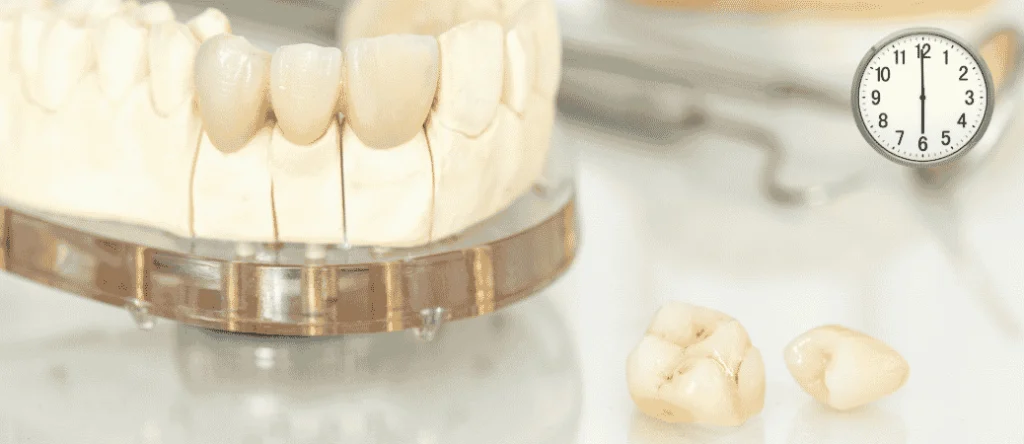
Fixed teeth include dental implants, implant bridges, and fixed dentures that your dentist secures to implants. You do not remove them at home. They act more like natural teeth and stay stable while you eat and speak.
A fixed retainer, also called a permanent retainer or bonded retainer, uses a thin wire. Your orthodontist bonds it to the back of your front teeth. It holds teeth in position after braces.
Key points about fixed retainers:
- They stay in place 24/7.
- You cannot remove them on your own.
- You must floss carefully under the wire.
Fixed retainers work well if your teeth tend to shift. However, plaque can build up around the wire if you do not clean it well. You may need special floss threaders or small brushes to keep the area clean.
Types of Removable Teeth and Retainers
Removable teeth include full or partial dentures. You take them out at night and clean them separately from your mouth. They rest on your gums and may use metal clasps or snap attachments for support.
A removable retainer holds your teeth in place after braces. Common types include:
- Hawley retainers made of acrylic and a metal wire
- Clear retainers made of thin plastic
- Clear removable retainers that fit snugly over your teeth
A clear plastic retainer looks similar to clear aligners. It covers all tooth surfaces and feels smooth.
Removable retainers give you flexibility. You can brush and floss normally once you take them out. But you must wear them as directed. If you forget, your teeth can shift.
Common Orthodontic Appliances
Orthodontic appliances move or hold your teeth in place. They include braces, aligners, and both fixed and removable retainers.
Braces use brackets and wires to shift teeth step by step. Clear aligners use a series of trays that you change every few weeks. After active treatment, you wear orthodontic retainers to protect your results.
You may choose between fixed and removable retainers based on:
| Feature | Fixed Retainers | Removable Retainers |
| Removal | Stays in place | You remove daily |
| Cleaning | Clean around wire | Clean retainer separately |
| Compliance | No action needed | Must remember to wear |
Your dentist or orthodontist helps you decide which option fits your habits and oral health needs.
Key Maintenance Differences
Fixed and removable options both protect your smile, but they demand different care habits. You must clean around wires and implants with care, or remove appliances daily and handle them safely to avoid damage.
Cleaning Fixed Retainers and Teeth
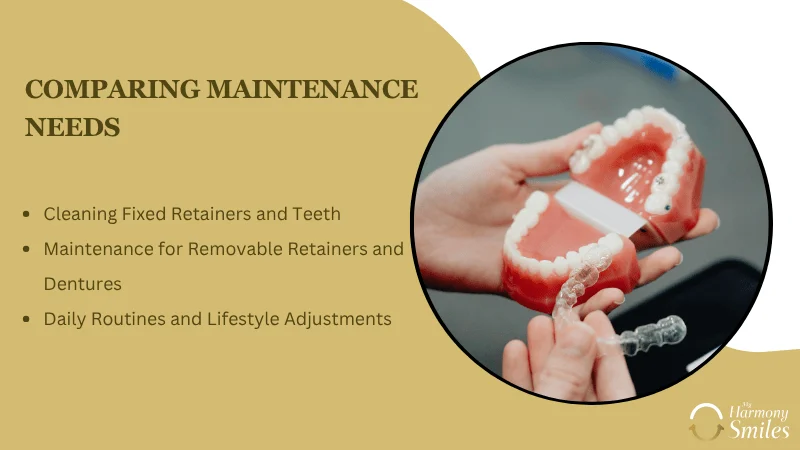
A fixed retainer, also called a permanent retainer or bonded retainer, stays attached to the back of your teeth. You cannot remove it, so you must clean around it carefully every day.
Food and plaque collect around the thin wire and bonding points. You should brush twice a day and aim the bristles at the gumline and behind the teeth. Use floss threaders or special floss made for fixed retainers to slide under the wire and clean between each tooth.
If you ignore these spots, you increase your risk of cavities and gum swelling. Your dentist may also suggest a water flosser to rinse tight spaces.
For implant-supported fixed teeth, care is similar. You brush thoroughly and clean under the bridge to prevent inflammation around the implants.
Maintenance for Removable Retainers and Dentures
Removable retainers and removable dentures come out of your mouth. This gives you easier access for cleaning, but it also adds extra steps to your routine.
If you wear a clear retainer, clear plastic retainer, or other clear removable retainers, rinse it every time you remove it. Brush it gently with a soft brush and mild cleaner. Avoid hot water, which can warp the plastic.
A Hawley retainer has an acrylic base and metal wire. You should brush all surfaces daily and store it in a protective case when not in use.
For removable teeth or full removable dentures, clean them at least once a day with a denture brush and non‑abrasive cleaner. Soak them overnight in water or a denture solution to keep their shape.
Daily Routines and Lifestyle Adjustments
With a permanent retainer, you adjust how you floss and brush, but you do not remove anything at night. You must stay consistent, because skipping even a few days can lead to buildup behind your teeth.
With removable retainers, you must remember to wear them as directed. If you forget or skip nights, your teeth can shift.
You also need safe habits. Always place your retainer or dentures in a case, not in a napkin where you might throw them away. Avoid chewing gum or sticky foods with a removable appliance in place unless your provider says it is safe.
Each option works well when you follow the care steps closely. Your daily habits make the real difference.
Long-Term Retention and Effectiveness
Long-term retention protects the results you worked hard to achieve with braces or aligners. Your choice between fixed and removable orthodontic retainers affects how steady your teeth stay, how much effort you must give, and how long the appliance lasts.
Continuous Retention with Fixed Options
A fixed retainer bonds to the back of your front teeth with wire and dental resin. It stays in place all day and night. You do not remove it.
This setup gives you continuous retention. Your teeth stay supported 24/7, which lowers the risk of early shifting. Many orthodontists recommend fixed retainers after crowding or spacing because teeth often try to move back.
Research shows fixed retainers hold incisor alignment well during the first months after treatment.
You must clean carefully around the wire. Brush along the gumline and use floss threaders or small interdental brushes to prevent plaque buildup.
Usage Compliance for Removable Solutions
Removable retainers include clear removable retainers and Hawley retainers made of acrylic and wire. You take them out to eat and brush.
These options only work if you wear them as directed. If you forget nights or skip days, your teeth can shift. Studies note that removable retainers depend fully on your discipline, while fixed types stay in place without effort.
Clear retainers fit tightly over your teeth and look almost invisible. Hawley retainers use a metal wire across the front teeth and allow small bite adjustments.
You must follow your orthodontist’s schedule. Many patients start with full-time wear, then switch to nighttime only for long-term retention.
Durability and Lifespan Considerations
Durability differs between fixed and removable appliances.
Fixed retainers can last many years if the bonding stays intact. However, the wire may loosen or the resin may detach. You need regular dental checks because small breaks can go unnoticed.
Clear removable retainers tend to wear down or crack over time. They can warp with heat and may need replacement every few years. Hawley retainers often last longer because the acrylic base and metal wire resist wear.
Vacuum-formed clear retainers are popular because they are affordable and easy to make, but they may not be as dimensionally stable long term.
Your long-term success depends on two things: how stable the retainer stays and how well you care for it.
Impacts on Oral Health and Periodontal Care
Your choice between fixed and removable teeth changes how you clean your mouth and protect your gums. Plaque control, gum comfort, and dental visits all depend on the type of appliance you wear.
Plaque and Calculus Accumulation
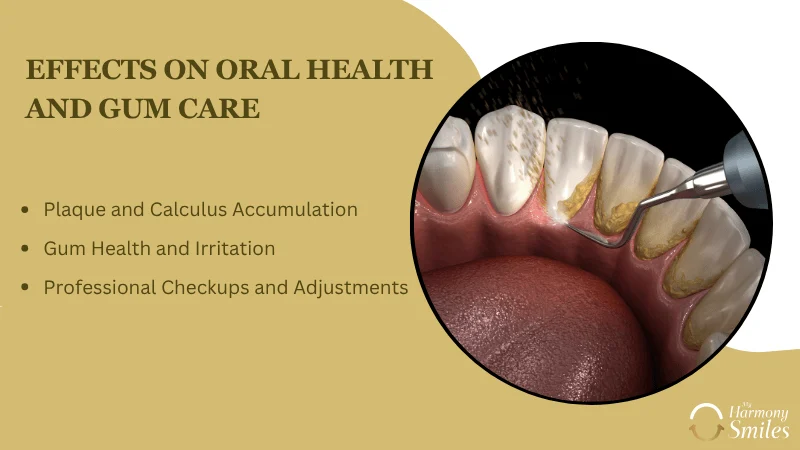
When you wear a fixed retainer or bonded retainer, the wire stays attached to the back of your teeth all day. Food and plaque can collect around the wire and bonding spots.
A 2023 review on fixed and removable orthodontic retainers and periodontal health found that fixed retainers tend to trap more plaque and calculus than removable retainers.
Glass-fiber reinforced retainers showed the highest buildup, while stainless steel wires performed better but still required close cleaning.
With removable retainers, such as a Hawley retainer, you can take the appliance out to brush and floss. This makes it easier to clean between teeth.
However, plaque can still build up on the retainer itself. You must brush the appliance daily and soak it as directed.
If you wear removable dentures, you also need to clean both the denture and your gums. Leaving dentures in overnight can increase plaque and raise your risk of gum irritation.
Key cleaning differences:
- Fixed retainers: harder to floss, need floss threaders or water flossers
- Removable retainers: easier tooth access, but require daily appliance cleaning
- Removable dentures: require full removal and separate cleaning routine
Gum Health and Irritation
Plaque that sits near the gumline can cause redness, swelling, and bleeding. This risk is higher when plaque collects around a fixed retainer wire.
Research shows that long-term retainer wear can change periodontal measurements, especially when plaque control is poor.
The same 2023 review reported that fixed retainers may increase plaque levels compared to removable options, which can affect gum health if you do not clean well.
A bonded retainer may also irritate your tongue at first. If bonding material sits too close to the gum, it can trap debris and inflame the tissue.
With a Hawley retainer, the acrylic plate rests against the roof of your mouth or along the inside of your lower teeth. Some people notice mild sore spots. Dentures can also rub against gum tissue if they do not fit well, which may cause ulcers.
You protect your gums by:
- Brushing twice a day with careful attention near wires
- Flossing daily, even if it takes more time
- Reporting bleeding or swelling to your dentist early
Professional Checkups and Adjustments
Fixed retainers require regular monitoring because you cannot remove them yourself. If the wire loosens or bends, it can shift your teeth or trap more plaque.
A 4-year follow-up study on fixed vs removable orthodontic retainers and periodontal health compared stability and gum outcomes over time. Both types maintained alignment, but each required ongoing professional review to manage hygiene and retainer condition.
With removable retainers, you must bring the appliance to each visit. Your dentist checks for cracks, warping, or buildup. If a Hawley retainer loses its shape, it may not hold teeth in the right position.
For removable dentures, checkups help adjust fit as your jawbone changes. Poor fit can increase pressure on gums and lead to sores.
You should expect:
- Regular cleanings to remove hardened calculus
- Checks of bonding points on fixed retainers
- Fit assessments for removable teeth and dentures
- Reinforcement of home care techniques
Consistent care keeps both your teeth and your gums healthy, no matter which type of appliance you use.
Choosing the Right Option for Your Needs
You need a solution that fits your daily habits, budget, and long-term dental plan. The right choice depends on how well you clean your teeth, how much you want to spend, and what your orthodontist sees during exams.

Lifestyle and Oral Hygiene Factors
Your daily routine plays a big role in this decision.
If you prefer something you do not have to remove, a fixed retainer or other fixed teeth stay in place all the time. You brush and floss around them, much like natural teeth. This works well if you tend to forget to wear removable retainers.
However, fixed retainers require careful cleaning along the gumline. Food can collect around the wire or under fixed dental work. If you skip flossing, plaque can build up fast.
Removable retainers and removable teeth give you more control. You take them out to brush and floss fully. This can make cleaning easier, but only if you remember to wear them as directed.
If you travel often or play sports, removable options may feel more flexible. If you want something that stays in place without daily decisions, fixed and removable retainers differ in that fixed options reduce the risk of forgetting.
Cost and Accessibility
Cost often affects your final choice.
Removable teeth usually cost less at first. They also need fewer procedures to place. This makes them easier to access for many patients.
Fixed teeth and fixed retainers often require more planning and lab work. That can raise the upfront cost. In some cases, they also need minor procedures to bond or secure them in place.
Over time, you should also think about maintenance costs. Removable retainers can crack or get lost, which means replacement fees. Removable teeth may need relining as your mouth changes.
Orthodontist Recommendations
Your orthodontist looks at your bite, bone support, and risk of shifting before making a suggestion.
A fixed retainer may hold teeth in place more consistently.
If you have strong oral hygiene habits and low risk of movement, removable retainers may work well. You must commit to wearing them as instructed.
Some patients benefit from both fixed and removable retainers. A fixed retainer can protect the front teeth, while a removable retainer supports the full arch at night.
Your orthodontist will base the decision on your dental history, not just preference.
Frequently Asked Questions
You care for fixed implant teeth and removable dentures in different ways. Cleaning steps, comfort habits, dental visits, and long-term costs all depend on which option you choose.
How do I clean fixed implant teeth compared with removable dentures?
You brush fixed implant teeth twice a day, just like natural teeth. Use a soft toothbrush and non-abrasive toothpaste to protect the surface.
Floss around implants daily. Many people use floss threaders, water flossers, or small interdental brushes to clean under the bridge.
With removable dentures, you take them out every night. Brush them with a denture brush and a denture cleaner, not regular toothpaste, which can scratch the surface.
Rinse dentures after meals. Soak them overnight in a denture solution to help reduce odor and bacteria.
What daily routine helps keep fixed teeth and removable teeth feeling comfortable and fresh?
Brush in the morning and before bed. Clean along the gumline to prevent plaque buildup and bad breath.
If you have fixed teeth, clean under the bridge every day. Food can collect there and cause gum irritation.
If you wear dentures, remove and rinse them after eating. Clean your gums and tongue with a soft brush before putting dentures back in.
Drinking water often also helps wash away food and keeps your mouth from feeling dry.
Which option is easier to maintain for someone with limited dexterity or arthritis?
Fixed teeth stay in your mouth, so you do not need to remove them. That can make daily care simpler in one way.
However, flossing under a fixed bridge may require small tools and steady hand control. That can feel hard if you have arthritis.
Removable dentures are easier to brush because you can hold them in your hand. But taking them in and out may feel difficult if your grip is weak.
Your dentist can suggest tools like larger-handled brushes to make either option easier.
How often should fixed teeth or removable dentures be checked and professionally cleaned?
Most people need a dental visit every six months. Your dentist will check your gums, implants, or denture fit.
Fixed implant teeth need regular exams to make sure the bone and gum around the implant stay healthy. Your hygienist may use special tools to clean around the implants.
Dentures also need checkups. Over time, your gums and jawbone can change shape, and your dentures may need adjustment or relining.
What foods or habits should I avoid to prevent damage to fixed teeth or removable dentures?
Avoid chewing ice, hard candy, or popcorn kernels. These can crack porcelain or damage denture teeth.
Sticky foods like caramel can pull on dentures and loosen them. They can also stress fixed bridges.
Do not use your teeth to open packages. If you grind your teeth at night, ask about a night guard to protect your dental work.
How do the long-term maintenance costs compare between fixed teeth and removable dentures?
Fixed implant teeth usually cost more at the start. They may last many years, but you still pay for regular cleanings and exams.
Removable dentures often cost less upfront. However, you may need relines, repairs, or replacements over time as your mouth changes.
Cleaning products also add small ongoing costs. Denture solutions and adhesives can increase your yearly expenses.
Your total cost depends on how well you care for your teeth and how often you need repairs or adjustments.