Dentures have helped millions of people restore their smiles, but they don’t work well for everyone.
Some people experience constant discomfort, gagging, or difficulty keeping their dentures in place no matter how many adjustments they make. These problems can make eating, speaking, and daily life frustrating.
Traditional dentures may not be suitable for people with severe gag reflexes, insufficient jawbone density, gum disease, or certain medical conditions that affect oral tissues.
Your dentist can evaluate your specific situation to determine if you’re a good candidate for dentures or if you need a different solution.
The good news is that modern dental technology offers several alternatives that might work better for your unique needs.
Understanding why some mouths can’t tolerate dentures helps you make informed decisions about alternatives to dentures.
Whether you’re considering dentures for the first time or struggling with ones you already have, knowing your options can lead you to a more comfortable and functional solution.
Key Takeaways
- Certain physical conditions like severe gag reflexes, flat jawbones, and gum disease can make traditional dentures uncomfortable or unstable
- Modern alternatives like dental implants, bridges, and implant-supported dentures offer more secure and comfortable options for tooth replacement
- Working with your dentist to assess your specific oral health and lifestyle factors helps you find the best solution for replacing missing teeth
Table of Content
- Common Reasons for Poor Tolerance of Traditional Dentures
- Challenges Faced by Specific Patient Groups
- Drawbacks and Limitations of Removable Dentures
- Modern Advances in Denture Technology
- Effective Alternatives for Replacing Missing Teeth
- Frequently Asked Questions
Common Reasons for Poor Tolerance of Traditional Dentures
Not everyone can comfortably wear traditional dentures due to physical conditions that affect fit and stability.
Issues like bone loss, gum problems, dry mouth, and material sensitivities can make wearing dentures painful or impractical.

Insufficient Bone Support and Jawbone Changes
Your jawbone naturally shrinks over time after tooth loss, which creates major problems for denture wearers.
Traditional dentures rely on the jawbone for support and stability, but when the bone becomes too flat or deteriorated, the dentures lose proper suction.
This bone loss happens because dentures sit on top of your gums rather than stimulating the jawbone like natural teeth do. Without that stimulation, your bone continues to deteriorate year after year.
When you have severe bone loss, your dentures will slip, slide, and cause sore spots. They may fall out when you eat or talk. Flat ridges make it nearly impossible for complete dentures to stay in place, even with adhesives.
Your dentist may recommend bone grafting to build up the jawbone before getting dentures. This surgical procedure adds bone material to areas where your natural bone has disappeared.
However, bone grafting requires healing time and doesn’t work for everyone.
Ongoing Gum Disease and Oral Health Conditions
Gum disease makes you a poor candidate for traditional dentures because it continues to destroy the bone and tissue that support them.
If you have active periodontal disease, your gums will be inflamed, tender, and prone to bleeding.
Wearing dentures on diseased gums causes constant irritation and pain. The pressure from dentures can create small wounds that heal slowly, especially if you have diabetes.
Diabetics face particular challenges because gum irritation can lead to infections when dentures aren’t removed regularly.
Your dentist needs to treat any gum disease before you get implants. This might include:
- Deep cleaning procedures
- Antibiotic treatments
- Extraction of remaining diseased teeth
- Healing time before denture fitting
Even after treatment, some people continue to have gum problems that make dentures uncomfortable. Your gums need to be healthy and strong to handle the pressure of chewing with full dentures.


Chronic Dry Mouth and Gag Reflex Issues
Dry mouth creates friction between your dentures and gum tissue, leading to painful rubbing and sores. Saliva acts as a natural lubricant and helps dentures stay in place through suction.
Without enough saliva, your dentures will move around and feel uncomfortable.
Many medications cause dry mouth as a side effect. If you take multiple prescriptions, you may not produce enough saliva to wear dentures comfortably.
A severe gag reflex makes it very difficult to wear upper dentures because they typically cover the roof of your mouth.
Some people have such a heightened gag reflex that they can’t tolerate the bulk of traditional dentures, even after multiple adjustments.
The thickness and extension of dentures trigger gagging in sensitive individuals. You might feel like choking or have trouble swallowing when first wearing dentures.
While some adjustment is normal, a chronic gag reflex doesn’t always improve over time.
Allergic Reactions and Material Sensitivities
Some people develop allergic reactions to the materials used in traditional dentures. Most dentures are made from acrylic resin, which contains chemicals that can cause sensitivity in certain individuals.
Signs of material allergies include burning sensations, excessive redness, swelling, or rashes in your mouth. You might also experience metallic tastes or increased saliva production.
These reactions make it impossible to wear your dentures without significant discomfort.
Metal allergies can also be a problem if your partial dentures contain metal clasps or frameworks. Nickel and other metals used in dental appliances sometimes trigger immune responses.
Your dentist can test different materials to find options that work with your body chemistry, though this isn’t always successful.
Challenges Faced by Specific Patient Groups
Certain groups face unique obstacles when trying to use traditional dentures due to health conditions, physical limitations, or changes to their mouth structure.
Your ability to adapt to removable dentures often depends on factors beyond basic oral health.
Individuals With Cognitive or Physical Limitations
If you have conditions like dementia, Parkinson’s disease, or arthritis, managing removable dentures can become extremely difficult.
The fine motor skills needed to insert and remove dentures may be beyond your physical abilities. You might forget to clean your dentures or leave them out entirely.
Patients with tremors struggle to keep dentures stable during insertion. Those with reduced dexterity find the daily maintenance routine frustrating or impossible without help from caregivers.
Your cognitive decline can also affect your ability to adapt to new dentures or remember wearing them consistently.
Partial dentures with clasps and attachments require even more coordination. If you rely on others for daily care, traditional dentures add another layer of complexity to your routine that may not be manageable.
Patients With Chronic Medical Conditions
Diabetes affects your mouth in ways that make wearing dentures challenging. If you have uncontrolled blood sugar, your gums may swell or shrink unpredictably, causing dentures to fit poorly.
You’re also at higher risk for infections under your dentures.
Autoimmune conditions like Sjögren’s syndrome cause severe dry mouth. Without adequate saliva, your dentures won’t stay in place and can cause painful sores.
Your dentist may struggle to create suction for complete dentures when your mouth lacks natural moisture.
Patients undergoing chemotherapy often experience mouth sores and tissue changes. Your gums become more sensitive, making traditional dentures uncomfortable or unwearable during treatment.
Oral Cancer Survivors and Structural Changes
Cancer treatment can dramatically alter your jaw and mouth structure. Radiation therapy often causes permanent dry mouth and tissue damage. Your bone density decreases, reducing the ridge that holds dentures in place.
If you’ve had surgery to remove tumors, your mouth shape may no longer support conventional dentures. Missing sections of your jaw or palate create gaps that standard dentures can’t accommodate.
You need specially designed prosthetics that account for these changes.
Survivors frequently deal with limited mouth opening or scar tissue. These conditions make it difficult for your dentist to take accurate impressions or for you to insert removable dentures comfortably.
Drawbacks and Limitations of Removable Dentures
Removable dentures can cause ongoing bone loss in your jaw and create stability problems that affect your daily comfort. These issues often get worse over time and require frequent adjustments.
Bone Loss and Facial Changes
When you lose teeth, your jawbone starts to shrink because it no longer gets stimulation from tooth roots. Traditional dentures sit on top of your gums and don’t stop this process.
Your bone continues to deteriorate at a rate of about 25% in the first year after tooth loss.
This bone loss changes the shape of your face over time. Your cheeks may look sunken and your chin can appear more pointed. The distance between your nose and chin gets shorter, making you look older than you are.
As your bone shrinks, your dentures stop fitting properly. You’ll need to get them relined or replaced every few years.
Some people need bone grafting procedures if they want to switch to other tooth replacement options later.
Stability, Maintenance, and Comfort Issues
Your removable dentures can slip or click when you talk, eat, or laugh. This happens because they rely on suction and your gum ridges for support.
Full dentures move around more than partial ones since they cover larger areas.
Taking your dentures in and out exposes them to more germs than fixed options. People with removable dentures may experience higher rates of decay and gum disease over time.
You need to clean them daily with special solutions and handle them carefully to avoid cracks.
Many wearers report soreness and discomfort, especially in the first few months. Hot foods may feel different because the denture material blocks heat from reaching your palate.
You might also need to avoid certain sticky or hard foods that could dislodge your dentures.
Modern Advances in Denture Technology
New technology has changed how dentists make and fit dentures, making them more comfortable and precise than ever before.
Digital tools and better materials now allow for custom solutions that work with your mouth instead of against it.
Digital Dentures and Precision Fitting

Digital dentures use CAD/CAM technology to create a more accurate fit than traditional methods. Your dentist takes digital scans of your mouth instead of using messy impression materials.
These scans capture exact measurements of your gums and jaw.
The computer then designs your dentures to match your mouth’s unique shape. This means fewer appointments and less chair time at the dental office.
3D printing builds complete dentures layer by layer with exact precision. Milled dentures are carved from solid blocks of material, which eliminates shrinkage problems that happen with traditional acrylic.
Both methods produce full dentures that fit better and stay in place more securely.
If you need adjustments or a replacement, your dentist keeps your digital file on record. They can quickly make new dentures without starting the whole process over.
New Materials and Customization
Biocompatible resins have replaced old acrylic materials in many modern dentures. These new materials are stronger and less likely to cause allergic reactions.
They also resist staining and odors better than traditional denture materials.
The resins are more translucent, which makes your dentures look more like natural gums and teeth. Materials like Flexcera and Lucitone offer high strength and durability while maintaining a natural appearance.
Your dentist can now choose from multiple shade options to match your skin tone and desired tooth color. Some materials are flexible, which helps your dentures adapt to mouth movements throughout the day.
Others are ultra-lightweight to reduce pressure on sensitive gums.
These advances mean you get dentures designed specifically for your comfort needs and aesthetic preferences.
Effective Alternatives for Replacing Missing Teeth
Several modern tooth replacement options provide better comfort and function than traditional dentures.
These solutions range from permanent implants that preserve your jawbone to removable options that offer more stability than conventional dentures.

Dental Implants and Bone-Preserving Solutions
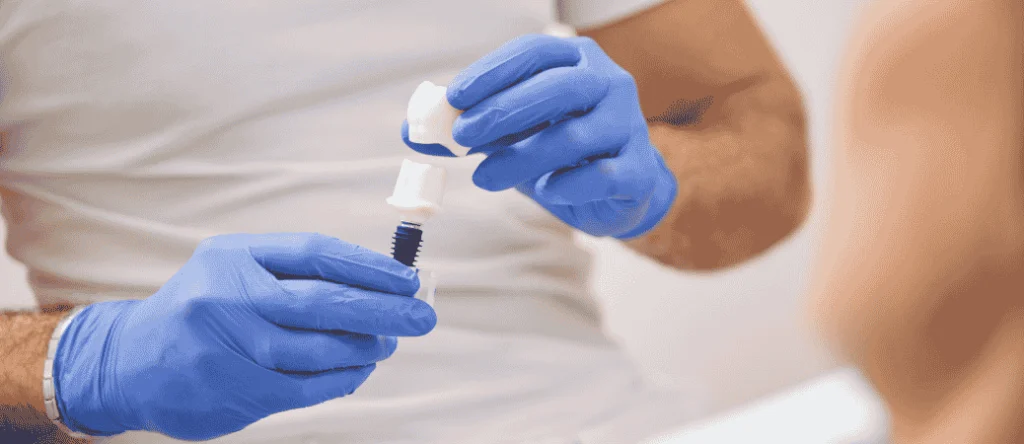
Dental implants are the best alternative to dentures because they work like natural tooth roots. A dentist surgically places a titanium post into your jawbone, which fuses with the bone over several months.
This process preserves your jawbone and prevents the bone loss that happens with traditional dentures.
You can use a single implant with a crown to replace one tooth. For multiple missing teeth, you can get several implants paired with a bridge. Implants are extremely stable and function just like your natural teeth.
Benefits of dental implants:
- Prevent jawbone deterioration
- No impact on surrounding healthy teeth
- Permanent and long-lasting
- Allow you to eat all foods normally
Drawbacks to consider:
- Higher upfront cost than other options
- Require surgery and several months for healing
- Not suitable if you have advanced bone loss
Implant-Supported Dentures and Overdentures
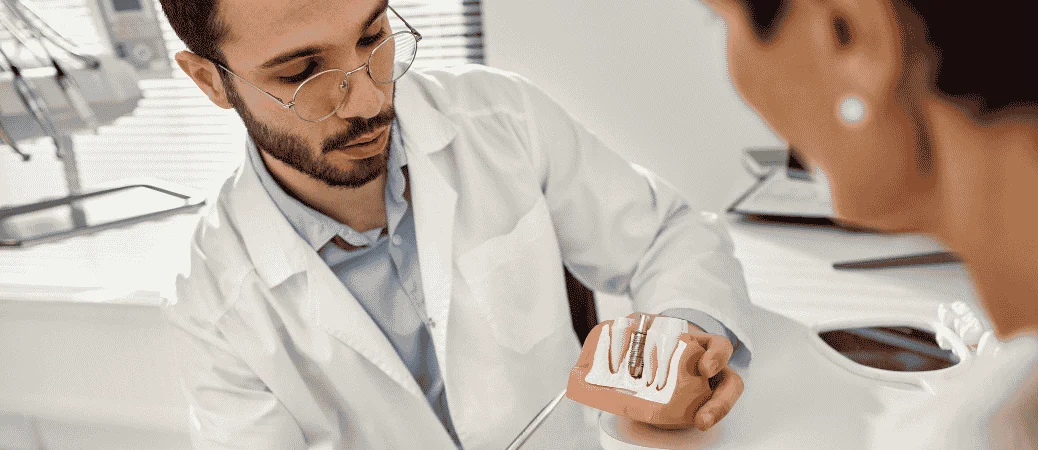
Implant-supported dentures, also called overdentures, look like traditional dentures but snap onto dental implants for stability.
Instead of relying on suction or adhesive, these dentures attach to implants placed in your jawbone. This prevents them from slipping when you eat or talk.
You typically need between two to six implants per arch to support an overdenture. The denture clicks into place on the implants but remains removable for cleaning.
These implant-retained dentures offer a middle ground between traditional dentures and permanent implants. They cost less than full implant bridges but provide much better stability than conventional dentures.
You get improved chewing ability and don’t need to worry about your dentures shifting during meals or conversations.
Dental Bridges and Implant-Supported Bridges
A dental bridge replaces one or two missing teeth by using the teeth on either side as anchors. Your dentist places crowns on these adjacent teeth and attaches a replacement tooth (called a pontic) in the middle.
The entire structure is cemented permanently in place.
Traditional bridges work well when you have healthy teeth on both sides of the gap. However, they require reshaping your healthy teeth to fit the crowns.
Implant-supported bridges offer a better solution because they don’t rely on your natural teeth. Instead, implants hold the bridge in place.
You can replace multiple missing teeth without affecting healthy teeth around the gap.
Bridges give you a natural appearance and stay fixed in your mouth. You cannot remove them like dentures. You need to brush and floss carefully around bridges to prevent decay on the supporting teeth.
Choosing the Right Tooth Replacement Option
Your best choice depends on how many teeth you need to replace, your jawbone health, and your budget.
Dental implants provide the most durable and natural-feeling results, but they require sufficient bone density and a larger investment.
Consider partial dentures if you need an affordable option to replace missing teeth without surgery. These removable appliances clip onto your remaining teeth and cost less than implants or bridges.
If you want stability without full implants, overdentures give you a secure fit at a moderate price point. Traditional bridges work well for replacing one or two teeth when you have healthy teeth on both sides.
Talk with your dentist about your specific situation. They can evaluate your bone health, remaining teeth, and budget to recommend the most suitable option.
Many dental offices offer payment plans to make alternatives to dentures more accessible.
Frequently Asked Questions
Many people struggle with traditional dentures due to gag reflexes, bone loss, or poor fit, while modern alternatives like implants and flexible materials offer better comfort and stability for different budgets and needs.
What are the most common reasons some people can’t wear traditional dentures comfortably?
A heightened gag reflex is one of the main reasons people can’t tolerate upper dentures. Traditional upper dentures cover the roof of your mouth, which triggers constant gagging in some people even after multiple adjustments.
Severe bone loss makes it hard for dentures to fit properly. When you lose teeth, your jawbone starts to shrink over time. This creates an uneven surface that prevents dentures from staying in place securely.
Dry mouth from medications or health conditions reduces the suction that holds dentures in place. Without enough saliva, your dentures slip and slide, causing sore spots on your gums.
Chronic pain or sensitivity in your mouth can also make wearing dentures unbearable.
What are the best alternatives to dentures for seniors who struggle with fit or soreness?
Dental implants are the most effective alternative because they function just like natural teeth. They consist of titanium posts that are surgically placed into your jawbone, and they don’t require covering the roof of your mouth.
However, they’re not suitable if you have advanced bone loss.
Implant-supported overdentures offer a middle ground between traditional dentures and full implants. These snap onto dental implants for stability but can still be removed for cleaning.
They prevent the slipping and discomfort that comes with regular dentures.
Dental bridges work well if you’re only missing one or two teeth in a row. A bridge uses crowns on the teeth next to the gap to hold a replacement tooth in place.
They’re permanently cemented and don’t come out like dentures do.
How do flexible dentures compare to conventional dentures for comfort and stability?
Flexible dentures are made from thin, bendable plastic materials instead of rigid acrylic. They adapt to the shape of your mouth better than traditional dentures, which reduces pressure points and sore spots.
The clasps on flexible dentures are made from the same soft material as the base. This makes them less noticeable and more comfortable than the metal clasps on conventional partial dentures.
They also don’t require as much adjustment time.
However, flexible dentures may not be as durable as conventional ones. The soft material can wear down faster with heavy chewing. They’re often better suited for partial dentures rather than full dentures because they need some natural teeth for support.
What are the newest types of dentures available today, and who are they best for?
Digital dentures use 3D printing and computer design to create a more precise fit. Your dentist scans your mouth digitally, and the dentures are milled from a solid block of material.
This eliminates many of the fit issues that come from traditional impression methods.
Implant-retained overdentures represent a major advancement for people who can’t tolerate traditional dentures.
They snap onto as few as two implants, giving you stability without the high cost of replacing every tooth with individual implants.
They’re best for people with some bone loss who still want better security than traditional dentures offer.
Same-day dentures let you leave the dentist’s office with teeth immediately after extractions. While they require adjustments as your gums heal, they prevent you from going without teeth during the healing period.
They work well for people who need all their remaining teeth removed.
What are the different denture materials, and how do they affect comfort, durability, and cost?
Acrylic resin is the most common material for traditional dentures. It’s affordable and easy to adjust, but it can feel bulky in your mouth. The rigid plastic doesn’t flex, which can create pressure points on your gums.
Flexible nylon-based materials bend and move with your mouth. They’re lighter and thinner than acrylic, making them more comfortable for many people.
However, they typically cost more and can’t be adjusted as easily if your gums change shape.
Porcelain teeth look the most natural and resist staining better than plastic teeth. They’re more expensive and can click against your remaining natural teeth if you have a partial denture.
Metal frameworks add strength to partial dentures but increase the cost and can sometimes show when you smile.
What does “monkey mouth” mean with dentures, and how can it be prevented?
Monkey mouth describes the bulging or protruding appearance your lips get when dentures push your mouth forward.
This happens when dentures are too thick, have too much material in the front, or are positioned incorrectly. Your face looks swollen and your profile changes noticeably.
Proper denture design prevents this problem by positioning the teeth in the right spot. Your dentist should take careful measurements of how your jaw closes and where your natural teeth were located.
The dentures need to sit back far enough that they don’t push your lips out.
If you already have monkey mouth from your current dentures, you’ll need new ones made with correct positioning. Sometimes minor adjustments can help, but usually the dentures need to be remade.
Working with an experienced dentist or prosthodontist reduces the risk of this problem happening in the first place.