

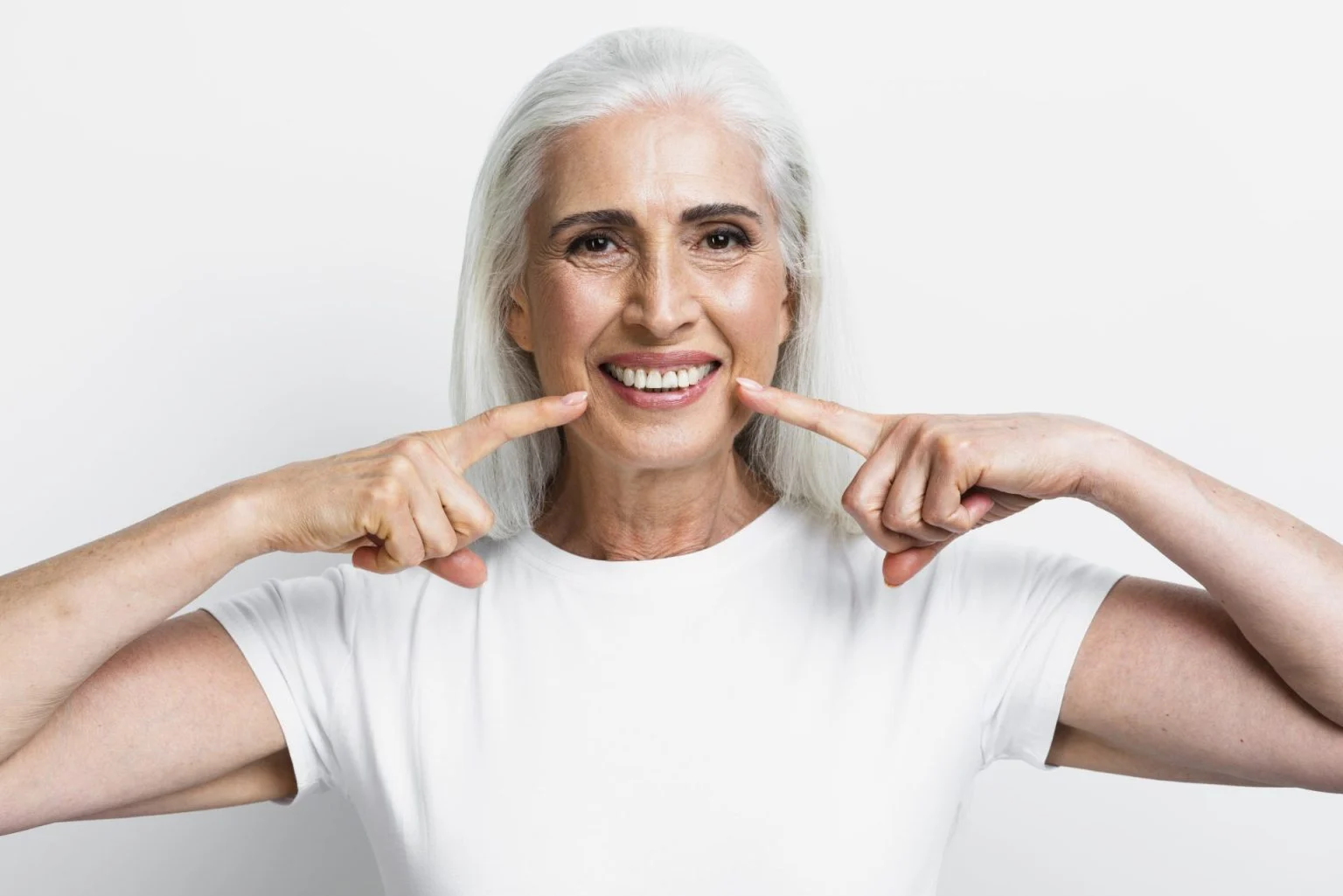
Missing teeth can make simple activities like eating, speaking, and smiling feel difficult. The loss can take an emotional toll, affecting confidence and quality of life. If you’re considering dentures, you might wonder: What kind of dentures do I need? Understanding the differences between partial dentures vs. full dentures can help you choose the right solution for your needs.
At My Harmony Smiles, we know that dentures should do more than replace teeth—they should restore confidence and allow you to enjoy life without discomfort. Dr. Bibek Nakarmi, BDS, DDS, MBA, FICOI, FAGD, and Dr. Alena Kvashenka, DDS, provide expert care to help patients regain their smiles with comfortable, natural-looking dentures.
How Tooth Loss Affects Everyday Life
Losing teeth does more than change your appearance—it can create real challenges in daily activities. Many patients struggle with:
- Difficulty chewing: Hard or chewy foods become frustrating or painful.
- Speech changes: Missing teeth can affect pronunciation and clarity.
- Lower confidence: Smiling, laughing, and socializing can feel uncomfortable.
- Bone loss: Over time, missing teeth can cause jawbone deterioration, affecting facial structure.
Untreated tooth loss can also lead to bone loss in the jaw, making facial features appear sunken over time. Choosing the right denture option can help restore both function and aesthetics.
What Is a Partial Denture?
A partial denture is a removable dental appliance designed to replace one or more missing teeth while preserving natural teeth. It consists of a gum-colored base with artificial teeth attached, secured with clasps or precision attachments that connect to existing teeth.
When Are Partial Dentures a Good Choice?
- You still have healthy teeth that you want to keep.
- You need an affordable, removable solution for missing teeth.
- You want to prevent remaining teeth from shifting into empty spaces.
- You prefer a non-surgical option for tooth replacement.
Partial dentures help maintain the shape of the jaw and restore chewing ability while keeping as many natural teeth as possible. They also provide a practical solution for maintaining the overall balance of your bite, preventing excessive wear on remaining teeth.
Understanding Full Dentures
Full dentures are removable prosthetics designed to replace an entire arch of missing teeth. They consist of a gum-colored acrylic base that supports a complete set of artificial teeth, custom-made to fit your mouth for a natural appearance and comfortable function.
When Are Full Dentures a Good Choice?
- You have lost all or most of your teeth in the upper or lower arch.
- You want a removable, non-surgical solution for total tooth replacement.
- You need an option that restores chewing, speech, and facial structure.
- You are looking for a cost-effective alternative to dental implants.
Full dentures restore essential functions like eating and speaking while maintaining facial structure. Modern advancements in denture design allow for a secure fit and a natural look, helping you regain confidence in your smile.
Partial Dentures vs Full Dentures: Which One Is Right for You?
Choosing between partial vs full dentures depends on your oral health and personal preferences. Here’s a quick comparison:
- Partial dentures are for those with healthy teeth who want to avoid extractions.
- Full dentures are for those who have lost all teeth in one or both arches.
- Implant-supported dentures offer a more stable and long-lasting alternative to traditional dentures.
No matter which denture option you choose, restoring missing teeth can significantly impact your quality of life.
The Process of Getting Dentures
At My Harmony Smiles, we make the denture process as smooth as possible. Here’s what to expect:
1. Personalized Consultation
Our team conducts a comprehensive evaluation to determine the best denture option for your needs.
2. Custom Denture Creation
If partial dentures are right for you, they will be designed to blend seamlessly with your natural teeth. Full dentures are customized to ensure a secure and natural fit.
3. Fitting and Adjustments
Once your dentures are ready, they will be adjusted for comfort. Some patients may need minor refinements to achieve the best fit.
4. Getting Used to Dentures
Wearing dentures for the first time requires an adjustment period, but we provide guidance on eating, speaking, and caring for them.
5. Long-Term Denture Care
Regular checkups help ensure dentures continue to fit well. Proper cleaning and care will also extend their lifespan.
Our Commitment to Your Smile
At My Harmony Smiles, we create dentures that look and feel as natural as possible. Dr. Bibek Nakarmi has over 20 years of experience in implant and restorative dentistry, specializing in high-quality, functional solutions. Dr. Alena Kvashenka specializes in prosthetic and restorative dentistry, ensuring precision, comfort, and durability in every custom denture.
We understand that getting dentures is a big decision, and we are here to provide expert care and guidance every step of the way.
Finding the Right Solution for Your Smile
If you’re still wondering, “What kind of dentures do I need?” the answer depends on your dental health and personal goals. If you still have healthy teeth, partial dentures may be the best choice to replace missing teeth while preserving what remains. If all teeth are missing, full dentures can restore your entire smile. For those seeking extra stability, implant-supported dentures provide a more secure, long-lasting solution.
Regardless of your choice, My Harmony Smiles is committed to providing a comfortable, well-fitting option tailored to your needs. If you are ready to regain a confident smile, contact us today to schedule a consultation.