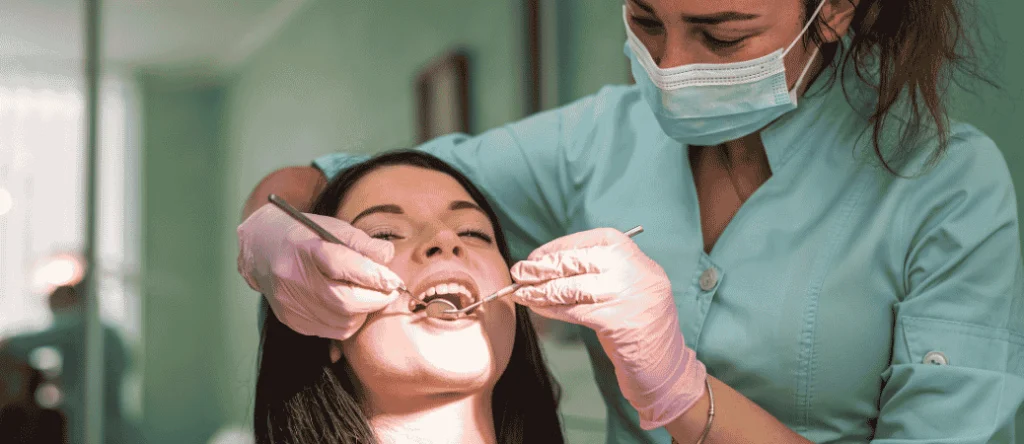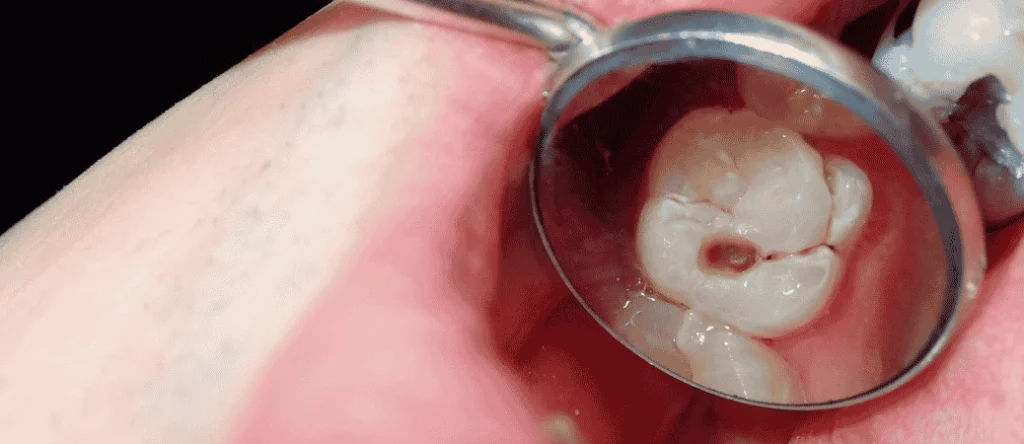


Jaw pain, persistent headaches, and that constant tension in your face can make everyday activities like eating and talking uncomfortable. If you experience these issues, you might be dealing with jaw muscle overactivity, often related to TMJ disorders.
Many people find themselves searching for relief from teeth grinding and jaw clenching that disrupts their daily lives.
Botox works for TMJ by blocking nerve signals that cause overactive jaw muscles to contract, helping them relax and reducing pain, tension, and clenching.
When injected into muscles like the masseter and temporalis, Botox reduces the intensity of involuntary muscle contractions without eliminating your normal jaw function. You can still chew, speak, and smile as usual.
While Botox is not FDA-approved for TMJ treatment, many people have found relief from jaw muscle pain, facial tension, and the effects of teeth grinding.
Understanding how this treatment works can help you decide if it’s the right option for managing your jaw muscle overactivity.
Key Takeaways
- Botox blocks nerve signals to jaw muscles, reducing overactivity that causes pain and tension
- The treatment typically lasts three to four months and works best when combined with other therapies
- Side effects can include injection site pain, headaches, and rare cases of unwanted facial changes
Understanding TMJ Disorders and Jaw Muscle Overactivity
TMJ disorder affects the joint connecting your jaw to your skull, often leading to muscle overactivity that causes pain and tension throughout your face and neck.
The condition stems from various factors, including teeth grinding, stress, and dental misalignment.
What Is the Temporomandibular Joint and TMD?
The temporomandibular joint connects your lower jaw to the temporal bone of your skull, right in front of each ear. This joint allows you to open and close your mouth, chew food, and speak.
When this joint or the muscles around it don’t work properly, you develop what doctors call temporomandibular joint disorder or TMD. Some people still use the term TMJ disorder, though TMJ actually refers to the joint itself rather than the condition.
Your temporomandibular joint is one of the most complex joints in your body. It moves in multiple directions and works constantly throughout the day. Problems with facial anatomy or how the joint functions can lead to widespread discomfort.
The muscles around your jaw include the masseter and temporalis muscles. These powerful muscles control chewing and jaw movement. When they become overactive or tense, they contribute to many TMD symptoms.
Common Causes of Jaw Muscle Overactivity
Jaw clenching and bruxism are two main causes of muscle overactivity in your jaw. Bruxism means you grind or clench your teeth, often while sleeping without realizing it.
Stress often triggers jaw clenching during the day or night. Your jaw muscles stay contracted for long periods, leading to muscle hypertrophy where the muscles actually grow larger from overuse.
Dental misalignment can force your jaw muscles to work harder than they should. When your teeth don’t fit together properly, your muscles compensate by staying tense.
Other causes include:
- Injury or trauma to the jaw
- Arthritis in the temporomandibular joint
- Poor posture that strains neck and jaw muscles
- Chronic stress and anxiety
Recognizing TMJ Symptoms and Related Issues

Jaw pain is the most common symptom of TMD. You might feel this pain near your ear, in your cheek, or throughout your jaw area.
Headaches and jaw tension often occur together with TMD. Tension headaches that start near your temples or behind your eyes may actually come from overactive jaw muscles.
Difficulty chewing or a tired feeling in your jaw signals muscle overactivity. Your jaw might feel fatigued after eating or talking for extended periods.
Facial pain and soreness can spread beyond your jaw to your cheeks and neck. Some people also experience ear pain or a feeling of fullness in their ears, even though the problem stems from their jaw muscles.
You might notice clicking or popping sounds when you open your mouth. Your jaw could even lock in an open or closed position temporarily.
Botox’s Mechanism for Jaw Relaxation
Botulinum toxin type A works by blocking the nerve signals that cause your jaw muscles to contract excessively.
This process specifically targets the masseter and temporalis muscles while allowing you to maintain normal jaw function for daily activities.
How Botulinum Toxin Type A Works in the Jaw
When you receive Botox injections, the botulinum toxin acts at the point where your nerves meet muscle fibers. The toxin prevents the release of acetylcholine, a chemical messenger that tells your muscles to contract.
Botox blocks nerve signals that cause muscle contractions in your jaw area. Without these signals, your overactive muscles can’t squeeze as tightly as before. This creates a controlled relaxation effect.
The process doesn’t happen instantly. You’ll typically notice the effects within a few days to two weeks after treatment.
The botulinum toxin type A breaks down naturally over time, which is why the effects are temporary and usually last three to six months.
Targeting Masseter and Temporalis Muscles
Your masseter muscle runs along the side of your jaw and helps you chew. The temporalis muscle spreads across your temple area and also assists with jaw movement.
These are the primary injection sites for treating jaw muscle overactivity.
Key injection locations include:
- Masseter muscle (lower jaw area)
- Temporalis muscle (temple region)
- Additional points based on your specific needs
Injecting Botox into overactive jaw muscles reduces the tension that builds up from clenching or grinding. Your provider will identify the exact spots where your muscles are working too hard.
They’ll inject small amounts of the toxin into multiple points across these muscles.
The dosage and number of injection sites depend on your muscle size and the severity of your overactivity. People with muscle hypertrophy (enlarged jaw muscles from excessive use) may need more targeted treatment.
Effect on Muscle Activity and Jaw Function
The treatment reduces excessive muscle contractions without eliminating your ability to use your jaw normally. You can still chew, speak, and smile after receiving injections.
What changes is the intensity of involuntary contractions. Botox reduces involuntary muscle tension while preserving the muscle activity you need for everyday tasks.
Your jaw muscles simply can’t clench or grind with the same force as before.
Some people experience temporary muscle weakness right after treatment, but this typically improves as you adjust. Many patients notice reduced jaw fatigue because their muscles aren’t constantly overworking.
The treatment can also improve jaw mobility over time. When your muscles aren’t locked in constant tension, your jaw joint can move more freely through its natural range of motion.
What to Expect During TMJ Botox Treatment
Getting Botox for TMJ involves a professional evaluation to confirm you’re a good candidate, followed by a quick injection procedure and a straightforward recovery period. Most patients experience minimal discomfort and can return to normal activities quickly.
Examining If Botox Is Right for You
Not everyone with jaw pain qualifies for TMJ Botox treatment. Your healthcare provider will evaluate your symptoms and medical history before recommending this option.
Good candidates for Botox TMJ treatment typically have chronic jaw muscle tension that hasn’t responded to other therapies. You might be considered if you experience regular teeth grinding, persistent jaw clenching, or limited jaw function due to muscle tightness.
Your provider will ask about your pain levels and how TMJ affects your daily life. They’ll examine your jaw muscles to identify the correct injection sites.
You may not be a candidate if you:
- Are pregnant or breastfeeding
- Have certain neurological conditions
- Are allergic to botulinum toxin
- Take specific medications that interact with Botox
Your doctor will also discuss whether you’ll continue other TMJ treatments alongside Botox injections. Most patients use Botox as part of a broader treatment plan rather than as a standalone solution.
The Minimally Invasive Injection Procedure
The Botox procedure for TMJ is quick, typically taking only 10 to 30 minutes in your provider’s office. You won’t need anesthesia for this minimally invasive procedure.
Your oral surgeon, ENT specialist, or experienced plastic surgeon will inject small amounts of Botox directly into your overactive jaw muscles.
The main injection sites include the masseter muscles on the sides of your jaw and sometimes the temporalis muscles near your temples.
You’ll receive multiple small injections at each site. Most patients describe the sensation as a brief pinch or pressure. Some providers apply ice or a numbing cream beforehand to reduce any discomfort.
The number of injections and total Botox units used depends on your muscle size and pain severity. Stronger or larger jaw muscles may require more product.
You can drive yourself home and resume most normal activities right away.
Aftercare and Expected Recovery Timeline
Recovery after TMJ Botox is usually straightforward with minimal restrictions. You might notice some injection site tenderness, slight bruising, or swelling that fades within a few days.
Follow these aftercare guidelines for the first 24 hours:
- Avoid rubbing or massaging the injection sites
- Stay upright and don’t lie down for 4 hours
- Skip intense exercise or heavy lifting
- Avoid alcohol consumption
The effects of Botox don’t appear immediately. You might start feeling relief anywhere from one day to two weeks after your injections. Most people find that Botox for TMJ lasts about three to four months.
Some patients experience temporary muscle weakness or mild fatigue as the Botox takes effect. These side effects are normal and indicate the treatment is working to relax your jaw muscles.
Your jaw function should improve gradually as muscle tension decreases. Schedule follow-up appointments to monitor your progress and determine when you might need additional injections.
Benefits and Potential Side Effects
Botox injections can provide relief from jaw-related symptoms while also carrying some risks you should understand. The treatment affects both function and appearance in ways that vary from person to person.
Pain Relief and Improved Jaw Mobility
Botox reduces jaw pain by blocking nerve signals that cause your muscles to contract excessively. This helps break the chronic pain cycle you might experience from constant muscle tension.
Many people notice relief from headaches and tension headaches linked to jaw clenching. The injections can also ease facial soreness that builds up from overactive jaw muscles.
You might see improvement in how far you can open your mouth. When your masseter muscles relax, the stiffness and fatigue that limit jaw movement often decrease.
Effects typically appear within one to two weeks and last about three to four months.
Possible Risks and Considerations
Common side effects include pain, bruising, swelling, and redness where you receive the injection. You might also experience headaches, neck pain, or flu-like symptoms shortly after treatment.
More serious risks involve unwanted facial changes. These can include drooping eyelids, an uneven smile, or temporary muscle weakness in areas beyond your jaw.
Some people develop facial asymmetry if the injections aren’t placed precisely.
Other potential effects include:
- Infection or allergic reactions
- Nausea or indigestion
- Difficulty chewing or speaking temporarily
You should only get injections from a licensed healthcare provider in a medical setting. Counterfeit products or incorrect administration can lead to dangerous complications.
Facial Aesthetics: Jaw Slimming and Symmetry
Botox can reduce the size of enlarged masseter muscles through a process that addresses muscle hypertrophy. When these muscles shrink from reduced activity, your jawline may appear slimmer and less square.
Facial aesthetic changes happen gradually over several months as the muscle tissue decreases in size. Some people seek this effect specifically to soften a square jaw appearance.
The treatment can also improve facial symmetry if one side of your jaw is more developed than the other. However, results depend heavily on your provider’s skill and experience with jaw injections.
Comparing Botox With Other TMJ Treatment Options
Botox works well for some people with TMJ disorders, but it’s not the only choice available.
Night guards protect your teeth from grinding damage, physical therapy helps restore natural jaw movement, and surgery may be necessary when other treatments don’t work.
Night Guards and Occlusal Splints
A night guard or occlusal splint is a custom-fitted device you wear over your teeth while you sleep. It creates a barrier between your upper and lower teeth to prevent damage from teeth grinding and bruxism.
These devices don’t stop the grinding behavior itself. They protect your tooth enamel from wearing down and can reduce some jaw muscle strain.
Many people wear them every night for months or years to manage their symptoms.
Night guards cost less than Botox injections upfront, but you’ll need to replace them every few years as they wear out. Some people find them uncomfortable or have trouble sleeping with something in their mouth.
They work best when dental misalignment contributes to your jaw problems.
Unlike Botox, which reduces muscle activity directly, splints work by changing how your teeth come together. Your dentist will need to adjust the fit over time to make sure it continues working properly.
Physical Therapy and Lifestyle Adjustments
Physical therapy for TMJ focuses on exercises that improve jaw mobility and restore normal jaw function. A therapist teaches you stretches and movements that reduce muscle tension and help your jaw move more smoothly.
You might also learn massage techniques for the muscles around your jaw. These hands-on approaches can provide better long-term results than Botox for many people because they address the root cause of muscle dysfunction.
Lifestyle changes include eating softer foods, avoiding gum chewing, and practicing stress management. Heat or cold packs applied to your jaw can ease pain during flare-ups.
You may need to modify how you sleep or work at a computer to reduce strain on your jaw muscles.
Physical therapy takes more time and effort than getting Botox injections. You need to practice exercises regularly and attend multiple appointments. But these methods build strength and coordination that last beyond the treatment period.
When to Consider Surgery or Alternative Treatments
Surgery becomes an option when conservative TMJ treatment options don’t provide relief after several months. Doctors may recommend procedures that repair damaged joint structures or reposition the jaw.
Most specialists suggest trying medications, physical therapy, and other non-surgical approaches before considering surgery. Surgical risks include infection, nerve damage, and the possibility that symptoms may not improve.
Alternative treatments include:
- Pain relievers and anti-inflammatory medications
- Muscle relaxants for severe spasms
- Trigger point injections with other substances
- Ultrasound therapy
- Acupuncture
Your specific symptoms and the underlying cause of your TMJ disorder determine which tmj treatment makes the most sense.
Some people benefit from combining approaches, like using a night guard along with physical therapy exercises. Talk with your healthcare provider about which options match your needs and budget.
Who Should Consider Botox for Jaw Muscle Overactivity?
Botox treatment works best for adults experiencing chronic jaw muscle tension who haven’t found relief through traditional methods. Certain health conditions and circumstances require careful evaluation before proceeding with injections.
Identifying Ideal Candidates
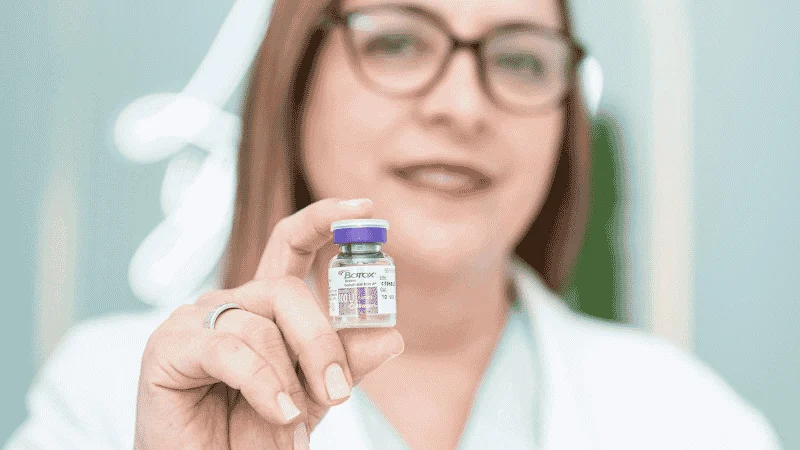
Good candidates for Botox TMJ treatment include adults who experience persistent jaw pain despite trying other treatments.
You might benefit from Botox if you suffer from chronic teeth grinding or jaw clenching that causes fatigue in your facial muscles.
People with severe TMJ symptoms often find relief when conservative approaches like physical therapy or dental splints haven’t worked. If you wake up with jaw tension or facial pain regularly, Botox could help reduce these issues.
You should also consider this treatment if jaw muscle overactivity limits your daily activities. Difficulty chewing, trouble opening your mouth fully, or persistent headaches from jaw clenching all indicate that Botox might be appropriate for you.
Strong or enlarged jaw muscles (hypertrophic masseter muscles) respond particularly well to treatment. Your provider will assess whether your symptoms stem from muscle overactivity rather than other jaw-related problems.
Precautions and When to Seek Expert Advice
You need to consult a licensed healthcare provider in a medical setting before getting any injections. Only oral surgeons, ENT specialists, or experienced plastic surgeons should administer Botox for jaw muscle conditions.
Avoid Botox if you’re pregnant, breastfeeding, or have certain neurological conditions. You should tell your provider about all medications and supplements you take, as some can increase bruising or interact with the treatment.
Important warning signs that require immediate medical attention include difficulty swallowing, breathing problems, or spreading muscle weakness after injection. These rare side effects need prompt evaluation.
Never seek treatment from unlicensed providers or non-medical settings, regardless of cost savings. Counterfeit products and improper injection techniques can cause serious complications, including botulism.
Frequently Asked Questions
Botox works by blocking nerve signals to jaw muscles, which reduces tension from clenching and grinding. Most people notice results within a few days to two weeks, and effects usually last three to four months.
How does Botox calm overactive jaw muscles?
Botox blocks nerve signals that tell your jaw muscles to contract. When injected into muscles like the masseter and temporalis, it stops these muscles from working too hard.
The toxin prevents the nerves from sending signals that cause forceful contractions. This means your jaw muscles can’t tense up as much as they normally would.
The effect is temporary, which is why you need repeat treatments. Your muscles gradually regain their full ability to contract over time.
What jaw issues can Botox help with, like clenching or grinding?
Botox can help if you grind your teeth or clench your jaw throughout the day or night. It reduces the force your jaw muscles can produce when they contract.
TMJ pain from muscle overactivity often improves with Botox treatment. You might also notice less jaw tension and fewer headaches caused by tight jaw muscles.
Some people find it easier to open their mouth wider after treatment. The reduced muscle tension takes pressure off your temporomandibular joint.
How long does it take to notice results after a jaw Botox treatment?
You might feel some improvement within a day or two of your injections. However, it usually takes up to two weeks to feel the full effects.
The timeline varies from person to person based on how strong your jaw muscles are. People with very strong or enlarged jaw muscles might take longer to see results.
Your provider can tell you what to expect based on your specific situation. They’ll consider factors like how severe your clenching or grinding is.
How long do the effects typically last before a touch-up is needed?
Most people find Botox for TMJ pain lasts three to four months. After that, your jaw muscles start to regain their full strength and activity.
You might need more frequent treatments if your jaw muscles are very strong. Severe pain or heavy grinding can also mean you need touch-ups sooner.
Your provider will help you figure out the right schedule for your needs. Many people settle into a regular treatment pattern after their first few sessions.
Will jaw Botox change my smile, chewing strength, or facial shape?
Unwanted facial changes like drooping eyelids or an uneven smile are possible side effects. These happen when Botox affects muscles it wasn’t meant to target.
Your chewing strength will likely decrease since that’s part of how Botox works. The goal is to reduce the force your jaw muscles can produce.
You might notice your face looks slimmer if you have enlarged jaw muscles. This happens because the masseter muscles shrink when they’re not working as hard.
What are the most common side effects or risks of jaw Botox injections?
Pain, bruising, swelling, and redness at the injection sites are the most common issues. These side effects are usually mild and go away on their own.
Some people get headaches, neck pain, or flu-like symptoms after treatment. You might also feel some muscle weakness in your jaw.
Serious complications like botulism are extremely rare when a licensed healthcare provider gives the injections. Always make sure you get treated in a proper medical setting by someone qualified to perform these injections.