

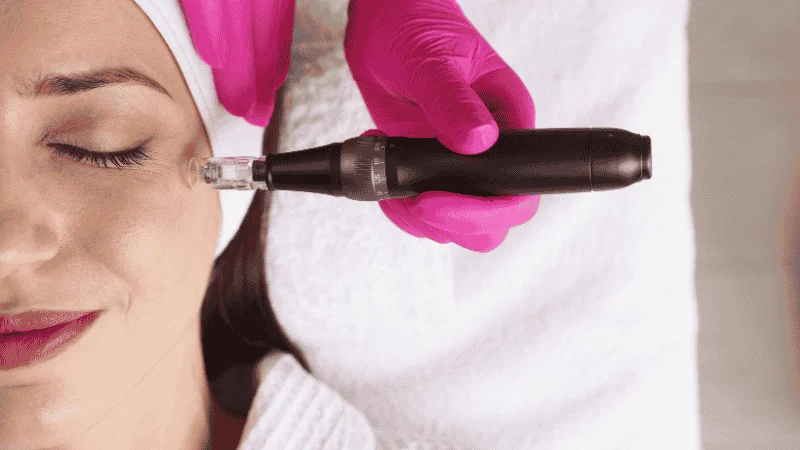
You want smoother skin and faster healing, but you may not know whether traditional microneedling or PRF is the better choice.
Both treatments boost collagen and support skin rejuvenation. The key difference shows up in how your skin heals and how quickly you see changes.
PRF microneedling often speeds up healing and may improve results by using growth factors from your own blood, while traditional microneedling relies on your body’s natural repair process alone.
That difference can affect redness, downtime, and how your skin responds over time.
If you want a regenerative treatment that may reduce recovery time and support deeper repair, PRF might stand out. If you prefer a simpler option with proven results, traditional microneedling may fit your goals.
Understanding how each approach works helps you choose what matches your skin and your schedule.
Key Takeaways
- Both treatments stimulate collagen to improve skin tone and texture.
- PRF may support faster healing by adding your body’s own growth factors.
- Your skin goals, budget, and downtime needs guide the right choice.
Learn how PRF vs microneedling healing time differs and which treatment may fit your skin goals.
How Microneedling and PRF Work on the Skin
Microneedling creates tiny injuries that trigger repair. PRF builds on that response by adding your own healing cells and growth factors to guide deeper collagen and elastin production.
Microneedling and Collagen Induction
Microneedling, also called collagen induction therapy, uses fine needles to create controlled micro-injuries in your skin. These tiny punctures form micro-channels that signal your body to start repair.
Your skin responds by increasing collagen production and elastin production. Collagen adds firmness, while elastin helps your skin stretch and snap back.
The process happens in stages:
- Inflammation starts right away
- New collagen fibers form over weeks
- Skin texture and tone improve gradually
You will not see full results overnight. Your body needs time to rebuild tissue under the surface.
Standard microneedling relies only on your natural healing response. It works well for mild texture issues, fine lines, and early signs of aging.
The results depend on how strong your collagen response is and how consistently you complete treatments.
What Sets PRF Apart from Platelet-Rich Plasma
Platelet-rich fibrin (PRF) and platelet-rich plasma (PRP) both come from your blood. However, they are processed in different ways.
PRP is spun at higher speeds. It releases growth factors quickly after application, which can lead to faster short-term changes in glow and tone.
PRF is spun more slowly and without anticoagulants. This method preserves more white blood cells and forms a natural fibrin structure.
That structural difference changes how your skin heals. Instead of releasing growth factors all at once, PRF delivers them slowly over time. This steady release can support longer collagen stimulation compared to traditional PRP.
The Role of Growth Factors and the Fibrin Matrix
Growth factors act as messengers in your healing process. After microneedling creates micro-channels, these signals tell your skin cells to repair and rebuild.
Important growth factors include:
- Platelet-derived growth factor (PDGF)
- Transforming growth factors
- Vascular growth factors
PDGF plays a direct role in stimulating fibroblasts, the cells that produce collagen and elastin.
PRF contains a fibrin matrix, which works like a scaffold. This matrix holds platelets and growth factors in place, allowing them to release gradually into the treated area.
Because of this structure, PRF does more than just boost collagen induction. It supports sustained tissue remodeling, especially in areas with thinning skin or acne scars. Your skin receives signals for a longer period, which may lead to more consistent regeneration compared to microneedling alone.
Healing Dynamics and Recovery
Your skin heals in different ways after traditional microneedling and PRF microneedling. The main differences show up in how fast you recover, how your tissue regenerates, and how your skin quality improves over time.
Accelerated Healing with PRF
Traditional microneedling creates small, controlled injuries in your skin. Your body then sends blood flow and repair cells to start collagen production.
With PRF microneedling, your provider draws a small amount of your blood and processes it to collect platelet-rich fibrin. This layer contains platelets, white blood cells, and growth factors.
Some protocols also preserve stem cells, which support deeper tissue repair.
When applied during treatment, PRF releases healing signals slowly over time. This steady release can support accelerated healing compared to microneedling alone.
You may notice smoother skin texture and improved skin tone sooner, especially if your skin usually heals slowly.
Downtime and Side Effects
After traditional microneedling, you can expect redness, mild swelling, and tightness. These effects often last about 2–3 days.
With PRF microneedling, redness still happens. However, many people see reduced inflammation and a shorter recovery window. The added growth factors support your regenerative response during the early healing phase.
Common side effects for both treatments include:
- Mild pinpoint bleeding during the session
- Temporary dryness or flaking
- Sensitivity to sun exposure
Because PRF uses your own blood, the risk of allergic reaction stays low. You still need gentle skincare and sun protection for several days.
Regenerative Responses and Skin Quality
Both treatments trigger collagen production, but they do it in different ways.
Traditional microneedling relies fully on your body’s natural repair system. It improves skin texture, softens fine lines, and can support mild skin tightening over several sessions.
PRF microneedling enhances that process. The added platelets, white blood cells, and growth factors support stronger tissue regeneration. This can improve:
- Skin quality and firmness
- Improved skin tone
- Acne scars and uneven texture
Some providers describe PRF as a natural booster because it works with your own biology. You may see better hydration and more even texture as collagen and elastin rebuild.
Treatment Experience and Personalization
Your experience can differ based on the type of microneedling treatment you choose and the add-ons you select. Comfort, recovery time, and results often depend on how your provider personalizes the session to match your skin goals.
What Happens During a Microneedling Session
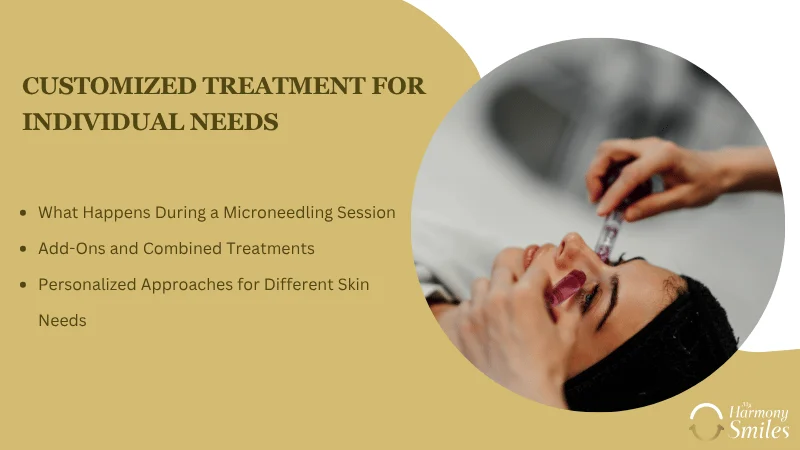
You start with a skin cleanse to remove oil and debris. Your provider then applies a topical numbing cream to reduce discomfort during the microneedling session.
After about 20–30 minutes, the provider uses a handheld device with fine needles to create tiny, controlled punctures in your skin. These micro-injuries trigger collagen and elastin production.
If you choose microneedling with PRF or microneedling with PRP, your provider draws a small amount of your blood first.
They process it and apply it to your skin during the treatment so it can absorb through the micro-channels.
A typical session lasts 30 to 60 minutes. You may see redness that looks like a mild sunburn for 24 to 48 hours.
Add-Ons and Combined Treatments
You can enhance results by choosing a combined treatment approach. These add-ons change how your skin heals and how strong your results may be.
Common options include:
- Microneedling with PRP
- Microneedling with PRF
- RF microneedling (radiofrequency energy added to the needles)
- Growth factor serums or calming masks
Microneedling with PRF uses your own platelets and fibrin to support healing. Some clinics note that PRF can support longer-lasting skin renewal compared to basic microneedling.
RF microneedling adds heat energy to tighten skin. It may suit you if you want firmer texture along with collagen stimulation.
Personalized Approaches for Different Skin Needs
Your provider should adjust depth, speed, and technique based on your skin type and goals. A personalized treatment plan matters more than the device brand.
For example:
- Fine lines and dull skin: shallow depth with standard microneedling
- Acne scars: deeper passes or microneedling with PRF
- Early aging prevention: lighter sessions spaced 4–6 weeks apart
- Skin laxity: RF microneedling may help improve firmness
Younger patients often choose traditional microneedling for routine maintenance, while those with deeper scars or visible aging may prefer PRF-based treatments.
When your provider tailors the session to your skin, you improve comfort, healing time, and visible results.
Benefits and Suitability for Skin Concerns
Both options support collagen induction, but they differ in how strongly they drive healing and tissue repair. Your choice depends on how deep your concerns go and how much regeneration your skin needs.
Acne Scarring and Texture
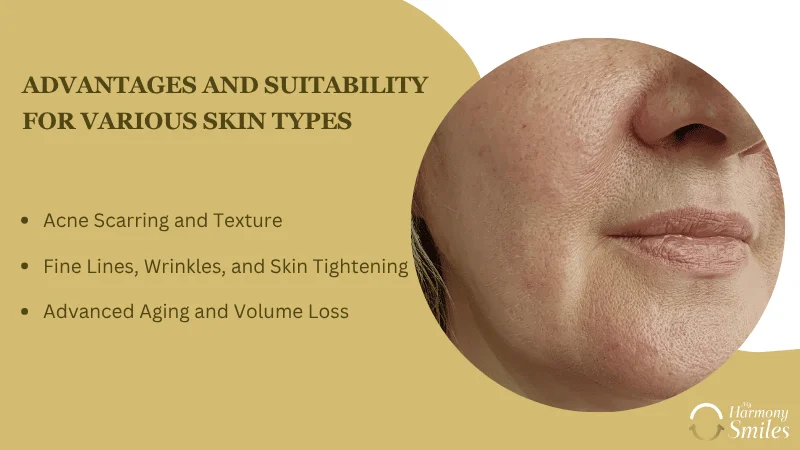
If you have mild to moderate acne scarring and uneven skin texture, traditional microneedling can help smooth the surface. The tiny channels trigger collagen production and encourage new skin growth.
Over time, this process softens shallow scars and refines rough areas. It also improves product absorption, which supports ongoing skin rejuvenation.
When scars are deeper or more stubborn, PRF and microneedling may offer stronger repair. PRF releases growth factors slowly, which can extend healing and improve tissue rebuilding.
If your scars create visible indentations, your provider may also suggest PRF injections placed under specific areas. This targets deeper damage and supports more complete regeneration.
Fine Lines, Wrinkles, and Skin Tightening
For early fine lines and wrinkles, traditional microneedling often works well. The controlled injury stimulates collagen and elastin, which gradually firm your skin.
You may notice smoother texture and mild skin tightening after a few sessions. Results build slowly as new collagen forms.
If you want faster or stronger improvement, PRF adds a regenerative boost. The growth factors in PRF support cell turnover and may extend the collagen response.
Many clinics note stronger changes in tone and radiance with this method.
This makes PRF a good fit if your wrinkles are more visible or if your skin has begun to thin with age.
Advanced Aging and Volume Loss
When you face deeper wrinkles, crepey skin, or mild volume loss, basic microneedling may not be enough. It improves surface texture, but it does not replace lost volume.
PRF works as a regenerative treatment that supports deeper repair. The fibrin matrix holds growth factors in place, which may help improve firmness over time.
Some providers combine microneedling with targeted PRF injections to address hollow areas and advanced aging signs.
If your goal is stronger skin tightening and longer-lasting rejuvenation, PRF usually fits better. If you prefer gradual improvement with lower cost and minimal add-ons, traditional microneedling can still offer steady progress.
Choosing the Right Option: Key Considerations
Your skin goals, budget, and comfort with blood-based treatments will guide your choice. You also need to think about healing time, long-term plans, and how strong of a regenerative response you want.
Who Benefits Most from Each Approach
You may prefer traditional microneedling if you want steady improvement with a simple process. It works well for fine lines, mild acne scars, uneven tone, and early signs of aging.
Many younger patients choose standard treatments for maintenance and prevention. It gives reliable collagen support without adding blood products.
You may lean toward PRF microneedling if you have deeper wrinkles, visible acne scars, or slower healing skin. PRF uses your own blood to create platelet-rich fibrin, which releases growth factors over time.
This added boost can help with stronger repair. If you want a more aggressive regenerative response in fewer sessions, PRF may suit you better.
Long-Term Results and Frequency
Both treatments require a series. Most providers suggest 3 to 6 sessions, spaced about 4 to 6 weeks apart.
With traditional microneedling, you often see gradual change. Texture improves first, then fine lines soften as collagen builds over several months.
PRF microneedling may produce visible changes sooner because growth factors stay active in the skin longer.
You still need maintenance. Many people repeat treatment once or twice a year, depending on age, sun exposure, and skin condition.
Safety and Natural Outcomes

Both options use controlled skin injury to trigger repair. When performed by a trained provider, microneedling has a strong safety record.
Traditional microneedling relies only on mechanical stimulation. PRF microneedling adds material made from your own blood, not synthetic fillers.
Because PRF comes from you, the risk of allergic reaction is low. It supports a natural healing pathway, similar in concept to platelet-rich plasma but processed differently to form fibrin.
You should discuss your medical history, medications, and skin type before starting. A personalized treatment plan ensures that the depth of needling, number of sessions, and use of PRF match your goals and comfort level.
Frequently Asked Questions
Healing time, redness, peeling, and return to daily life can differ between PRF and standard microneedling. The details below explain what you can expect in clear, practical terms.
How long does it usually take to heal after microneedling with PRF compared with standard microneedling?
With standard microneedling, most redness settles within 24 to 48 hours. Your skin may feel tight or slightly rough for three to five days.
PRF microneedling often follows a similar timeline. Many providers note that the added growth factors can support faster recovery.
In both cases, deeper treatments may extend visible healing to about five to seven days.
What does the first week of recovery typically look like for each treatment?
On day one, your skin usually looks pink or red, similar to a mild sunburn. You may also feel warmth and tightness.
By days two and three, redness fades. Light flaking or dryness can begin as your skin renews itself.
Between days four and seven, texture improves. With PRF, some people notice smoother skin a bit sooner, but both treatments follow a similar pattern.
Is redness and swelling usually less intense with PRF, and how quickly does it fade?
PRF may reduce inflammation because it uses your own platelets and growth factors. Many clinics report shorter periods of redness compared to standard microneedling.
For most people, redness after either option fades within 24 to 48 hours. Mild swelling, if it occurs, usually settles in the first two days.
Your skin type and treatment depth play a big role in how strong these effects feel.
When can I safely wear makeup or return to work after each option?
You can usually return to desk work the next day after either treatment. Some people prefer to wait 24 hours if redness is still visible.
Most providers advise waiting at least 24 hours before applying makeup. This allows the tiny channels in your skin to close.
If your job involves heat, sweat, or outdoor sun, you may need an extra day of caution.
Does PRF change the amount of peeling, dryness, or flaking during recovery?
Standard microneedling often causes mild peeling or dryness for several days. This is part of the normal renewal process.
PRF does not usually increase peeling. In some cases, you may notice slightly less dryness because the added plasma supports healing.
Peeling remains light for most people and rarely interferes with daily tasks.
How soon can I resume workouts, sun exposure, and active skincare after each treatment?
You should avoid heavy workouts for at least 24 to 48 hours after either option. Sweat and heat can increase irritation.
Limit direct sun exposure for several days. Always use a gentle sunscreen once your provider says it is safe.
Avoid strong products like retinoids or acids for about five to seven days. When your skin no longer feels sensitive, you can slowly return to your normal routine.