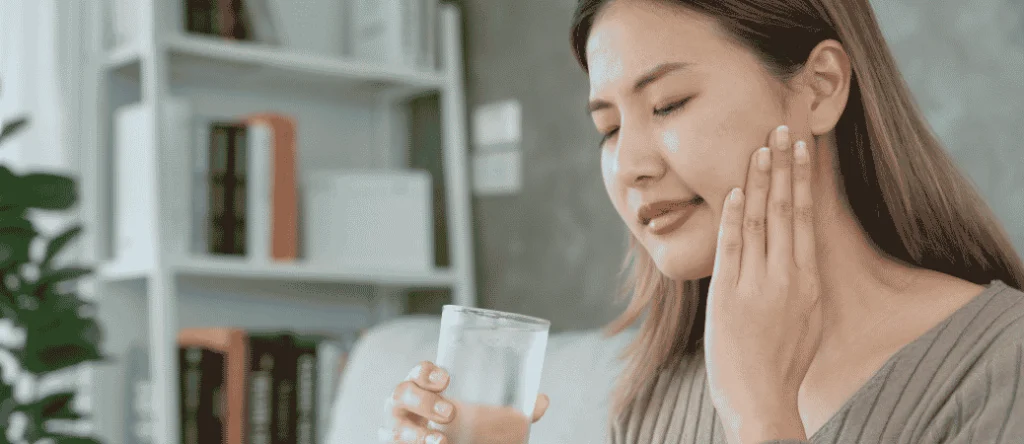


You might not realize it, but jaw clenching can silently damage your teeth, gums, and jaw joints over time.
Many people clench or grind their teeth without knowing they’re doing it, especially during sleep or stressful moments throughout the day.
If you have bruxism, the constant pressure from clenching can crack your teeth, wear down your enamel, damage fillings, and cause jaw pain that affects your daily life.
The good news is that once you recognize the signs of teeth grinding, you can take steps to protect your oral health.
Your jaw can exert up to 200 pounds of force when you clench, which is much more pressure than normal chewing creates. This force takes a serious toll on your teeth over weeks, months, and years.
Understanding how bruxism affects your teeth is the first step toward preventing long-term damage.
Whether you clench during the day or grind your teeth at night, there are practical solutions that can help you break the habit and save your smile.
Key Takeaways
- Jaw clenching and teeth grinding can crack teeth, wear down enamel, and damage dental work like fillings and crowns
- Most people don’t realize they’re clenching their jaw until they experience symptoms like tooth pain, headaches, or jaw soreness
- You can protect your teeth by managing stress, wearing a night guard, and seeking help from a dentist when needed
How Jaw Clenching Affects Dental Health
Jaw clenching puts constant pressure on your teeth and jaw structures, leading to worn enamel, damaged teeth, and stressed jaw joints.
These effects can develop slowly over time, making them easy to miss until significant damage occurs.

Enamel Wear and Erosion
When you clench your jaw, you apply hundreds of pounds of pressure to your teeth. This force gradually wears down your protective enamel layer.
Worn tooth enamel exposes the inner layers of your teeth, making them vulnerable to decay and damage.
The grinding motion strips away enamel faster than normal chewing. Your teeth may start to look flattened or shorter than they used to be.
You might also notice that your teeth feel rough or uneven when you run your tongue over them.
Once enamel wears away, it doesn’t grow back. The dentin layer underneath becomes exposed, which is softer and less protective than enamel. This makes your teeth weaker and more prone to cavities.
Cracked and Sensitive Teeth
The intense pressure from clenching can cause your teeth to crack, chip, or even break. Teeth grinding can make teeth flattened, fractured, chipped or loose.
These cracks often start small but can spread deeper into the tooth over time.
Common signs of cracked teeth include:
- Sharp pain when biting down
- Sensitivity to hot or cold foods
- Pain that comes and goes
- Visible lines or chips on teeth
Exposed dentin causes tooth sensitivity to temperature changes and pressure. You might feel sharp pain when drinking cold water or eating hot soup. Even breathing in cold air can trigger discomfort.
Effects on Gums and Jaw Joints
Clenching stresses more than just your teeth. The constant pressure affects the temporomandibular joints (TMJs), which connect your lower jaw to your skull. These joints can become inflamed and painful from repeated stress.
Jaw pain and TMJ problems often develop when bruxism goes untreated. Your jaw muscles may feel tired or tight. You might hear clicking or popping sounds when you open your mouth.
Some people experience locked jaws that won’t open or close properly.
The pressure can also push your teeth into your gums, causing gum recession and irritation. This recession exposes tooth roots, creating more sensitivity and increasing your risk of gum disease.
Short and Long-Term Consequences
Jaw clenching creates immediate discomfort and causes serious damage over time. The pressure from grinding your teeth affects multiple areas, from your head and neck muscles to the teeth themselves.
Headaches and Neck Tension
Tension-type headaches are one of the most common bruxism symptoms you’ll experience. These headaches typically start at your temples and can spread across your forehead.
The masseter muscle, which is the main muscle you use for chewing, becomes overworked when you clench your jaw. This muscle strain doesn’t stay isolated to your jaw area.
It spreads to your neck and shoulders, creating a chain of tension throughout your upper body.
You might wake up with what feels like an earache, even though there’s nothing wrong with your ears. This happens because the jaw pain radiates to nearby areas.
The constant muscle tension can make it hard to focus during the day and affects your quality of life.
Jaw Stiffness and Muscle Strain
Your jaw muscles get tired and tight from the constant clenching. You might notice that your jaw feels locked or won’t open and close all the way. Some people hear clicking or popping sounds when they move their jaw.
Temporomandibular joint problems develop when bruxism goes untreated. These are the joints on each side of your mouth that attach your lower jawbone to your skull.
When these joints get damaged, simple activities like eating or talking become painful.
Your masseter muscle may actually grow larger from all the extra work it’s doing. This creates a more square-looking jaw shape that some people notice in the mirror.
Restoration Failures and Tooth Loss
Clenching your jaw at night puts significant pressure on your tooth enamel, particularly if your teeth grind together in your sleep. Your teeth can become flattened, fractured, or chipped from the constant force.
The worn enamel exposes the dentin layer underneath, which makes your teeth sensitive to hot and cold foods. You might see your teeth getting shorter over time as the enamel wears away.
Dental work suffers the most damage:
- Crowns can crack or come loose
- Fillings may fall out
- Bridges can fail prematurely
Severe tooth damage from bruxism can lead to cracked teeth that need extraction. Once teeth are lost, you’ll need implants or dentures to replace them, which costs thousands of dollars.
Recognizing Signs and Triggers
Your body often sends clear signals when jaw clenching becomes a problem, and understanding what triggers this behavior can help you address it early.
Several factors ranging from daily stress to sleep conditions can contribute to teeth grinding and clenching.
Common Symptoms to Watch For
You might not realize you’re grinding your teeth until specific symptoms appear. Many people experience jaw pain or soreness when they wake up in the morning.
Your teeth may show visible signs of damage. Look for flattened, chipped, or cracked teeth. You might notice worn enamel that exposes the inner layers of your teeth, leading to increased sensitivity to hot and cold foods.
Physical symptoms include:
- Tight or tired jaw muscles
- Headaches that start at your temples
- Pain that feels like an earache but isn’t
- A locked jaw that won’t open or close completely
- Clicking or popping sounds when you move your jaw
Your sleep partner might hear loud grinding noises during the night. TMJ disorder can develop if bruxism goes untreated, causing problems with the joints that connect your lower jaw to your skull.
Role of Stress and Anxiety

Stress and anxiety are major triggers for jaw clenching during waking hours. When you feel anxious, angry, or frustrated, you may unconsciously clench your teeth as a coping mechanism.
Your emotional state directly affects your jaw muscles. High-stress situations at work or home can cause you to grind your teeth throughout the day without realizing it.
This awake bruxism often happens when you’re concentrating deeply or feeling tense.
Competitive or aggressive personality types tend to experience more frequent teeth clenching. If you’re dealing with ongoing stress, you’re more likely to develop chronic bruxism symptoms that affect your dental health.
Impact of Sleep Disorders and Sleep Apnea
Sleep bruxism often connects to other sleep problems. People who grind their teeth during sleep are more likely to have snoring and obstructive sleep apnea.
Sleep apnea causes brief pauses in breathing during the night. These interruptions can trigger grinding episodes as your body responds to breathing difficulties.
The connection between sleep disorders and nighttime grinding means treating one condition may help the other.
Night terrors and other sleep-related movement disorders can also increase your risk of teeth grinding. If you wake up with a sore jaw or headaches regularly, your sleep quality might be contributing to the problem.
Lifestyle and Medication Factors
Your daily habits play a significant role in jaw clenching. Smoking tobacco, drinking caffeinated beverages, or consuming alcohol can all increase your risk of developing bruxism.
Certain medications may trigger teeth grinding as a side effect. Some antidepressants, ADHD medications, and seizure treatments can cause this problem. Talk to your doctor if you notice grinding after starting a new prescription.
Lifestyle habits that increase risk:
- Chewing gum for extended periods
- Biting your lips, tongue, or cheeks
- Using recreational drugs
- Taking medications without medical approval
Your family history matters too. If your parents or siblings have bruxism, you’re more likely to experience it yourself.
Medical conditions like Parkinson’s disease, dementia, GERD, and epilepsy can also increase your chances of developing teeth clenching problems.
Practical Ways to Reduce or Prevent Damage
You can protect your teeth from clenching damage through several proven methods. These include physical exercises for your jaw, dental devices, stress reduction practices, and changes to your daily routine.
Jaw Exercises and Massage Techniques
Jaw exercises help reduce tension in the muscles around your mouth and face.
One simple exercise involves slowly opening your mouth as wide as comfortable, holding for five seconds, then gently closing it. Repeat this 10 times each morning and evening.
Another helpful exercise is placing your tongue on the roof of your mouth behind your front teeth. This position naturally relaxes your jaw and reminds you to keep your teeth apart during the day.
Jaw massage techniques can also provide relief from jaw tension. Use your fingertips to gently massage the muscles at the corner of your jaw in small circular motions for 30 seconds.
You can also apply a warm compress to your jaw for 10 minutes before massaging to help the muscles relax more easily.
These exercises work best when done consistently. Try setting reminders on your phone to practice them throughout the day.
Night Guards and Dental Interventions
A night guard is a dental device that fits over your teeth while you sleep. It creates a barrier between your upper and lower teeth to prevent grinding damage. Night guards absorb pressure from clenching and give your jaw muscles a break.
You can buy over-the-counter night guards at pharmacies, but custom-fitted guards from your dentist work better. Custom guards fit your teeth precisely and feel more comfortable.
They also last longer than store-bought options.
Your dentist might also suggest other treatments depending on your situation. These could include fixing misaligned teeth or adjusting any dental work that affects your bite.
Some dentists recommend physical therapy for severe cases.
Wearing a mouthguard regularly can help retrain your muscles over time. This may reduce how often you grind and clench, even when you’re not wearing it.
Stress Management and Relaxation
Stress is one of the main causes of jaw clenching. Learning to manage stress can significantly reduce how often you clench your jaw.
Meditation helps calm your mind and relax your body. Start with just five minutes each day, focusing on your breathing. Notice when your jaw feels tense and consciously relax it.
Deep breathing exercises work quickly to reduce tension. Try breathing in slowly for four counts, holding for four counts, then exhaling for four counts. Repeat this cycle five times whenever you feel stressed.
Other relaxation techniques include:
- Progressive muscle relaxation – Tense and release different muscle groups
- Mindfulness practices – Pay attention to the present moment without judgment
- Journaling – Write down your thoughts and worries before bed
- Yoga or tai chi – Gentle movements that combine breathing and stretching
Aim for eight hours of sleep each night to help reduce stress-induced jaw clenching. Poor sleep increases stress levels and makes clenching worse.
Daily Habits to Avoid
Some everyday habits make jaw clenching worse without you realizing it. Avoid chewing gum because it trains your jaw muscles to work constantly. This can increase tension and make clenching more likely.
Don’t chew on pens, pencils, or ice. These habits put extra stress on your jaw joints and teeth. They also reinforce the clenching pattern you’re trying to break.
Limit caffeine and alcohol, especially in the evening. Both substances can disrupt your sleep and increase muscle tension. Try switching to herbal tea or water in the afternoon and evening.
Be aware of your jaw position during the day. Your teeth should only touch when you’re eating. Keep your lips together but teeth slightly apart as your natural resting position.
Reduce foods that require excessive chewing like tough meats or chewy candies. Stick to softer foods when your jaw feels sore or tired.
When to Seek Professional Help
You should contact a dentist or doctor if jaw clenching causes pain that lasts more than a few days or if you notice visible damage to your teeth.
Early professional intervention can prevent serious problems with your oral health and jaw function.
Persistent Pain and Unresolved Symptoms

If you’re experiencing symptoms such as jaw pain, clicking sounds in your jaw, or teeth clenching, you need to see a dental professional.
Pain that doesn’t improve after a week of home care requires attention. Watch for these warning signs:
- Jaw pain when you wake up
- Headaches that start at your temples
- Tooth sensitivity to hot or cold
- Difficulty opening your mouth wide
- Ear pain without an infection
You should also seek help if your sleep partner tells you that you grind your teeth loudly at night. Damage to your teeth and lead to jaw problems can develop over time when bruxism goes untreated.
Dental and Medical Assessments
A dentist can accurately diagnose bruxism during a regular exam by checking for worn enamel, flattened teeth, or damage inside your cheeks.
Your dentist will examine your jaw muscles for tenderness and test how smoothly your jaw moves.
If your dentist finds severe bruxism, you might need X-rays to check for bone damage. Schedule regular dental exams because they’re the best way to catch teeth grinding early.
Your dentist may recommend a mouth guard or splint to protect your teeth while you sleep.
Some cases need a team approach. You might see a mental health professional if stress triggers your clenching, or your doctor may adjust medications that cause bruxism as a side effect.
Special Considerations for TMJ and Sleep Apnea
Temporomandibular joint problems need special attention because bruxism may cause damage to the temporomandibular joint.
TMJ symptoms include clicking sounds, jaw locking, or pain that spreads to your neck and shoulders.
Your doctor might refer you to a sleep specialist if they suspect sleep apnea. A sleep study can check for both teeth grinding and breathing problems during sleep.
Getting treatment for sleep-related disorders such as sleep apnea may improve sleep bruxism.
Temporomandibular disorder often requires a customized treatment plan. Your dentist might suggest physical therapy, jaw exercises, or in severe cases, Botox injections to relax tight jaw muscles.
Frequently Asked Questions
Many people have questions about jaw clenching and how it affects their teeth and overall health. Understanding the signs, causes, and treatment options can help you protect your smile.
What are the common signs and symptoms of jaw clenching or teeth grinding?
You might notice several warning signs if you’re clenching or grinding your teeth. Teeth grinding or clenching can be loud enough to wake up your sleep partner in some cases.
Physical symptoms often appear on your teeth first. You may see flattened, chipped, or fractured teeth, along with worn enamel that exposes the inner layers of your teeth.
Your teeth might become more sensitive or painful as the protective enamel wears away.
Jaw pain, headaches, and neck soreness are common complaints. Your jaw muscles may feel tired or tight, and your jaw might lock or refuse to open and close completely.
Some people experience clicking or popping sounds when moving their jaw.
You might also feel pain that seems like an earache but isn’t actually related to your ears. Dull headaches that start at your temples are another frequent symptom.
Why do I clench my teeth without noticing, especially during the day?
Jaw clenching is involuntary, which means you unconsciously activate your chewing muscles without meaning to. Your brain triggers the jaw muscles to tighten without your awareness.
Emotions play a big role in daytime clenching. Anxiety, stress, anger, frustration, or tension often trigger the habit. You might also clench your jaw as a coping strategy when you’re thinking deeply or concentrating on a task.
Your personality type can affect your risk. People with aggressive, competitive, or hyperactive personalities tend to clench their teeth more often.
Other mouth habits like biting your lips, tongue, or cheeks can increase your risk of developing awake bruxism.
What can happen if I keep clenching my jaw for too long?
Teeth clenching can lead to immediate tension and chronic issues that affect your daily life. The constant pressure puts stress on multiple parts of your mouth and face.
Your teeth take the biggest hit from ongoing clenching. You risk fractures, cracks, and chips in your natural teeth. Dental work like fillings and crowns can also get damaged from the excessive force.
Jaw clenching can lead to serious complications, including permanent tooth damage and TMJ dysfunction.
Your jaw joints, located just in front of your ears, can develop painful conditions that cause clicking sounds when you open and close your mouth.
Chronic pain becomes a real concern with long-term clenching. You might develop tension-type headaches, severe facial pain, or ongoing jaw soreness. These issues can interfere with eating, talking, and sleeping.
How can I stop grinding my teeth in my sleep naturally?
Reducing stress before bed helps minimize nighttime grinding. Try relaxation techniques like deep breathing, meditation, or gentle stretching in the evening hours.
Creating better sleep habits makes a difference. Stick to a regular sleep schedule and avoid caffeine, alcohol, and tobacco, especially in the hours before bedtime. These substances can increase your risk of grinding.
Behavioral changes like avoiding chewing on pens or gum help during the day. Watch your posture and stay mindful of clenching throughout your waking hours. This awareness can carry over into better sleep habits.
Applying a warm compress to your jaw before bed can relax tense muscles. Gentle jaw stretches and massage may also help reduce the urge to clench during sleep.
What are the best treatments for bruxism, and when should I see a dentist?
A night guard is one of the most effective treatments for bruxism. A mouthguard prevents tooth damage by shielding your teeth from excessive grinding and reducing the risk of fractures and enamel erosion.
It absorbs the pressure from clenching and gives your jaw muscles a break.
You should see a dentist if you notice damaged teeth, jaw pain, or frequent headaches. Visit your dentist right away if your jaw locks or you have trouble opening and closing your mouth.
Regular dental care helps check your teeth for signs of grinding before serious problems develop.
Your dentist might recommend stress management techniques or refer you to a therapist if anxiety triggers your bruxism. In some cases, medication adjustments may help if your grinding is a side effect of antidepressants or ADHD medications.
Physical therapy or exercises for your jaw muscles can provide relief. Your dentist may also suggest dental work to fix damaged teeth or adjust your bite.
Can jaw clenching cause headaches, jaw pain, or TMJ problems?
Yes, jaw clenching directly causes all three of these problems. The constant muscle contraction creates tension that spreads through your jaw, face, and head.
Jaw clenching leads to immediate tension and chronic issues such as jaw pain and headaches. The forceful muscle contractions put strain on the muscles and joints that control your jaw movement.
TMJ dysfunction is a common complication of ongoing bruxism. The temporomandibular joints connect your jawbone to your skull and control jaw movement.
When you clench repeatedly, these joints can become inflamed, painful, and damaged.
Tension-type headaches often develop from the tight jaw muscles. The pain typically starts at your temples and can spread across your forehead.