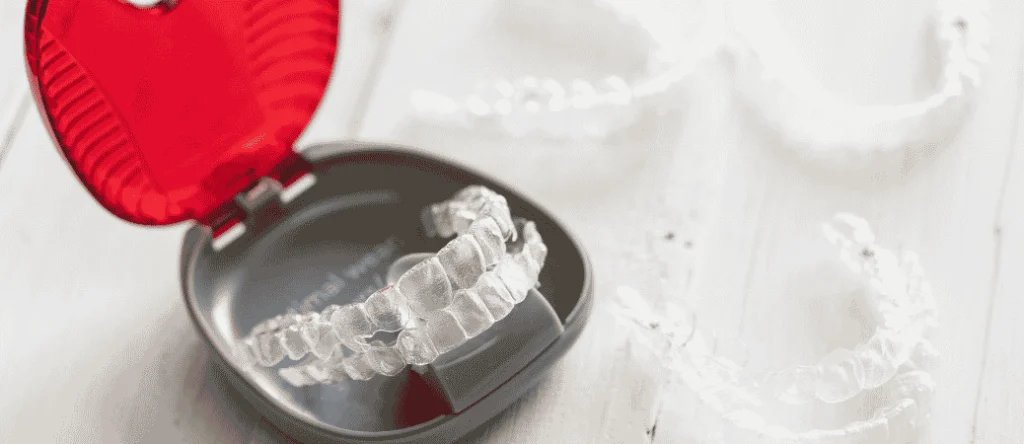


That zing you feel after whitening your teeth can catch you off guard, especially if it shows up out of nowhere while sipping cold water.
For most people, tooth sensitivity after whitening is a normal response to the whitening process and fades within a few days.
But not every ache after a whitening session is harmless, and knowing the difference matters for your comfort and your dental health.
Pain that stays in one tooth, throbs, or gets worse instead of better is telling you something different than a simple case of post-whitening sensitivity.
Whitening agents work by changing the tooth’s structure just enough to lift stains, and that process can temporarily irritate the nerve inside your tooth.
The key is tracking the pattern: how many teeth hurt, what triggers the pain, how strong it feels, and how long it lasts.
That pattern is what separates a normal reaction to teeth whitening from a warning sign of a cavity, crack, or failing filling that needs a dentist’s attention.
Key Takeaways
- Mild, short-lived sensitivity across several teeth is a common and expected response to whitening.
- Pain in a single tooth, throbbing pain, or pain when biting down points toward a dental problem, not whitening alone.
- Tracking your symptoms and product details before your next appointment helps a dentist figure out what is going on faster.
Is Sensitivity After Whitening Normal?
Sensitivity after whitening is normal when it feels mild, affects several teeth at once, and fades within a few days of finishing your whitening treatment.
This reaction happens because tooth bleaching products temporarily irritate the nerve inside your teeth, not because something is wrong with your dental health.
Tooth sensitivity is a common side effect of teeth whitening and usually improves after treatment stops.
Sensitivity becomes a different story when it feels like a toothache, focuses on one tooth, or sticks around for weeks. That kind of tooth pain is a signal to look closer, not to push through.
What Normal Post-Whitening Sensitivity Feels Like
Normal whitening sensitivity feels like a quick, sharp zing, not a deep, lingering ache. You may notice it when you breathe in cold air, drink something cold, or eat something sweet or acidic.
The feeling passes within seconds. It does not build into a throb, and it does not wake you up at night.
Many people describe it as similar to biting into ice cream, just uncomfortable enough to notice, then gone.
How Long Should Whitening Sensitivity Last?
Whitening sensitivity often eases within a few days after you finish treatment.
If it continues well beyond that window, becomes severe, or gets worse rather than better, an underlying issue such as decay, a crack, or exposed dentin could be responsible.
That is your cue to schedule a dental exam rather than wait it out.
Why Several Teeth May Feel Sensitive at Once
Sensitivity across several teeth at once is actually a reassuring sign, because it matches how whitening gel spreads across your smile.
Whitening strips, trays, and in-office treatments all coat multiple teeth with the same active ingredient at the same concentration.
Since every tooth in the treated area gets similar peroxide exposure, it makes sense that several teeth would react in a similar, mild way.
This kind of widespread, even sensitivity fits the pattern of a typical whitening treatment response rather than a localized dental problem.
When Does Tooth Pain Need a Dentist?
Tooth pain needs a dentist when it centers on one tooth, throbs, hurts when you bite down, or comes with swelling or fever.
These patterns point toward a dental problem separate from whitening, such as a cavity, cracked tooth, or failing filling, and they call for a proper dental assessment rather than waiting.
The table below shows how to tell the two apart at a glance.
| Symptom Pattern | Normal Whitening Sensitivity | Needs a Dentist |
| Number of teeth affected | Several teeth | One specific tooth |
| Type of pain | Quick, sharp zing | Throbbing or constant ache |
| Trigger | Cold, air, sweets | Biting, chewing, no trigger at all |
| Duration | A few days to about a week | Longer than a week or getting worse |
| Other symptoms | None | Swelling, fever, visible damage |
Pain in One Tooth, Throbbing, or Biting Pain
Pain limited to a single tooth is one of the clearest signs that something besides whitening is going on.
Whitening gel typically affects teeth fairly evenly, so pain that picks out just one tooth suggests a localized issue like a crack, deep cavity, or nerve irritation from another cause.
Throbbing pain, the kind that has its own rhythm and does not stop when the trigger goes away, is another red flag. So is pain when you bite or chew, since whitening on its own rarely makes biting hurt.
Signs of Decay, Cracks, and Failing Dental Work
Sensitivity that traces back to a cavity, a cracked tooth, or a leaking filling often mimics whitening pain at first, but it does not follow the same fading pattern.
A cavity exposes the sensitive dentin layer underneath your enamel, which can make a tooth react strongly to cold, sweets, or pressure well beyond the normal whitening window.
Cracked teeth often cause sharp pain specifically when you release a bite, a symptom whitening does not typically produce.
Leaking or failing fillings can let temperature and bacteria reach the inner tooth, causing pain that feels different from simple zinginess.
A dental examination can sort out which of these is happening, and My Harmony Smiles offers general dentistry visits built around exactly this kind of diagnostic work.
When Gum Symptoms or Swelling Need Urgent Care
Facial swelling, fever, or gum irritation that spreads beyond where you applied whitening gel needs prompt attention.
Mild, temporary redness on the gum line from excess whitening gel is common and usually settles within a few days.
Swelling that spreads to your face, jaw, or neck, especially paired with fever, can signal an infection such as an abscess or advancing gum disease.
These symptoms do not belong to a normal whitening reaction and call for emergency dental care rather than a wait-and-see approach.
Why Whitening Can Make Teeth Hurt
Whitening makes teeth hurt because its active ingredients pass through your enamel and temporarily irritate the nerve inside your tooth.
This is a known, expected side effect of the chemistry behind tooth bleaching, not a sign that whitening is damaging your teeth.
The strength of that reaction depends on the product you use, your enamel’s condition, and factors specific to your teeth and gums.
How Hydrogen Peroxide and Carbamide Peroxide Work
Hydrogen peroxide and carbamide peroxide are the active ingredients in nearly every whitening product, and they work by breaking apart stain molecules called chromogens on your teeth.
Carbamide peroxide breaks down into hydrogen peroxide once it is applied, so both ingredients ultimately do the same job through a chemical reaction.
Whitening products use different concentrations of peroxide. In general, stronger formulations or longer exposure can increase the likelihood of temporary sensitivity.
What Enamel, Dentin, and Dentinal Tubules Have to Do With Zingers
Sharp zingers happen when whitening gel reaches tiny channels inside your tooth called dentinal tubules. Your enamel is the hard, protective outer layer of your tooth.
Underneath it sits dentin, a softer layer riddled with these microscopic tubules that lead straight to the nerve, called the pulp, at your tooth’s center.
Peroxide molecules are small enough to pass through enamel and reach dentin during whitening. Once they reach the tubules, they can trigger a brief pulp response, which is what produces that jolt of cold sensitivity.
Who Has a Higher Risk of Sensitivity
People with thin or worn enamel, gum recession, or existing dental work face a higher risk of sensitivity during whitening.
Gum recession exposes tooth roots, and exposed root surfaces lack the same enamel protection as the crown of your tooth, so peroxide reaches the dentin and nerve more directly.
Teeth with untreated decay, cracks, or old fillings sit in a similarly vulnerable spot, since natural tooth structure is already compromised in those areas.
If any of this describes your teeth, a dental exam before whitening helps identify risks in advance.
How to Calm Sensitivity and Protect Your Teeth
Calming whitening sensitivity starts with pausing treatment, switching to a desensitizing toothpaste, and adjusting a few daily habits for a week or two.
Most people find real relief within a few days using these conservative steps, without needing to give up on whitening altogether.
Pause Whitening and Check the Product Directions
Pausing your whitening routine for a few days gives irritated nerves time to calm down.
Skipping a day or two between treatments, rather than stopping completely, often keeps your results on track while easing discomfort, since your teeth still reach the same shade, just over a slightly longer timeline.
While you pause, reread your product’s directions. Check the peroxide concentration, how much gel the instructions call for, and how long you are supposed to leave it on.
Overfilling a whitening tray or leaving strips on longer than directed are common reasons sensitivity gets worse.
Which Desensitizing Products May Help?
Desensitizing toothpaste containing potassium nitrate or stannous fluoride can meaningfully reduce whitening sensitivity when used regularly.
Potassium nitrate works by calming the nerve signals inside your tooth, and it has shown measurable effectiveness when used twice daily before or during a whitening treatment.
A dentist may also recommend professional fluoride or desensitizing treatments when sensitivity needs additional management. Options worth discussing with your dental team:
- Over-the-counter sensitivity toothpaste with potassium nitrate or stannous fluoride
- Fluoride varnish applied in-office
- Desensitizing gel applied before or after whitening sessions
Foods, Drinks, and Brushing Habits to Adjust Temporarily
Avoiding very hot, cold, sweet, or acidic foods and drinks for a few days gives sensitive teeth a break from common triggers.
Coffee, citrus, soda, and ice water are frequent culprits worth setting aside temporarily.
Switch to a soft-bristled toothbrush and use gentle brushing pressure, since scrubbing hard can aggravate already-irritated teeth and gums.
An over-the-counter pain reliever may help with short-term discomfort for some people. Follow the product directions and ask your dentist or healthcare professional what is appropriate for you.
How to Whiten More Safely Next Time
Whitening more safely starts with a dental examination before you begin, followed by realistic choices about product strength and how often you whiten.
This approach helps you get a brighter smile while lowering your odds of a repeat sensitivity episode.
Why a Dental Examination Matters Before Whitening
A dental examination before whitening catches problems like cavities, cracks, or gum recession that would otherwise turn a routine whitening session into a painful one.
Your dentist can also confirm whether your discoloration is on the tooth’s surface or coming from inside the tooth, since internal staining does not always respond to standard bleaching gels.
Booking a teeth whitening consultation with your dental team lets you start treatment with a clear picture of your tooth and gum health.
How to Adjust Concentration, Contact Time, and Treatment Frequency
Lowering your peroxide concentration, shortening contact time, or spacing out sessions can cut sensitivity significantly while still lightening your teeth.
If strips or trays caused significant sensitivity previously, ask your dentist whether a lower-strength product, shorter application time, or less frequent whitening schedule would be appropriate.
Extending the days between treatments, or using a tray for less time per session, also reduces cumulative peroxide exposure to your dentin.
It takes a bit more patience but tends to produce a more comfortable experience overall. Learning how long teeth whitening results typically last can help you plan a realistic, less frequent whitening schedule.
What to Know About Crowns, Veneers, and Fillings
Crowns, veneers, and fillings do not whiten the same way natural tooth structure does, which can create uneven results or unnecessary sensitivity if whitening agents are applied without a plan.
Porcelain veneers and crowns keep their original shade regardless of peroxide exposure, so whitening around them can leave a visible mismatch.
Existing fillings near the gumline can also trap gel or irritate nearby tissue.
A dentist can map out which teeth are safe to whiten and which restorations need a different cosmetic approach, sometimes pointing toward options discussed during a smile makeover consultation instead.
A Brighter Smile Should Not Mean Ignoring Tooth Pain

Mild tooth sensitivity after whitening is common and usually fades within days, but pain that centers on one tooth, throbs, or comes with swelling deserves attention from a dentist.
Tracking where the pain shows up, what triggers it, and how long it lasts gives you and your dental team the clearest path to sorting out normal whitening sensitivity from a problem like a cavity or crack.
A whiter smile is worth having, and so is knowing your teeth are healthy underneath it. If something feels off, reaching out to a dental team for a proper look is always a reasonable next step.
Frequently Asked Questions
How long does tooth sensitivity last after whitening?
Whitening sensitivity typically eases within a few days after finishing treatment, often by around the fourth day.
Sensitivity that lasts beyond a week or continues to worsen suggests something other than a normal whitening reaction and is worth having checked.
Is unbearable pain after teeth whitening normal?
Unbearable pain after teeth whitening is not a normal or expected reaction.
Mild zings and short-lived sensitivity are common, but intense, severe pain points toward an underlying issue such as a crack, deep cavity, or nerve problem, and it calls for prompt dental evaluation.
What should I do if whitening strips make one tooth hurt?
Pain limited to one tooth after using whitening strips is a sign to stop treatment and have that tooth examined.
This pattern does not match how whitening gel typically affects teeth evenly, so it more likely points to decay, a crack, or an existing filling issue.
Can pain relievers help with tooth sensitivity after whitening?
An over-the-counter pain reliever may help with short-term discomfort for some people.
Follow the product directions and ask your dentist or healthcare professional what is appropriate for you, especially if you take other medications or have health conditions.
How can I treat burned gums from teeth whitening?
Gum irritation, sometimes called a whitening burn, often improves with a saltwater rinse and by wiping away excess gel with a cotton swab right after it happens.
Giving your gums a short break from whitening usually allows healing within a few days; if redness or pain persists, a dentist should take a look.
Can I continue whitening if my teeth are sensitive?
Continuing whitening is often possible if your sensitivity is mild, spread across several teeth, and fading between sessions.
Many people find relief by skipping a day or two, switching to a lower peroxide concentration, or using a desensitizing toothpaste, but sensitivity that is severe, localized, or worsening means treatment should pause until a dentist has assessed your teeth.