
How long does teeth whitening last? It is one of the most common questions patients ask before investing in a brighter smile.
You are not alone. Millions of adults feel self-conscious about stained or discolored teeth. The good news is that professional teeth whitening offers a safe, fast, and effective solution.
Unlike over-the-counter strips or messy gels, dentist-supervised whitening delivers dramatic results without damaging your enamel.
This comprehensive guide covers everything you need to know: why teeth stain, what professional teeth whitening involves, how it compares to DIY methods, aftercare tips, sensitivity management, and how to make your results last.
By the end, you will feel confident about achieving a brighter, whiter smile.
Why Teeth Become Stained Over Time
To understand whitening, you first need to know why teeth lose their brightness. Tooth discoloration generally falls into two categories.
External (Surface) Stains
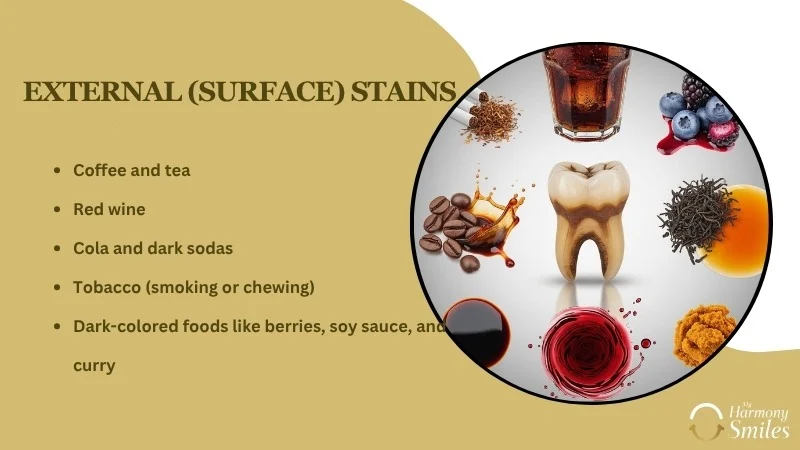
These stains affect the outer layer of your tooth called enamel. Common causes include:
- Coffee and tea
- Red wine
- Cola and dark sodas
- Tobacco (smoking or chewing)
- Dark-colored foods like berries, soy sauce, and curry
Over time, these substances leave behind pigmented residue that builds up and dulls your smile.
Internal (Intrinsic) Stains

These stains occur within the tooth structure itself. Causes include:
- Aging (enamel naturally thins, revealing yellowish dentin underneath)
- Certain medications (such as tetracycline antibiotics taken during childhood)
- Dental trauma or injury
- Excessive fluoride exposure (fluorosis)
- Genetics
Additional Factors
- Poor oral hygiene allows plaque and tartar to accumulate, trapping stains
- Braces can leave white spots or discoloration after removal
- Enamel erosion from acidic foods or acid reflux makes teeth more prone to staining
The key takeaway is that surface stains respond well to whitening, while deep intrinsic stains may require more intensive treatment or alternative cosmetic solutions like veneers. This is why whitening stained teeth is best done under professional supervision.
What Is Professional Teeth Whitening?
Professional teeth whitening is a dentist-supervised treatment that uses clinical-strength bleaching agents to lighten the color of your natural teeth. The active ingredients are usually hydrogen peroxide or carbamide peroxide.
These compounds penetrate the enamel and break down stain molecules into smaller, colorless particles.
Professional whitening differs from over-the-counter products in several important ways:
- Higher concentration of active ingredients for faster, more dramatic results
- Customized application to ensure even coverage
- Protective barriers for your gums to prevent irritation
- Professional monitoring to manage sensitivity
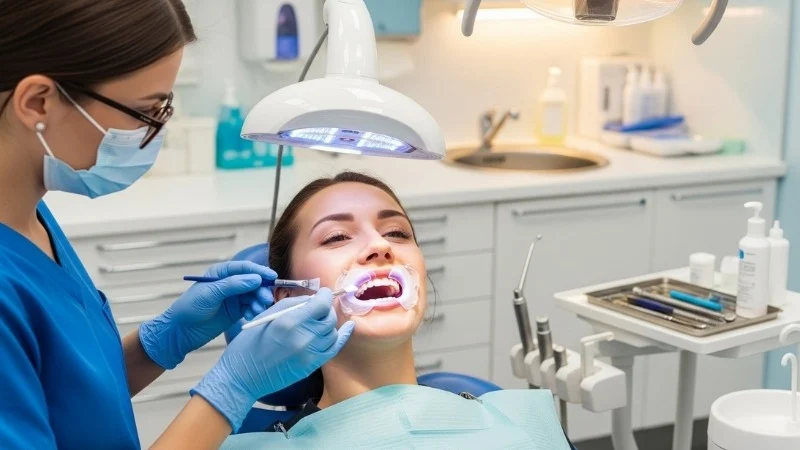
In-office teeth whitening is performed entirely at the dental clinic. Your dentist applies the whitening gel and may use a special light or laser to accelerate the process. You typically see results in a single 60 to 90-minute appointment.
Custom whitening trays are a take-home option. Your dentist takes impressions of your teeth and fabricates custom-fitted trays. You fill the trays with professional-strength gel and wear them for a prescribed amount of time each day, usually for 1 to 2 weeks. This option offers gradual whitening and is excellent for maintenance.
Is Professional Teeth Whitening Right for You?
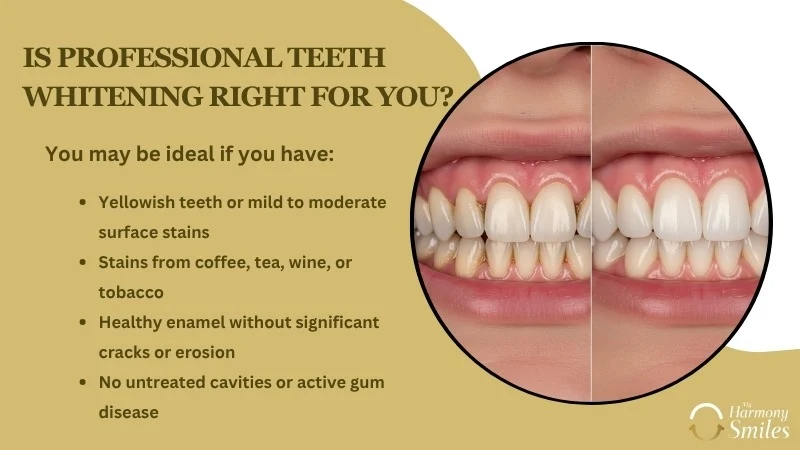
Most adults with healthy teeth and gums are good candidates for professional whitening. You may be ideal if you have:
- Yellowish teeth or mild to moderate surface stains
- Stains from coffee, tea, wine, or tobacco
- Healthy enamel without significant cracks or erosion
- No untreated cavities or active gum disease
You may not be a good candidate if you have:
Severe enamel erosion or exposed dentin
Deep intrinsic stains that do not respond to peroxide bleaching
Many dental restorations (crowns, veneers, fillings, or bonding) – these will not whiten and may stand out after treatment
Active gum disease or tooth decay (these must be treated first)
Pregnancy (most dentists recommend waiting until after delivery)
If you have sensitive teeth, do not worry. Your dentist can adjust the treatment strength, use desensitizing agents, or recommend a slower take-home approach. Safe whitening treatment for sensitive teeth is absolutely possible with professional supervision.
Professional Teeth Whitening Options
There are several ways to whiten your teeth professionally. Each has its own advantages.
| Treatment Option | Time Required | Results Speed | Longevity | Sensitivity Risk | Best For |
| In-Office Whitening | 60-90 minutes | Instant (several shades in one visit) | 6-12 months | Low to moderate | Special events, fast results |
| Custom Take-Home Trays | 1-2 weeks (daily wear) | Gradual (2-3 shades per week) | 6-12 months | Low (slower, controlled) | Convenience, maintenance |
| Combination Plan | 1 in-office visit + tray maintenance | Fast initial then gradual upkeep | 12-24 months | Very low | Long-lasting results |
In-Office Teeth Whitening
This is the fastest option. Your dentist applies a protective barrier to your gums and then paints the whitening gel onto your teeth. A special light or laser may be used to activate the gel.
The process is repeated 2 to 3 times during the appointment. You can leave the office with teeth that are 2 to 8 shades whiter.
Popular in-office systems include Zoom Whitening and laser whitening. These treatments are ideal for patients who have an upcoming wedding, job interview, or special event and need immediate results.
Custom Take-Home Whitening Trays
Your dentist takes digital impressions of your teeth to create custom-fitted trays that snap perfectly over your teeth. You receive professional-grade whitening gel in syringes. You fill the trays and wear them for 30 to 60 minutes per day or overnight, depending on the gel strength.
This method is more gradual but gives you control over your schedule. It is also excellent for touch-up treatments after an in-office session.
What to Expect During a Professional Teeth Whitening Treatment
Knowing what happens step by step reduces anxiety and helps you prepare.
Step 1: Initial Consultation & Smile Assessment
Your dentist examines your teeth and gums, takes X-rays if needed, and checks for cavities, gum disease, and enamel wear. You discuss your goals and any history of tooth sensitivity.
Your dentist also evaluates any existing crowns, veneers, or fillings, as these will not whiten. A shade guide is used to record your starting tooth color.
Step 2: Cleaning & Preparation
Professional whitening works best on clean teeth. Your dentist may perform a dental cleaning to remove plaque and tartar.
Then, a cheek retractor is placed, and a protective barrier (liquid rubber or gel) is applied to your gums to shield them from the whitening gel.
Step 3: Whitening Gel Application
The whitening gel, containing hydrogen peroxide or carbamide peroxide, is applied evenly to your teeth. The gel is left on for 15 to 20 minutes.
For in-office whitening, a special light or laser may be used to activate the gel. This is repeated for 2 to 3 cycles.
Step 4: Treatment Activation & Whitening Process
During the treatment, you may feel mild warmth or tingling. This is normal. If you experience sharp pain, tell your dentist immediately. Most patients find the process very tolerable.
Step 5: Results & Immediate Aftercare
After the final cycle, the gel and protective barrier are removed. Your dentist checks your new shade and shows you the before-and-after difference. You will receive instructions for the next 24 to 48 hours, including which foods and drinks to avoid.
Professional Teeth Whitening vs Over-the-Counter Products
It can be tempting to grab a whitening strip from the drugstore. But there are important differences.
| Feature | Professional Whitening | OTC Products (strips, pens, trays) |
| Whitening Strength | High (35-45% peroxide) | Low (3-10% peroxide) |
| Speed of Results | 1-2 shades per session | Several weeks to months |
| Safety Monitoring | Dentist-supervised | Unsupervised |
| Customization | Custom trays, tailored treatment | One-size-fits-most |
| Gum Protection | Full barriers | None, risk of burns |
| Longevity | 6-24 months | 1-3 months |
| Sensitivity Control | Desensitizing options available | None |
Professional vs DIY teeth whitening is not a close contest when it comes to safety and effectiveness. OTC products often cause uneven whitening, gum irritation, and disappointing results. Many patients end up spending more money on failed DIY attempts before finally seeing a dentist.
Does Professional Teeth Whitening Cause Sensitivity?
Tooth sensitivity is the most common side effect of whitening, but it is usually temporary and manageable. During the whitening process, peroxide opens pores in your enamel to reach stain molecules.
This temporary porosity can allow hot, cold, or sweet stimuli to reach the nerve, causing tingling or zinging sensations.
How to Manage Sensitivity
Use desensitizing toothpaste containing potassium nitrate or stannous fluoride for two weeks before and after treatment
- Ask your dentist for a fluoride gel or varnish applied immediately after whitening
- Wear custom trays for shorter periods or take rest days between applications
- Avoid extremely hot or cold foods and drinks for 48 hours
- Use over-the-counter pain relievers like ibuprofen if needed
Does whitening damage enamel? No, when performed correctly under professional supervision, whitening does not harm your enamel. Multiple studies have confirmed that peroxide-based whitening is safe for enamel and dentin when used as directed.
If you have a history of sensitive teeth, your dentist may recommend a lower-strength gel, a take-home tray method, or a desensitizing pretreatment. Whitening for sensitive teeth is absolutely possible.
Teeth Whitening Aftercare Tips for Long-Lasting Results
You have invested in a brighter smile. Now protect that investment.
Foods & Drinks to Avoid After Whitening
For the first 48 hours after whitening, your enamel is more porous and susceptible to new stains. Follow the “white diet” or “pale plate” concept. Avoid:
- Coffee, tea, and red wine
- Cola and dark sodas
- Soy sauce, balsamic vinegar, and tomato sauce
- Dark berries (blueberries, blackberries)
- Curry and turmeric-based dishes
- Beets and red pasta sauce
Smart Habits That Help Maintain White Teeth Longer
- Drink dark beverages through a straw to bypass front teeth
- Rinse your mouth with water immediately after consuming staining foods
- Wait at least 30 minutes before brushing after acidic foods or drinks
- Use a gentle, non-abrasive whitening toothpaste once or twice per week
- Floss daily to remove plaque that can trap stains
- Use a fluoride or nano-hydroxyapatite mouthwash to strengthen enamel
Whitening Maintenance & Touch-Ups
Most patients benefit from touch-up treatments every 3 to 6 months. If you have custom take-home trays, you can use them for one or two nights every few months. Some patients return for a single in-office booster session once or twice per year.
Your dentist will recommend a maintenance schedule based on your lifestyle and how quickly your teeth tend to stain.
Common Mistakes That Ruin Whitening Results
Avoid these mistakes to keep your smile bright.
- Smoking or vaping immediately after treatment (tobacco quickly re-stains)
- Over-whitening to an unnatural, chalky white
- Using abrasive DIY remedies like baking soda, charcoal, or lemon juice (these erode enamel)
- Skipping regular dental cleanings (plaque buildup traps stains)
- Ignoring good oral hygiene between visits
- Drinking staining beverages without a straw
- Failing to use touch-up treatments when needed
What Teeth Whitening Can and Cannot Fix
It is important to have realistic expectations.
Professional teeth whitening CAN improve:
- Yellowish teeth from aging
- Surface stains from coffee, tea, wine, and tobacco
- Mild to moderate discoloration
Whitening CANNOT fix:
- Deep internal stains (may require veneers or crowns)
- Dental restorations (crowns, veneers, bonding, fillings) retain their original color)
- Severe tetracycline staining (may require multiple sessions or alternative treatments)
- Enamel erosion or exposed dentin
If whitening is not enough to achieve your desired smile, your dentist may recommend smile makeover options such as porcelain veneers or dental bonding.
How Long Does Professional Teeth Whitening Last?
The longevity of your results depends entirely on your habits. With good aftercare, most patients enjoy a brighter smile for 6 to 12 months. Some patients maintain results for 1 to 3 years with touch-up treatments and careful avoidance of staining foods.
Factors that shorten whitening longevity:
- Daily coffee, tea, or red wine consumption
- Smoking or using tobacco products
- Poor oral hygiene
- Skipping touch-up treatments
- Eating a diet rich in dark-colored foods
How long teeth whitening lasts is ultimately in your hands. The initial investment in professional whitening pays off when you protect your results with smart aftercare.
How Much Does Professional Teeth Whitening Cost?
Pricing varies based on your location, the dentist’s expertise, and the type of treatment. In general:
- In-office whitening: $500–$1,500 per session
- Custom take-home trays with professional gel: $300–$600
- Combination plans: $600–$1,200
While professional whitening costs more than drugstore strips, you are paying for safety, effectiveness, and longevity. Many dental offices offer payment plans or financing to make treatment affordable.
Benefits of Professional Teeth Whitening Beyond Appearance
A brighter smile does more than look good. It changes how you feel.
- Confidence boost: You stop covering your mouth when you laugh or speak.
- Better first impressions: A bright smile signals health and vitality.
- More photos: You no longer avoid being in pictures.
- Motivation for oral hygiene: People who invest in whitening tend to brush and floss more consistently.
- Professional edge: In business and social settings, a confident smile matters.
How to Keep Your Smile Bright for Years: A Checklist
Follow this checklist to achieve a lasting whiter smile:
- Brush twice daily with fluoride toothpaste
- Floss daily
- Rinse with water after staining drinks
- Use a straw for coffee, tea, or soda
- Visit your dentist for cleanings every 6 months
- Avoid tobacco products
- Use take-home whitening trays for touch-ups every 3-6 months
- Limit dark-colored foods and beverages
- Drink plenty of water to wash away food particles
Frequently Asked Questions About Professional Teeth Whitening
How long does professional teeth whitening last?
Results typically last 6 to 12 months. With good aftercare and touch-up treatments, some patients enjoy a brighter smile for 1 to 3 years.
Is professional teeth whitening safe?
Yes, when performed by a dentist. The gums are protected, and the whitening agents are used at safe concentrations. Professional supervision minimizes risks.
Does whitening damage enamel?
No. Numerous studies confirm that peroxide-based whitening does not harm enamel when used as directed.
Does teeth whitening hurt?
You may experience temporary sensitivity to hot or cold, but this usually resolves within 1 to 3 days. Your dentist can provide desensitizing treatments.
Can sensitive teeth be whitened safely?
Yes. Your dentist can use lower-strength gels, take-home trays with slower wear schedules, and desensitizing products to make whitening comfortable.
Can whitening remove smoking stains?
Yes, surface tobacco stains respond very well to professional whitening. Deep stains may require multiple sessions.
Is professional whitening better than whitening strips?
Yes. Professional whitening is stronger, faster, safer, and provides longer-lasting results. It also protects your gums and monitors sensitivity.
What foods should I avoid after whitening?
For 48 hours, avoid coffee, tea, red wine, cola, soy sauce, tomato sauce, dark berries, and curry. Stick to white or pale foods like rice, chicken, bananas, and yogurt.
Will whitening work on crowns or veneers?
No. Dental restorations do not whiten. If you have crowns or veneers, your dentist will plan whitening before placing new restorations so they can be color-matched.
How often can I whiten my teeth?
Most dentists recommend no more than once every 6 months for in-office whitening. Touch-up trays can be used every 1 to 3 months as needed.
What is the best professional whitening treatment?
The best treatment depends on your goals. For the fastest results, in-office whitening is best. For gradual whitening with less sensitivity, custom trays are excellent. Many patients benefit from a combination plan.
How many shades whiter can teeth get?
Most patients achieve 2 to 8 shades lighter on a standard shade guide after one in-office treatment. Results vary based on starting color and stain type.
Final Thoughts
Professional teeth whitening is one of the safest, most effective ways to transform your smile.
Unlike DIY products, dentist-supervised whitening delivers dramatic, predictable results without damaging your enamel. With proper aftercare and touch-up maintenance, your bright smile can last for years.
If you are ready to stop hiding your smile and start feeling confident, talk to your dentist. They will help you choose the right whitening option for your unique teeth, budget, and sensitivity concerns.