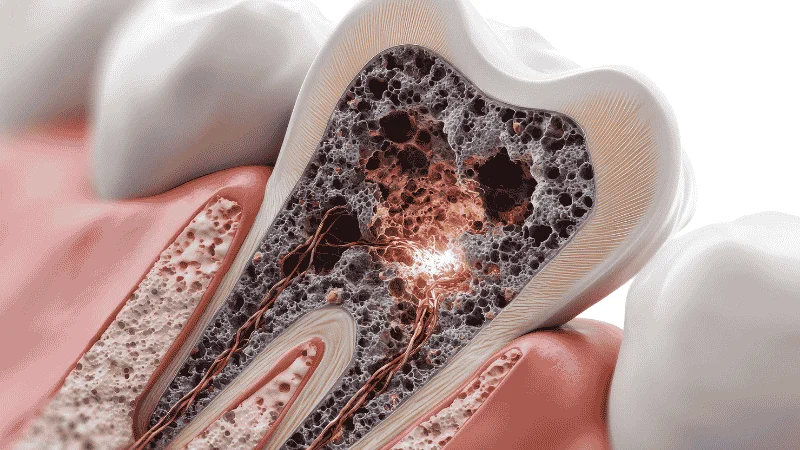


You might notice a painful lump under your skin that feels warm and swollen. That lump could be an abscess. It often starts when bacteria enter your body through a small cut, clogged pore, or hair follicle.
An abscess forms when your immune system traps a bacterial infection in one spot, creating a pocket of pus that leads to dental abscess complications if it spreads or goes untreated.
Pus builds up from dead tissue, white blood cells, and germs. As pressure increases, you may feel more pain, redness, and swelling.
Most skin abscesses stay small, but some grow deeper and lead to serious problems. When bacteria move into nearby tissue or the bloodstream, the infection can worsen quickly.
Knowing how abscesses form and why they turn risky helps you act early and protect your health.
Key Takeaways
- An abscess forms when your body walls off a bacterial infection and creates a pocket of pus.
- Pressure and trapped bacteria can cause pain and raise the risk of spread.
- Early care lowers the chance of serious infection and complications.
What Exactly Is an Abscess?
An abscess is a pocket of pus that forms when your body tries to fight an infection. It often shows up as a painful, swollen lump under your skin, but it can also grow deep inside your body.
Doctors define an abscess as a collection of pus caused by bacterial infection. The pus contains white blood cells, dead tissue, and germs. This buildup creates pressure, which leads to pain and swelling.
Abscess vs. Other Skin Issues
You might confuse a skin abscess with a pimple or an ingrown hair. But they are not the same.
A pimple forms when oil and dead skin clog a pore. It is usually small and clears on its own. A cutaneous abscess, on the other hand, forms when bacteria enter deeper tissue and your immune system walls off the infection.
A boil, also called a furuncle, is a type of abscess that starts in a hair follicle. A carbuncle is a cluster of connected boils. These tend to be larger and more painful.
Unlike mild skin issues, abscesses often feel warm and tender. You may notice redness that spreads beyond the lump.
Some abscesses can even develop into more serious skin infections, such as certain forms of pyoderma, if you do not treat them.
Different Types of Abscesses
Abscesses can form almost anywhere in your body. The skin is the most common place.
A skin abscess sits just under the surface. A common example is a boil. A pilonidal abscess often forms near your tailbone and may cause pain when you sit.
Some abscesses grow inside your body. These are called internal abscesses. Examples include a brain abscess, a liver abscess, or a tooth abscess, also known as a dental abscess.
Internal abscesses are harder to spot. You may feel deep pain, fever, or fatigue instead of seeing a lump. Many deep infections require imaging tests and drainage.
How the Immune System Responds
When bacteria enter your tissue, your immune system reacts fast. White blood cells move to the area to attack the germs.
As these white blood cells fight the infection, many of them die. Dead cells, bacteria, and tissue fluid collect together and form pus. Your body then builds a wall of tissue around this material to keep it from spreading.
This walling-off process protects the rest of your body. But it also traps the infection inside, which creates pressure and pain.
Small abscesses may improve with warm compresses and medical care, as described in this guide to abscess types and treatment options.
Larger ones often need to be drained because antibiotics alone usually cannot clear thick pockets of pus.
The Formation Process: How Abscesses Develop
An abscess forms when bacteria enter your body and your immune system reacts fast and hard. This process leads to trapped infection, heavy inflammation, and a pocket of pus that can grow and spread.
Role of Bacteria and Inflammation
Most abscesses start with a bacterial infection. Common bacteria include staphylococcus aureus and streptococcus pyogenes, which often live on your skin without causing harm.
When bacteria enter through a cut, ingrown hair, or poor wound care, they can trigger a skin infection.
Conditions like folliculitis or hidradenitis suppurativa (HS) also raise your risk. In HS, blocked hair follicles and repeated inflammation can lead to deep, painful abscesses.
Your body reacts with inflammation. Blood flow increases, and the area turns red, warm, swollen, and tender. This reaction helps fight germs, but it also sets the stage for pus to collect.
If you have a weakened immune system, your body may struggle to control the infection. That can allow bacteria to multiply and make the abscess larger.
Stages of Abscess Formation
Abscesses do not form all at once. They develop in clear stages.
- Bacterial entry through broken skin or a blocked follicle
- Rapid immune response with swelling and pain
- Pus buildup inside a closed space
- Encapsulation, where a wall forms around the infection
Pus is a thick fluid made of white blood cells, dead tissue, and bacteria. As pus builds, pressure increases under your skin. You may notice a painful, compressible, pus-filled bump that feels warm and tender.
Many abscesses show these common abscess symptoms.
In some cases, the abscess “comes to a head” and drains. In deeper tissues, it may stay hidden and grow larger before you notice it. Thus, it is better to undergo a dental exam immediately rather than delaying the checkup.
Immune System Triggers

Your immune system drives much of the abscess process. Once bacteria invade, your body sends white blood cells to attack them.
These cells release chemicals that kill germs but also damage nearby tissue. Dead cells, bacteria, and fluid collect in one spot. Instead of spreading out, the infection often becomes walled off.
In some infections, especially those caused by staphylococcus aureus, bacteria actively help shape the abscess. Research shows that this germ can promote structured abscess lesions in tissue.
When your immune system cannot fully clear the bacteria, the abscess persists. Without treatment, the trapped infection may enlarge, spread, or enter your bloodstream.
Why Abscesses Turn Dangerous
An abscess may start as a small, painful lump, but it can become serious if you ignore it. Infection can spread, damage nearby tissue, and even enter your bloodstream.
Risks of Untreated Abscesses
When you leave a bacterial abscess untreated, pressure builds as pus collects under the skin. The area often becomes red, warm, and very painful. You may also notice swollen lymph nodes, which signal that your body is fighting infection.
Skin abscesses can grow larger instead of healing on their own. An abscess is a pocket of pus that may need medical care if it does not drain or improve.
Warm compresses may help small skin infections, but deeper or painful abscesses often need treatment.
Without care, the infection can spread into nearby skin and cause cellulitis. This condition makes your skin red, swollen, and tender. You may also develop fever and chills, which show that the infection is affecting your whole body.
Spread to Deeper Tissues and Blood
An abscess does not always stay near the surface. Bacteria can move into deeper tissues, especially if the abscess sits near muscles or bones.
Deep abscesses may cause constant pain, swelling, and limited movement. If bacteria reach the bone, you can develop osteomyelitis, a serious bone infection that often requires long-term antibiotics or surgery.
In some cases, bacteria enter your bloodstream. This can lead to sepsis, a life-threatening reaction to infection.
The MSD Manual explains that abscesses are often caused by bacteria and can cause local and body-wide symptoms such as fever when deeper infections occur.
When infection spreads through your blood, you may feel weak, dizzy, or confused. Your heart rate may rise, and your blood pressure can drop. These signs require emergency dental care.
Dangerous Complications
Complications depend on where the abscess forms. A skin abscess may scar after it drains, especially if it grows large or breaks open on its own.
Abscesses near vital organs carry greater risk. For example, untreated infections can damage nearby tissue and form tunnels under the skin. Repeated infections also weaken the area and raise the chance of future skin infections.
You should also watch for warning signs such as:
- Rapidly increasing pain or swelling
- Spreading redness
- Fever and chills
- Swollen lymph nodes that do not shrink
- Drainage with a strong odor
These signs suggest that the infection is worsening. Early treatment lowers your risk of cellulitis, osteomyelitis, and sepsis, and helps your body recover faster.
Common Sites and Types of Abscesses
Abscesses can form in many parts of your body, but some areas are more common than others. Where the abscess forms affects how it feels, how serious it is, and how doctors treat it.

Skin, Mouth, and Internal Abscesses
A skin abscess, also called a cutaneous abscess, forms just under your skin. It often looks red, swollen, and feels warm and painful. You may notice a soft center filled with pus. Also, skin abscesses are usually easy to see and feel.
Common spots include your armpits, groin, buttocks, and lower back. A pilonidal abscess can form near the base of your spine. It often starts from an infected hair follicle.
In your mouth, a dental abscess or tooth abscess forms near the root of a tooth or in your gums. It can cause sharp pain, swelling in your face, and fever.
An internal abscess forms deep inside your body. These include a brain abscess or liver abscess. You cannot see them from the outside. Doctors often need imaging tests to find them.
Boils, Carbuncles, and Furuncles
A boil, also called a furuncle, is a small skin abscess that starts in a hair follicle. It begins as a tender red bump and grows as pus collects inside. Many boils drain on their own, but some need medical care.
When several boils join together under the skin, they form a carbuncle. Carbuncles are larger and deeper than a single boil. They often cause more pain and may lead to fever.
Boils and carbuncles often appear in areas with friction and sweat, such as your neck, thighs, or armpits. You should not squeeze or cut these at home. Doing so can push bacteria deeper and spread the infection.
Abscesses Related to Medical Conditions
Some abscesses link to ongoing health problems. If you have hidradenitis suppurativa (HS), your immune system triggers repeated painful lumps under your skin.
These lumps can turn into abscesses, especially in your armpits or groin.
People with Crohn’s disease may develop abscesses near the anus. Diabetes also raises your risk because high blood sugar makes it harder for your body to fight infection.
Internal diseases can lead to organ abscesses. For example, a severe infection in your abdomen can spread and form a liver abscess.
If you have a long-term condition and notice swelling, warmth, or pus, you should contact your doctor quickly. Early treatment lowers the risk of serious problems.
Diagnosis and Medical Evaluation
Doctors diagnose an abscess by looking at your symptoms, examining the area, and sometimes ordering imaging tests. Quick evaluation helps prevent spread, tissue damage, and serious infection.
Recognizing Symptoms
You will often notice a painful, swollen lump that feels warm and tender. It may look like a large pimple and can fill with pus as it grows.
As pressure builds, the skin may turn red and tight. Some abscesses “come to a head” and start to drain on their own. Others stay deep under the skin and feel firm.
Your body may react to the infection. You might develop fever and chills, feel tired, or notice swollen lymph nodes near the area. These signs mean your immune system has sent white blood cells to fight the infection.
Internal abscesses can cause deeper pain, stomach discomfort, or trouble swallowing, depending on location. If pain keeps getting worse instead of better, you should seek care.
Tests and Examinations
Your doctor will start with a physical exam. They press gently on the area to check for tenderness, warmth, and fluid movement under the skin.
For deeper or unclear cases, imaging tests help confirm the diagnosis. An ultrasound often finds soft tissue pockets of infection. A CT scan or MRI may help locate deeper abscesses inside the body.
If needed, your doctor may collect a sample of pus. A lab can test it to identify the bacteria and choose the right antibiotic.
In rare cases, a biopsy checks for other causes if the lump does not respond to treatment. Many abscesses require abscess drainage, which removes the trapped pus and relieves pressure.
When to Seek Urgent Help
You should get urgent care if you have a high fever, shaking chills, or fast spreading redness. These signs may point to a serious infection.
Seek help right away if the abscess sits near your eyes, spine, groin, or rectum. Infections in these areas can spread quickly.
Go to the emergency room if you feel dizzy, confused, or very weak. These symptoms can signal that the infection has entered your bloodstream.
If pain becomes severe or drainage smells foul and continues, do not wait. Early treatment lowers the risk of tissue damage and other complications.
Treatment, Prevention, and Aftercare
You can treat some abscesses at home, but others need medical care. Quick action lowers pain, limits spread, and reduces the risk of serious infection.
Home Care and Warm Compresses

If you have a small skin abscess, you may start with a warm compress. Heat increases blood flow and helps your body fight the infection. It can also help the abscess come to a head and drain on its own.
Place a clean, warm (not hot) cloth over the area for 10 to 15 minutes.
Repeat this 3 to 4 times a day.
Do not squeeze or pop the abscess. This can push bacteria deeper into your skin and make the infection worse.
You can try home treatment for minor skin abscesses, but you should seek medical care if symptoms do not improve.
Keep the area clean and covered with a sterile bandage. Wash your hands before and after touching the area to avoid spreading bacteria.
Medical and Surgical Treatments
You need medical care if the abscess is large, very painful, spreading, or not improving. A doctor may perform incision and drainage, also called abscess drainage. This is the main treatment for many skin abscesses.
During the procedure, the doctor makes a small cut to let the pus drain out. Sometimes they place gauze inside to keep the area open and allow continued drainage.
Many patients also need antibiotics. Common options include:
- Clindamycin
- Cephalexin
- Doxycycline
- Trimethoprim-sulfamethoxazole
Your dentist chooses the antibiotic based on the bacteria involved and your health history.
Deep abscesses inside the body may require imaging and more advanced surgical drainage. The deeper infections often need both drainage and antibiotics to prevent complications.
Preventing Recurrence and Good Hygiene
You can lower your risk of another abscess by improving personal hygiene and skin care.
Wash your skin daily with mild soap.
Shower after heavy sweating.
Avoid sharing towels, razors, or clothing.
Treat small cuts right away. Clean the area, apply a clean bandage, and watch for redness or swelling. Good wound care stops bacteria from entering broken skin.
If you have a history of repeated abscesses, your doctor may check for conditions such as diabetes or immune problems. Follow all aftercare steps after abscess drainage, including changing dressings as directed.
Finish your full course of antibiotics, even if you feel better. Stopping early can allow the infection to return.
Frequently Asked Questions
Abscesses often start as small infections under the skin, but they can grow, spread, and cause serious problems if you ignore them. Knowing what causes them, how they look, and when to seek care helps you act early.
What usually causes a skin abscess to develop?
A skin abscess usually forms when bacteria enter your body through a small cut, scrape, or blocked hair follicle. Your immune system sends white blood cells to fight the infection, and this creates pus.
You may notice a red, warm, and tender lump that feels soft or firm. Bacterial infections are the most common cause of an abscess.
Poor hygiene, shaving, sweating, or tight clothing can also raise your risk. People with diabetes or weakened immune systems get them more often.
How can you tell the difference between an abscess and a boil?
A boil is a type of skin abscess that starts in a hair follicle. It is usually smaller and more limited to one area.
An abscess can form deeper under your skin and may grow larger. It often feels like a painful, swollen mass that is red and warm to the touch.
If the lump grows, becomes very painful, or causes fever, you may be dealing with a larger abscess rather than a simple boil.
Why can an abscess become dangerous if it’s left untreated?
An untreated abscess can continue to fill with pus. Pressure builds inside the tissue, which increases pain and swelling.
In some cases, bacteria can spread to nearby tissue or enter your bloodstream. Deep abscesses may also cause body-wide symptoms and often require imaging and drainage. If you notice fever, chills, or spreading redness, you should seek medical care right away.
Is it safe to squeeze or pop an abscess to drain the pus?
You should not squeeze or pop an abscess at home. Pressure can push bacteria deeper into your skin.
This may worsen the infection or cause it to spread. Medical professionals use sterile tools and proper techniques to drain abscesses safely, which lowers your risk of complications.
Warm compresses may help small skin abscesses drain on their own, but you should avoid force.
When do abscesses need antibiotics or professional drainage?
Small skin abscesses sometimes improve with warm compresses. However, many require drainage to heal.
Doctors often treat abscesses with a minor procedure called incision and drainage. You may also need antibiotics if the infection spreads, if you have a fever, or if your immune system is weak.
Abscesses in the mouth, near the spine, or inside your body always need medical care.
What are the common healing stages of an abscess, and how long do they take?
An abscess often starts as a firm, painful lump. It then becomes softer as pus collects inside. After drainage, swelling and redness slowly decrease. With proper treatment, many skin abscesses heal within about two weeks.
Healing time depends on the size of the abscess and your overall health. Keeping the area clean and following your doctor’s instructions helps speed recovery.