
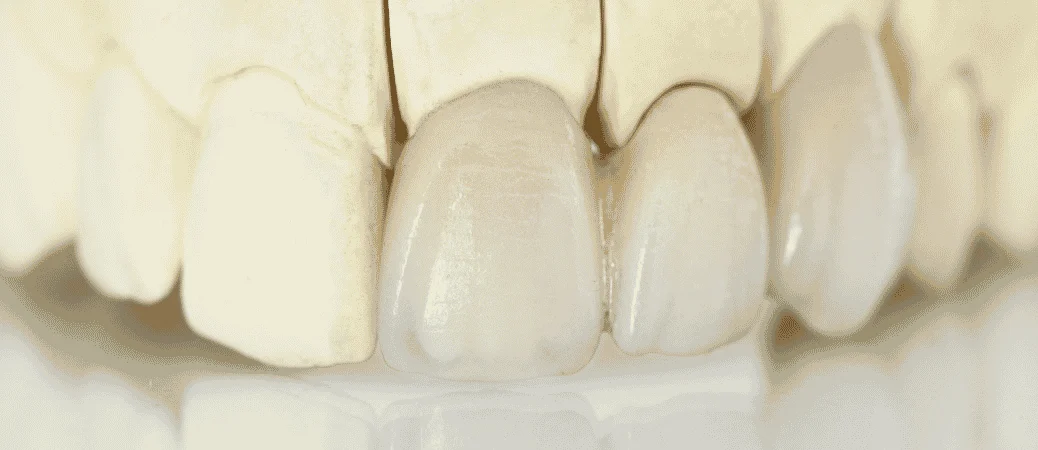
If your crown feels too high, you may notice that tooth touching first when you bite, making chewing feel uneven or uncomfortable.
Most of the time, this settles down on its own within a few days as swelling fades and your mouth learns the new shape.
A crown that still hits first after several days, or causes real pain when you bite, usually needs a simple bite adjustment, not a whole new restoration.
Knowing the difference between normal new-crown awareness and a true high bite can save you unnecessary worry, and it helps you know exactly what to tell your dentist.
This kind of bite discomfort is common after any new dental restoration, and it has clear, fixable causes.
Key Takeaways
- Mild awareness of a new crown is normal, but a crown that still hits first after several days may need a professional bite adjustment.
- Swelling, numbness, and lab variations can all make a crown feel higher than it actually is right after placement.
- Persistent pain, jaw aches, or headaches are signs to call your dentist rather than wait it out.
Does a New Crown Need Time to Feel Natural?
A new crown may need a short adjustment period before it starts to feel completely natural.
Your nerves and jaw muscles are sensitive to even tiny changes in tooth shape, so some awareness right after crown placement is expected and not a sign anything went wrong.
Normal New-Crown Awareness vs. a True High Bite
Normal awareness feels like noticing the crown is there. It might feel smooth, slightly bulky, or just “different” from your natural tooth.
A true high bite feels different. The crown makes contact before your other teeth do, every time you bite, and it may cause a dull ache or sharp discomfort under pressure.
If one side of your mouth touches first consistently, that is worth mentioning to your dentist rather than waiting to see if it fades.
How Long Mild Tenderness and Sensitivity May Last
Even after tenderness fades, it may take a little longer before you stop noticing the crown during normal biting and chewing.
If tenderness is getting worse instead of better during that window, that pattern matters more than the exact number of days.
Why Swelling and Local Anaesthetic Can Change What You Feel
Local anaesthetic numbs your bite reflex, so your bite can feel even and comfortable in the chair, then feel off once feeling returns.
Swelling in the gum tissue around the crown adds to this effect, temporarily making the tooth feel taller than it is.
Both settle down as your body heals. Dental crowns and other dental restorations rely on your bite feeling natural once that swelling clears, which is one reason dentists often ask patients to wait a few days before requesting an adjustment.
Why Does the Crown Hit First When You Bite?
A crown hits first when it sits even slightly taller than the surrounding teeth, creating what dentists call a premature contact.
This small height difference concentrates biting force on one tooth instead of spreading it evenly across your bite.
Premature Contact and Uneven Bite Explained
Your bite, or occlusion, depends on every tooth meeting its opposing tooth at the same time and with even pressure.
A crown that sits even a fraction of a millimeter too tall changes that balance.
When this happens, the crowned tooth absorbs more of the biting forces than it should. Over time, an uneven bite like this can strain the tooth, the gum around it, and the jaw joint.
How Occlusion Changes During Chewing and Jaw Movement
Occlusion is not static. Your jaw shifts slightly during chewing, speaking, and swallowing, so a crown needs to work across a range of movement, not just when your teeth are closed and still.
This is why some patients feel fine biting straight down but notice discomfort when chewing to one side. Jaw movement can reveal a premature contact that a simple bite check misses.
Factors That Can Affect Crown Seating and Bite Records
Several things can affect how accurately a crown fits at the time of placement:
- Slight swelling changing gum shape during the impression or scan
- Local anaesthetic limiting how naturally you can bite
- Small variations in lab fabrication
- The crown material and how it wears against the opposing tooth
- Grinding habits like bruxism placing extra force on the new surface
Digital tools have made bite records more precise. An intraoral scan captured with a digital intraoral scanner reduces the guesswork of older putty impressions, giving your dentist a clearer picture during the dental assessment. Even with this technology, a short chairside adjustment after placement is still routine and expected.
What Symptoms Mean You Should Call Your Dentist?
Pain when biting, jaw pain, or headaches that last more than a few days after crown placement mean it is time to call your dentist.
These symptoms suggest your bite needs a professional look, not more time to adjust.

Pain When Biting and Pressure on the Crowned Tooth
Sharp or throbbing pain when you bite down on the crowned tooth points to pressure on the periodontal ligament, the tissue that anchors your tooth root in the jawbone.
This ligament is very sensitive to extra force, and a high crown can overload it quickly.
Ongoing pressure like this can also lead to gum inflammation around the crown margin. If biting on that tooth still hurts after a few days of gentle eating, do not wait it out.
Jaw Pain, Headaches, and Muscle Strain
Jaw pain, jaw strain, and recurring headaches often mean your jaw muscles are compensating for the uneven contact.
Your jaw naturally shifts to avoid an uncomfortable bite point, which pulls on muscles that were not designed to work that way.
Left alone, this pattern can contribute to temporomandibular joint disorders and ongoing jaw discomfort.
Muscle tension around the temples and jawline, especially after meals or first thing in the morning, is a common early sign.
When Ongoing Symptoms Need More Than a Simple Adjustment
Some symptoms point beyond a routine bite adjustment. Gum recession, visible gum disease, or uneven tooth wear on nearby teeth suggest the problem has been present longer or involves more than crown height.
In these cases, your dentist may need to reassess the crown fitting itself, not just file down a high spot.
What Happens During a Professional Bite Adjustment?
A professional bite adjustment usually takes less than 20 minutes and involves gently reshaping small areas of the crown until your bite feels even.
It is a conservative, well-established part of restorative dentistry, not a redo of your treatment.
How Articulating Paper Identifies Heavy Contacts
Your dentist has you bite down on thin, colored articulating paper, which leaves marks wherever your teeth touch first or hit hardest.
Darker or heavier marks on the crown point to exactly where the high spot sits.
This simple test takes only a minute or two but gives precise, visual proof of where the crown needs adjusting. It is far more reliable than guessing from how the bite feels alone.
Why Dentists Make Small, Conservative Crown Adjustments
Once the high spot is marked, your dentist uses a fine diamond bur to remove a tiny amount of material from that exact spot.
The adjustment is checked and rechecked with fresh articulating paper until the bite marks come out even across all your teeth.
These changes are deliberately small. Removing too much at once could weaken the crown or change how it looks, so dentists work in careful, incremental steps.
When a Crown May Need Re-Seating, Repair, or Replacement
Sometimes a bite adjustment alone will not fix the problem. If the crown was not seated fully during crown placement, or if the crown margin does not fit the tooth correctly, grinding down the surface will not solve the underlying issue.
In those cases, your dentist may need to re-seat the crown, repair a specific area, or, rarely, replace it.
This is also where broader cosmetic dentistry options come in for patients considering their next steps, whether that means exploring porcelain crowns for a future restoration or comparing veneers vs crowns for a different tooth.
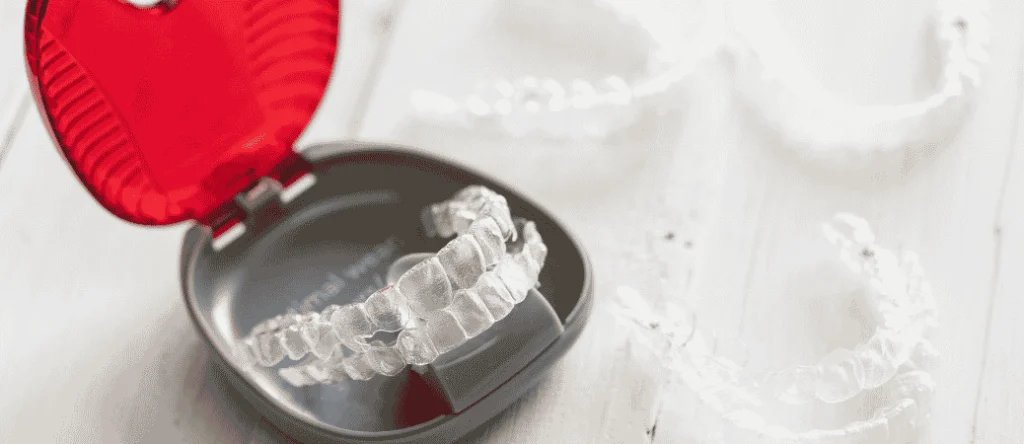
For patients whose bite concerns go beyond one crown, some dentists also address alignment through options like Invisalign, including Invisalign attachments designed to guide tooth movement gradually.
Protecting a Comfortable Bite and a Long-Lasting Crown
Good daily habits and regular dental exams keep a crown comfortable for years after the initial adjustment period ends.
Crown care does not stop once your bite feels right; it becomes part of your normal oral hygiene routine.

Post-Adjustment Care for the First Few Days
Stick to softer foods and chew on the opposite side for a day or two after any adjustment. This gives the tooth and surrounding gum tissue time to settle without added pressure.
Mild sensitivity to hot or cold after an adjustment is normal and usually fades within a few days.
Daily Cleaning Around a Crown and Gumline
Plaque and tartar buildup around a crown margin can lead to gum inflammation, which sometimes mimics bite discomfort. Daily cleaning prevents this.
A solid routine includes brushing twice daily, cleaning between your teeth every day, and paying special attention to the gumline around the crown.
Regular professional cleanings can also remove plaque and tartar that are difficult to reach at home.
How Regular Check-Ups Help Detect Wear and Bite Changes
Regular dental check-ups catch small bite changes before they turn into bigger problems. Teeth shift slightly over time, and a crown that fit perfectly last year may need a minor tweak later.
Routine dental maintenance, paired with your own attention to how your bite feels day to day, keeps small issues from becoming painful ones.
If you’re weighing a crown against other repair options for a damaged tooth, this overview of saving a cracked tooth without a crown walks through the alternatives worth discussing at your next visit.
Prompt Care Restores a Balanced, Comfortable Bite
A high crown is one of the most fixable problems in restorative dentistry. Most cases resolve with a short, precise bite adjustment rather than a new restoration, and catching the issue early protects your tooth, your jaw, and the crown itself.
Mild awareness after a new crown is normal for a few days. Pain that lingers, jaw strain, or a crown that keeps hitting first is not something to just live with.
Frequently Asked Questions
How do I know if my new crown is actually too high?
You will notice the crowned tooth touching before your other teeth every time you bite down, along with soreness that does not fade after a few days.
If chewing on that side feels uncomfortable no matter what you eat, that is a sign of a true high bite rather than normal new-crown awareness.
Will a crown that feels too high settle down on its own?
Mild cases often improve within 48 to 72 hours as swelling goes down and you adjust to the new shape. A crown that still feels high or painful after that window usually needs a professional bite adjustment rather than more waiting.
Does a bite adjustment hurt after crown placement?
No, a bite adjustment is typically painless and often does not require anesthesia. Your dentist removes tiny amounts of material from the crown’s surface, so most patients feel pressure at most, not pain.
Can a temporary crown feel too high when I bite?
Yes, a temporary crown can feel high for the same reasons a permanent one can, including swelling and minor fitting differences.
Since temporary crowns are meant to be adjusted easily, mention any high bite to your dentist before your permanent crown is placed.
Why does my crown hurt when I put pressure on it?
Pain under pressure usually means the crown is absorbing more biting force than it should, which irritates the periodontal ligament around the tooth root. This is a classic sign of a premature contact that needs a bite adjustment.
Can I file down a crown that feels too high at home?
No, you should never attempt to adjust a crown yourself. Filing at home can damage the crown material, create rough edges that irritate your gums, or make the bite worse; only a dentist can safely identify and correct the exact high spot.