

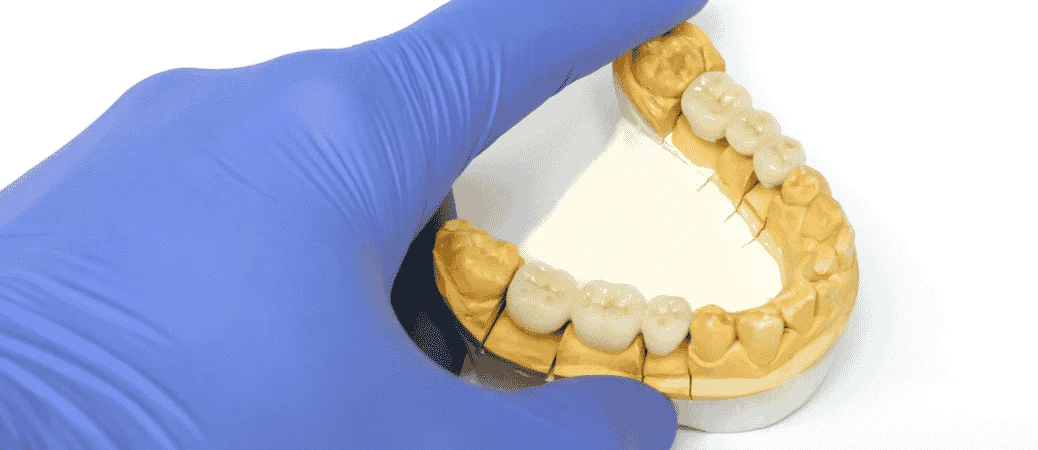
Skipping the replacement of a missing back molar might not seem like a big deal at first. It does not show when you smile, and your mouth may feel fine right after the tooth is gone.
But your bite does not stay the same over the next five years, and small changes early on can add up to bigger problems with jaw comfort, chewing, and long-term dental health.
You might be wondering why one back tooth would matter so much. Your molars do most of the heavy work when you chew, and they help keep your bite stable.
When molar loss happens, your other teeth and jaw have to adjust, and that adjustment does not happen overnight.
It builds slowly, year by year, which is why understanding the timeline can help you plan ahead instead of being surprised later.
This article walks you through the consequences of not replacing a missing molar.
You will see how your jawbone responds early on, how nearby teeth shift over time, and how these changes can affect your comfort and oral health down the road.
You will also learn about your replacement options and why planning sooner rather than later can make things easier for you.
Key Takeaways
- Losing a back molar changes how your bite works, even though the gap is hidden.
- Your jawbone and nearby teeth begin adjusting within the first year and keep shifting over the next five.
- Replacing the tooth early can help protect your jaw comfort and support your long-term dental health.
Table of Content
- Why Back Molars Matter to Your Bite
- The First Year: Bone Remodeling and Early Bite Changes
- Years One Through Five: Shifting Teeth and Force Redistribution
- How a Missing Molar Can Affect Jaw Comfort and Facial Support
- Replacement Options and the Value of Early Planning
- Frequently Asked Questions
Why Back Molars Matter to Your Bite
Your back molars do most of the heavy lifting when you eat, and they help keep your bite balanced from side to side. When one goes missing, the effects on your jaw and remaining teeth can build up over time.
How Molars Absorb Chewing Forces
Your molars are built for one main job: grinding food down so you can swallow it safely. They have wide, flat surfaces and strong roots that let them handle much more pressure than your front teeth.
In fact, back teeth bear the majority of chewing forces compared to any other teeth in your mouth. This is because your jaw muscles have the most leverage at the back of your mouth.
When a molar is missing, your other teeth have to pick up the slack. This can wear them down faster and make chewing feel less efficient overall.
Posterior Support and Bite Balance
Your back teeth act like pillars that hold your bite steady. They keep your upper and lower teeth lined up and stop your jaw from shifting out of place.
If you lose a back molar, that support disappears from one spot. Your bite alignment can slowly change as nearby teeth tilt or drift into the open space.
This shift doesn’t just affect your smile. It can throw off your chewing efficiency, leading to uneven wear on other teeth and, in some cases, jaw discomfort.
If you also grind or clench your teeth, learn how jaw clenching can damage your teeth and place additional stress on your smile.
Your jaw function depends on all your teeth working together. When one piece is missing, the whole system has to adjust.
When a Missing Second Molar May Matter Less
Not every missing molar causes the same level of trouble. If you’re missing a second molar, and your first molar and premolars are healthy, your bite may stay fairly stable.
This is especially true if you don’t have wisdom teeth or if they were removed years ago. With fewer teeth competing for space, there’s less pressure pushing neighboring teeth out of position.
That said, “matters less” doesn’t mean “doesn’t matter at all.” Your dentist can check whether your specific gap is affecting your chewing function or bite balance, and let you know if a replacement is worth considering for your situation.
The First Year: Bone Remodeling and Early Bite Changes
Losing a back molar sets off changes right away, even if you don’t notice them at first. Your jawbone starts to shrink, and your bite may already begin to shift within a few months.

Healing After Tooth Extraction
Right after tooth extraction, your body gets to work healing the socket where the tooth used to be. A blood clot forms in the first few days, and your gum tissue starts to close over the area within a couple of weeks.
This part feels simple, but it’s just the start of bigger changes. While the surface heals fast, the bone underneath goes through a much slower process.
You might think everything is fine once the gum looks healed. But tooth loss sets off changes deep in your jaw that you can’t see from the outside.
This is why dentists often recommend planning your next steps early, even if the area feels okay.
Why Jawbone Resorption Begins
Your jawbone needs pressure from chewing to stay strong. Once a molar is gone, that pressure disappears in that spot.
Without stimulation, your body starts to break down the unused bone. This process is called bone resorption, and it can start within the first three to six months after you lose a tooth.
During this time, you may lose both bone width and bone height in the empty space. Here’s what typically happens to your jawbone in year one:
- Months 1-3: Bone width starts to decrease
- Months 3-6: Bone density drops in the area
- Months 6-12: Bone height may also decline
This early bone loss doesn’t hurt, so you likely won’t feel it happening. But it can affect your jawbone volume enough to make future tooth replacement more complex if you wait too long.
Early Changes in Chewing Patterns
Once your molar is gone, you naturally start chewing differently. You may find yourself favoring the other side of your mouth without even trying.
This shift can lead to uneven chewing patterns fairly quickly. Your jaw muscles on the side you use more can get slightly tighter or more tired by the end of the day.
You might also notice food doesn’t break down as evenly as before. Some people bite down harder on one side, which can wear down those teeth faster over time.
These changes seem small in year one. But they can set the stage for bigger bite problems if the molar stays missing for years to come.
Years One Through Five: Shifting Teeth and Force Redistribution
Once a back molar is gone, your mouth doesn’t just leave that space empty.
Over the next five years, your surrounding teeth start to shift, your bite forces move to new spots, and small problems can turn into bigger ones if you wait too long to act.
If tooth loss becomes more extensive, restoring stable chewing support becomes even more important.
Implant dentures can restore most of your natural bite force, but they usually do not match the full strength of healthy natural teeth.
Adjacent Teeth Tilting Into the Gap
The teeth next to your missing molar don’t like having an open space beside them. Without a neighbor to lean on, they slowly start to tip into that gap.
This is called tooth drifting, and it usually happens gradually over months and years, not overnight.
As these teeth tilt, they create tricky angles for chewing. Your bite may start to feel a little off, even if you can’t pinpoint why.
You might also notice new gaps forming between teeth that used to sit close together. This tooth shifting can make your smile look different and make it harder to keep those areas clean.
Opposing Tooth Over-Eruption
Here’s something you might not expect: the tooth on the opposite jaw, the one that used to bite against your missing molar, doesn’t just stay put.
With nothing to stop it, that opposing tooth can slowly grow downward or upward into the empty space.
Dentists call this over-eruption, or sometimes supraeruption. It sounds odd, but it makes sense once you think about it.
Teeth are meant to touch something when you bite down, and if that contact disappears, the tooth keeps moving to try to find it.
Over time, this can throw off your whole bite pattern. You may notice your jaw feels tired after eating, or that chewing feels uneven on one side.
Wear, Cracks, and Food Traps
With your bite forces now landing in new places, your remaining teeth take on extra work they weren’t built for.
This uneven load can speed up tooth wear and raise your risk of cracked teeth, especially on the ones doing double duty near the gap.
New gaps between shifting teeth also make great hiding spots for food. Food trapping isn’t just annoying, it’s a real risk factor for cavities and gum disease.
Over five years, these small daily habits add up. Trapped food that isn’t cleaned out can lead to tooth decay and even periodontal disease if plaque builds up along the gum line near the gap.
How a Missing Molar Can Affect Jaw Comfort and Facial Support
When you lose a back molar, your jaw and face can feel the effects too. Your bite may shift, your jaw muscles can get strained, and over time, your face shape might even change.
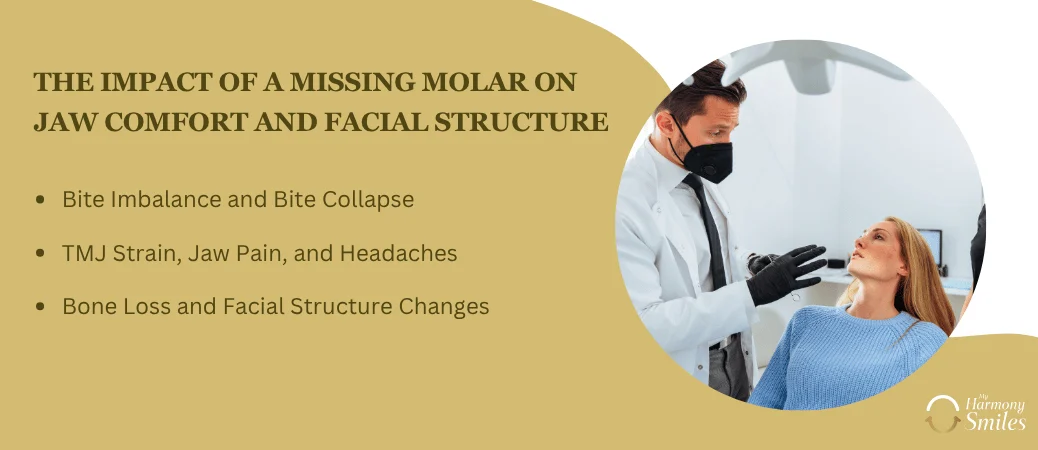
Bite Imbalance and Bite Collapse
You use your molars to grind food and hold your bite steady. Without one, your teeth can start to shift toward the empty space.
This can lead to bite imbalance, where your teeth don’t line up the way they used to. You might notice you’re chewing more on one side of your mouth without even trying.
Over time, this can turn into bite collapse. That’s when your back teeth lose height and your bite gets shorter, causing more bite problems and bite issues throughout your mouth.
Your remaining teeth end up doing extra work. That extra pressure can wear them down faster and make chewing feel less even than before.
TMJ Strain, Jaw Pain, and Headaches
Your jaw relies on your temporomandibular joints, often called TMJ, to open and close smoothly.
When your bite shifts after losing a molar, these joints can end up working harder than they should.
This extra strain can lead to jaw discomfort or ongoing jaw pain. Your jaw muscles may feel tight or sore, especially after eating or talking a lot.
Some people notice TMJ pain that spreads toward the ear or side of the face. Headaches are also common, since jaw muscles connect closely to muscles in your head and neck.
Bone Loss and Facial Structure Changes
Your jawbone needs stimulation from your tooth roots to stay strong. Once a molar is gone, that area of bone slowly begins to shrink through a natural process called jawbone loss.
This kind of bone loss doesn’t just affect your mouth. It can also change your facial structure over time, especially in the lower part of your face near the missing tooth.
You might not notice facial changes right away. But after a few years, missing back teeth can make your face look slightly shorter or your cheeks appear more sunken.
This sunken facial appearance tends to be subtle at first. Still, it’s one more reason why replacing a missing molar sooner rather than later can help protect both your bite and your natural face shape.
Replacement Options and the Value of Early Planning
You have three main paths for tooth replacement when a molar goes missing: implants, bridges, and partial dentures.
Each option has different costs, timelines, and effects on your bite, so acting early gives you more choices and better long-term results.


Dental Implants for Molar Replacement
A dental implant is often the strongest way to replace a missing molar. The implant treatment starts with implant placement, where a titanium post goes into your jawbone to act like a new tooth root.
Over the next few months, your bone fuses with the post. Then a crown gets attached on top, giving you a tooth that looks and works like the real thing.
If you wait too long to replace a molar, you may lose bone density in that area. This can mean you need a bone graft before an implant can be placed, which adds time and cost.
Getting an implant sooner rather than later often means simpler treatment and a lower chance of needing bone grafting at all.
Dental Bridges and Fixed Bridges
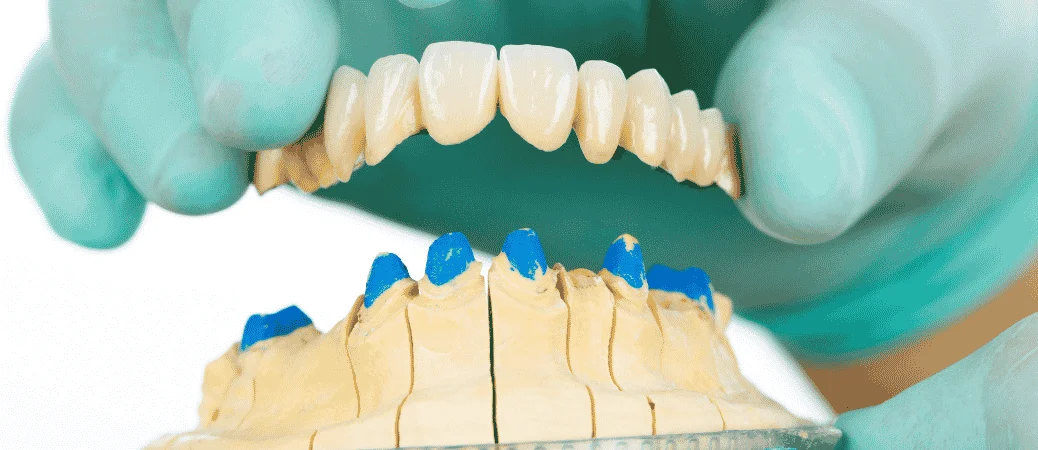
A dental bridge is another solid choice for replacing a single missing tooth. A fixed bridge uses the teeth on either side of the gap as anchors, with a false tooth placed in between to fill the space.
This option doesn’t require surgery like an implant does, so it can be faster to complete. But it does mean shaping down your two neighboring teeth to hold the bridge in place, which some people prefer to avoid.
Bridges tend to last 10 to 15 years before needing replacement. They also help stop nearby teeth from shifting into the empty space, which supports your bite alignment over time.
Partial Dentures and Monitoring an Unreplaced Gap
A removable partial denture is a lower-cost way to fill in for missing back teeth. It’s a removable piece that fits around your existing teeth to replace one or more missing molars.
Partial dentures cost less upfront than implants or bridges, but they need daily cleaning and adjustments over time. They also don’t stop bone loss under the gap the way an implant does.
If you decide to leave a gap unreplaced, keep an eye on it. Watch for signs like teeth drifting, a change in how your jaw feels when you bite down, or the opposing tooth over-erupting into space.
Regular dental checkups can catch these changes early, before they turn into bigger problems with your other teeth or your jaw.
Frequently Asked Questions
Losing a back molar sets off a chain of small changes that build up over time, affecting how your teeth line up, how your jaw feels, and how well you chew.
Here are answers to common questions about what happens when you skip replacing that missing molar.
How long can you go without replacing a missing back molar?
There is no set deadline, but waiting longer usually means more problems. Some people wait months, others wait years, but bone loss and shifting teeth tend to speed up the longer the gap stays open.
Within the first year, you may not notice much. But by the two or three year mark, your bite can start to feel different, and the jawbone under the gap begins to shrink.
What happens to your bite if you do not replace a back molar?
Your bite relies on your back teeth to handle most of the pressure from chewing. When a molar is missing, that pressure shifts to other teeth, which can throw off your bite balance and stability.
Over time, this can lead to uneven wear on your remaining teeth. Some teeth may take on more force than they are built for, which can wear them down faster than normal.
Will nearby teeth shift into the space left by a missing molar?
Yes, this is one of the most common effects of leaving a molar gap unfilled.
Teeth next to the space often lean or drift inward, and the tooth above or below the gap may grow longer than it should since it no longer has a matching tooth to bite against.
This drifting doesn’t happen overnight. But within a few years, you may notice gaps forming between other teeth or your bite feeling less even.
Can a missing back molar cause jaw pain or problems chewing?
Yes, it can. When your bite shifts because of a missing molar, your jaw joint has to adjust to the new alignment, which can lead to jaw pain and joint problems over time.
You might also find it harder to chew certain foods, especially on the side where the tooth is missing. Some people shift their chewing to the other side, which can create its own set of problems from uneven use.
Is it bad to leave a missing molar untreated for several years?
Leaving a missing molar untreated for several years can lead to more serious issues than if you had addressed it early.
The jawbone at the missing tooth site can shrink significantly, which may limit your options for replacement later on.
Your bite may also become more difficult to correct the longer you wait. What starts as a small gap can turn into a bigger dental project down the road.
What are the options for replacing a missing back molar?
Dental implants are one common option, and they can help restore chewing function while also supporting the jawbone. Bridges and partial dentures are other choices, depending on your specific situation and what your dentist recommends.
Your dentist can walk you through which option fits your mouth, budget, and timeline best. Acting sooner rather than later gives you more choices and often leads to a simpler treatment process.