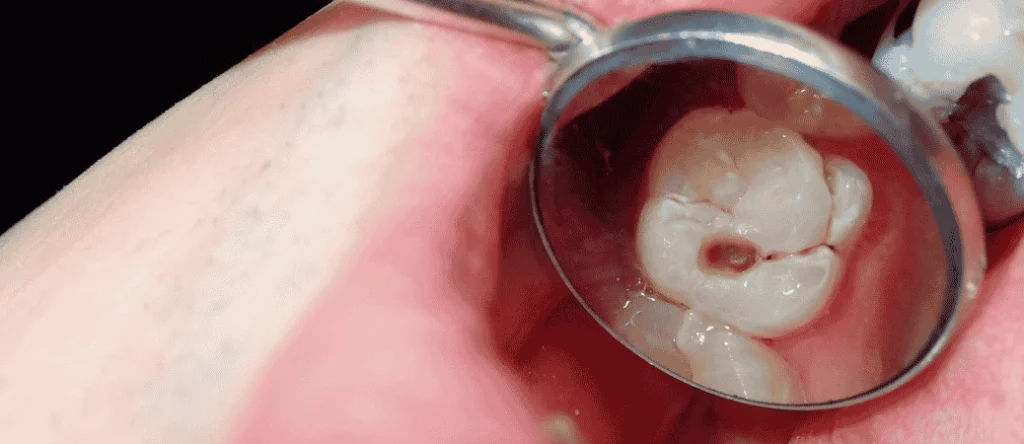


Implant dentures should feel secure, but they should not feel oversized or heavy in your mouth. If your smile feels bulky, you may notice speech changes, pressure on your gums, or trouble chewing.
Implant dentures often feel bulky because of extra base material, swelling during healing, poor fit, or changes in your jawbone and bite.
New dentures can also seem large at first while your mouth adjusts. In some cases, the denture design or thickness adds more material than your mouth needs for support.
You do not have to live with discomfort. When you understand what causes that bulky feeling, you can take clear steps to improve comfort and enjoy a better fit.
Key Takeaways
- Extra material, healing changes, or fit issues can make implant dentures feel bulky.
- New dentures may feel large until your mouth adjusts.
- Proper adjustments and design changes can improve comfort and fit.
Explore solutions for bulky feeling implant dentures and improve your comfort
Why Implant Dentures Can Feel Bulky
Implant dentures can feel bulky when the fit is off, when too much base material sits against your gums, or when the design does not match your mouth. Even though dental implants add stability, the denture portion still needs the right shape and thickness to feel natural.

Fit and Adjustment Issues
If your implant-supported dentures feel bulky, the fit may need adjustment. Even small pressure points can make the denture feel larger than it is.
When your dentist first places your dentures, your gums and bone may still change shape as they heal. Swelling or minor shifts can make the denture press too firmly against certain areas. That pressure can create a full or crowded feeling in your mouth.
You may also notice speech changes, cheek biting, or sore spots. These signs often mean the denture base needs trimming or reshaping.
Regular follow-up visits matter. Your provider can adjust the underside of the denture so it rests evenly on the implants and soft tissue. Proper adjustment often reduces the bulky feeling without replacing the entire denture.
Excessive Acrylic or Base Material
Implant-supported dentures use an acrylic or similar base to hold the replacement teeth. If that base is too thick, you will feel it right away.
Traditional dentures often need extra material for support. With dental implants, you usually need less coverage because the implants anchor the denture in place. When the base extends too far along the gums or palate, it can feel heavy and bulky.
Common problem areas include:
- The roof of your mouth (for upper dentures)
- The inner side near your tongue
- The outer flange against your cheeks
In some cases, labs add extra thickness for strength. But too much acrylic can crowd your tongue space and affect how you speak and chew. Your dentist can often thin or contour the base to improve comfort while keeping the denture strong.
Impact of Denture Design
The overall design of your dentures plays a major role in how bulky they feel. This includes tooth size, arch shape, and how the denture connects to the implants.
Some systems use bars or clips to secure implant-supported dentures. If the framework sits too high or wide, you may feel extra fullness along your gums.
Fixed options like All-on-4 bridges are designed to sit closer to the ridge, and many patients report they feel more streamlined compared to removable options.
Tooth placement also matters. Teeth that tilt too far outward can push against your lips and cheeks. That can make your smile look and feel larger than expected.
A well-designed denture should match:
- Your jaw width
- Your bite position
- Your natural facial shape
When design matches your anatomy, bulky dentures become much less likely.
New Dentures and the Adjustment Period
When you first get new dentures, they often feel larger than expected. Your mouth needs time to adjust to the new shape, pressure, and tooth position.
Normal Sensations with New Prosthetics
New dentures can feel bulky during the first few weeks. Your lips, cheeks, and tongue must adapt to the restored tooth height and fullness.
You may notice:
- A feeling of pressure on your gums
- Mild sore spots
- Extra saliva
- A sense that your mouth is “too full”
This reaction is common. Many patients describe the first week as feeling like they have something foreign in their mouth.
Your dentist designs dentures to restore lost bone and tooth structure. That added structure can make them feel big at first. If pain becomes sharp or does not improve, your dentist may need to adjust the fit.
Speaking and Eating Challenges
You may struggle with speech in the beginning. Words with “s,” “f,” and “th” sounds often feel harder to pronounce.
Your tongue now moves around a different surface. It must relearn where to touch to form clear sounds.
Eating can also feel awkward. Dentures rest on gum tissue, not natural tooth roots, so they respond differently to pressure.
To make meals easier:
- Start with soft foods
- Cut food into small pieces
- Chew slowly and evenly on both sides
This process helps your jaw muscles learn how to control the dentures. Practice improves stability and confidence.
How Long Does It Take to Adjust?
Most people need at least two weeks to feel more comfortable. Full adjustment can take several months.
During the first 30 days, your gums, jaw muscles, and tongue learn how to work with the appliance. Minor sore spots are common, especially after long wear.
Your dentist may schedule follow-up visits to relieve pressure areas. Small changes can greatly improve comfort.
If bulky sensations continue beyond a few months, the dentures may need relining or further adjustment. Normal adaptation should show steady improvement, not worsening discomfort.
Patience and regular checkups help you move through this period more smoothly.
Fit Problems and Oral Anatomy Changes
Your implant dentures rely on stable bone and healthy gum tissue to feel balanced and secure. When your mouth changes shape, even slightly, your dentures can start to feel thick, heavy, or awkward.
Changes in Jawbone and Gum Support
Your jawbone supports your dentures, even when you wear implant-supported dentures. If the bone or gum tissue shifts, the denture base may not sit as close to your gums as it should.
You might notice:
- A feeling of extra pressure along the gums
- Spaces between the denture and tissue
- A bulky or raised sensation along the palate or lower ridge
New dentures can feel large at first because they must replace both teeth and lost tissue. Some fullness is normal during the first few weeks. But if your bite feels uneven or your cheeks feel stretched, the fit may need adjustment.
A dentist can adjust the base, reshape edges, or check how your implants support the denture.
Effects of Bone Loss Over Time
Bone loss continues after tooth removal. Even with implant-supported dentures, the bone around natural areas of the jaw can slowly shrink.
As the ridge becomes shorter or narrower, your denture may feel:
- Thicker than before
- Less stable during chewing
- Loose in certain spots
Many people notice a slow change in fit due to natural jaw shrinkage. This process explains why some patients feel their dentures are too big as the jawbone shrinks over time.
When this happens, your dentist may suggest:
- A reline to improve contact
- Bite adjustment
- Replacing worn attachments in implant-supported dentures
Act early if your dentures feel bulky or unstable. Small changes in bone shape can lead to bigger comfort problems if you wait too long.
Material Differences in Denture Construction
The material used to build your implant dentures affects how thick they feel in your mouth. Base material, framework type, and design choices all change the final size and weight of your dentures.
Acrylic versus Metal Framework
Most fixed dentures use an acrylic base to hold the teeth and attach to implants. Acrylic needs a certain thickness to stay strong and resist cracks. If your dentist adds extra acrylic for strength, you may notice more bulk along the palate or gum line.
Acrylic also covers more surface area to spread out bite pressure. That coverage can make the upper denture feel wide or full against your tongue.
Partial dentures often use a metal framework under a thinner acrylic layer. Metal is stronger than acrylic, so it can be made thinner while still staying stable. This slim design can reduce bulk, especially along the roof of your mouth.
Modern materials play a big role in comfort. Not all denture materials perform the same, and some options feel lighter and more natural.
If your implant denture feels thick, the base material may be part of the reason.
Flexible Resin Options
Some partial dentures use flexible resin instead of rigid acrylic or metal. This material bends slightly when you insert or remove it. Because it flexes, it may need extra thickness in certain areas to avoid tearing.
Flexible resin often wraps around your gums for support. That wraparound design can feel bulky at first, especially near your cheeks.
You may also notice:
- A softer feel against the gums
- Less visible metal
- More coverage over natural teeth
Flexible dentures can improve comfort for some people. Still, if the resin base is too thick, it can press on your tongue or trap food.
If you feel crowding in your mouth, ask whether a thinner or different material would still give you enough strength and support.
Design for Full and Partial Dentures
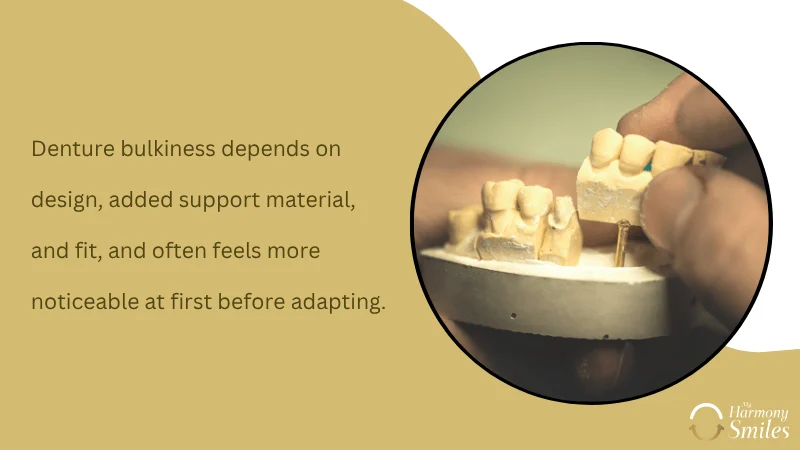
The design of your dentures affects thickness just as much as the material.
Full implant dentures often include a solid base that replaces both teeth and lost gum tissue. If you have bone loss, your dentist may add more material to restore lip and cheek support. That added volume can make the denture feel larger.
Partial dentures work differently. They fill gaps between natural teeth, so the base may sit only in certain areas. However, they still need connectors and support arms, which add structure.
If a denture looks or feels too big, it may relate to how it was shaped or balanced. Many people report that dentures seem oversized at first, especially when they are new.
When your denture matches your mouth shape closely, it usually feels less bulky and more stable.
Improving Comfort and Reducing Bulk
You can reduce a bulky feeling by adjusting the shape, improving the fit, and using the right support products. Small changes in how your dentures sit on your gums often make a clear difference in comfort.
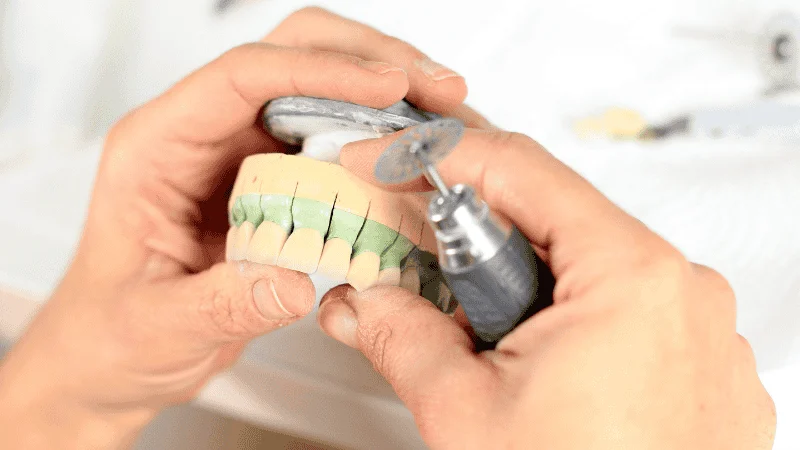
Professional Adjustments and Trimming
If your implant dentures feel too thick or large, your dentist can adjust them. They may carefully trim extra acrylic from areas that press on your lips, cheeks, or tongue.
When dentures look or feel oversized, they can affect speech and chewing. A dental professional can reshape certain areas without damaging the structure.
You should not try to file or trim dentures at home. Removing too much material can weaken the base or change how the implants connect.
Common adjustment areas include:
- The flange that rests against your gums
- The inner surface that touches your tongue
- The biting surface that feels too tall
Small changes can improve comfort while keeping your implant dentures secure.
Relining for a Better Fit
Your jawbone and gum tissue change shape over time. Even implant-supported dentures can feel bulky if the base no longer fits your mouth closely.
A denture reline adds a new layer of material to the inside of your dentures. This helps them sit more closely against your gums. When dentures feel too big for your mouth, relining often improves comfort and reduces sore spots.
Relining can:
- Improve contact between dentures and gum tissue
- Reduce movement that causes rubbing
- Make the denture base feel less thick
If bone loss has changed your jaw shape a lot, your dentist may suggest new dentures instead of another reline.
Role of Denture Adhesive
Implant dentures usually snap onto implants, but some designs still benefit from denture adhesive. A thin layer can reduce minor movement that makes dentures feel bulky.
Movement often creates pressure points. When dentures shift, your muscles work harder to keep them in place. This can make them feel larger than they are. Use adhesive only as directed. Apply a small amount and spread it evenly.
Keep in mind:
- Adhesive should not replace needed adjustments
- Too much adhesive can increase thickness
- Persistent looseness requires a dental visit
When your dentures fit well and stay stable, they feel lighter and more natural in your mouth.
Implant-Supported and Partial Denture Solutions
You can reduce bulk and improve comfort by choosing the right type of denture design. The right support system changes how thick the base must be and how secure your teeth feel.
Advantages of Implant-Supported Dentures
Implant-supported dentures attach to dental implants placed in your jawbone. These small titanium posts act like tooth roots and hold your denture in place.
Because implants provide strong support, your dentist does not need to make the denture base as thick to create suction. This often makes the denture feel slimmer and more stable. You also avoid heavy adhesives.
Many people choose implant-supported dentures because they anchor directly to the jaw instead of resting only on the gums. This design can:
- Reduce movement when you chew
- Improve speech clarity
- Lower pressure on soft tissue
- Help slow bone loss in the jaw
You feel more control when eating firm foods. Less shifting also means fewer sore spots.
If your current denture feels bulky due to poor stability, adding dental implants may allow for a thinner, better-shaped replacement.
Custom Partial Dentures for Comfort
If you still have healthy natural teeth, partial dentures may solve the bulky feeling. A well-designed partial replaces only the missing teeth instead of covering your entire arch.
Traditional partials rest on your gums and use nearby teeth for support. Newer designs, including implant-assisted options, can improve fit and reduce thickness.
An implant-supported partial denture anchors to implants instead of relying only on natural teeth. This approach can:
- Increase stability
- Reduce stress on nearby teeth
- Allow a slimmer base
- Improve comfort during chewing
Your dentist can shape the framework to match your bite and mouth shape. A custom fit keeps the denture from feeling oversized or heavy.
When you choose a partial that fits your exact needs, you avoid extra material and gain a more natural feel.
Frequently Asked Questions
Implant dentures can feel bulky for several clear reasons. The cause often relates to normal adjustment, denture size, tooth position, or the thickness of the base and palate.
Is it normal for new dentures to feel bulky at first?
Yes. New dentures often feel larger than natural teeth because they sit on top of your gums instead of being anchored in bone.
Many people notice this during the first few weeks. If the bulky feeling improves each week, that usually means your mouth is adapting.
How can I tell if my dentures are too big or poorly fitted?
You may notice sore spots, redness, or swelling along your gums. Your dentures might shift when you talk or chew.
Ongoing pain, trouble biting, or movement can signal that the denture base is too large or not shaped well. These signs often appear when dentures are not fitted closely to your gums.
If problems continue after the normal adjustment period, ask your dentist to check the fit.
Why do my dentures make my upper lip stick out?
Your upper denture supports your lip. If the front flange or teeth sit too far forward, your lip can look pushed out.
Extra acrylic in the front of the denture can also add fullness. A dentist can often reduce or reshape this area to create a more natural profile.
Why do my dentures make my face look different, like a “horse” or “monkey mouth”?
This usually happens when the front teeth are set too far forward or too long. The angle of the teeth and the thickness of the denture base both affect how your face looks.
If the bite is too far out, your lips may not close easily. Careful adjustment of tooth position and bite alignment can improve facial balance.
What does it mean if the palate of my denture feels too thick?
The palate is the part that covers the roof of your mouth. It must have enough thickness for strength, but too much material can feel heavy or bulky.
Some patients say it affects their speech or sense of taste. A dentist can sometimes thin the palate slightly, as long as the denture stays strong.
What can my dentist adjust if the denture teeth feel too large?
Your dentist can reshape or reduce certain tooth surfaces. They can also adjust how the upper and lower teeth meet.
If the teeth look too big for your face, the dentist may recommend resetting them or remaking the denture. Small changes in tooth size or position can make a noticeable difference in comfort and appearance.