

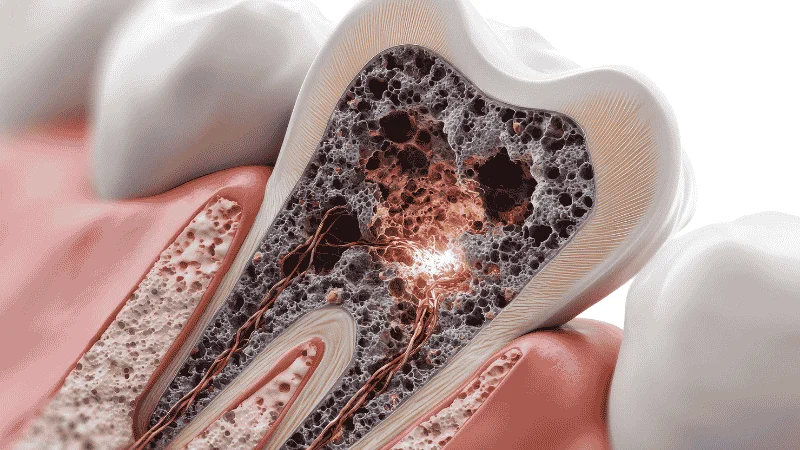
You may think tooth decay only affects your teeth. Cavities can start small, but they do not always stay that way. When you ignore dental caries, the damage can spread beyond your mouth.
Yes, severe tooth decay can affect your overall health by causing infections that may spread through your body and lead to serious problems.
As decay moves deeper into a tooth, it can reach the nerve and form an abscess. In rare cases, that infection can spread and become life-threatening.
Untreated cavities can also affect how you eat, speak, and feel about your smile. When you understand these risks, you can take simple steps to protect both tooth decay and overall health.
Key Takeaways
- Severe tooth decay can lead to infection that may spread beyond your mouth.
- Cavities can cause pain, tooth loss, and problems with eating and daily life.
- Early dental care and good oral hygiene help protect your whole body.
How Tooth Decay Begins and Progresses
Tooth decay starts with plaque and oral bacteria, then slowly damages your tooth enamel. If you do not stop it early, it can lead to cavities, pain, and even infection.
Role of Oral Bacteria and Plaque Formation
Your mouth holds many types of oral bacteria. When you eat or drink, especially sugary or starchy foods, these bacteria feed on those sugars.
They form a sticky film called plaque that coats your teeth. Plaque builds up along the gumline and between teeth if you skip brushing or flossing.
As bacteria digest sugar, they produce acid. This acid attacks your tooth enamel, which is the hard outer layer that protects your teeth.
If you do not remove plaque each day, it can harden into tartar. Tartar sticks tightly to your teeth and makes it harder to clean your mouth. Poor oral hygiene allows this cycle to continue, increasing your risk of dental caries.
Destruction of Tooth Enamel and Cavity Development
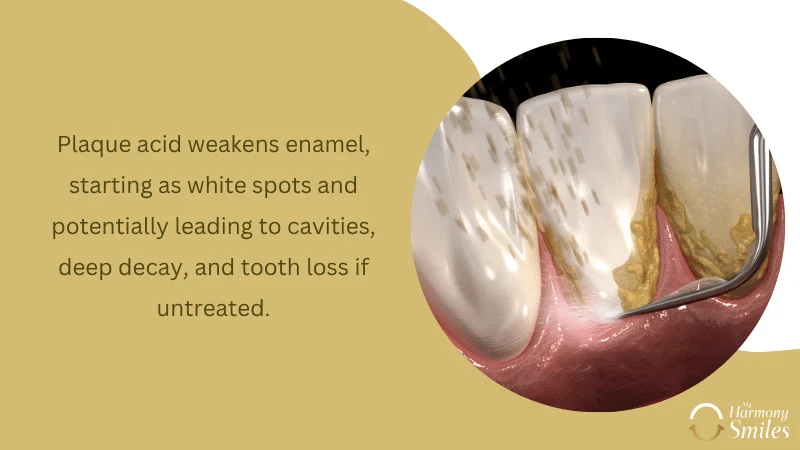
Acid from plaque slowly wears down your tooth enamel. At first, you may see white spots on your teeth. This means minerals are leaving the enamel.
If the damage continues, the enamel breaks down and forms a small hole. That hole is a cavity, also called dental caries.
Bacteria keep producing acid as long as they have sugar to feed on. If the enamel cannot repair itself fast enough, decay moves deeper into the tooth.
Once decay reaches the inner layer, called dentin, it spreads faster. Without treatment, you may end up with severe decay, infection, or even rotten teeth that need removal.
Symptoms and Warning Signs to Watch For
Early tooth decay often does not cause pain. That is why regular dental visits matter.
As cavities grow, you may notice tooth sensitivity when you eat hot, cold, or sweet foods. This happens because the protective enamel has weakened.
You may also feel a dull or sharp toothache. Pain usually gets worse when decay reaches the nerve inside your tooth.
Other warning signs include:
- Bad breath that does not go away
- Dark spots or visible holes in your teeth
- Swelling around a tooth
- Pain when you bite down
If you act at the first signs, you can stop small problems from turning into serious ones.
Direct Oral Health Consequences of Severe Decay
Severe tooth decay does more than create small holes in your teeth. It can damage your gums, cause infections, and lead to tooth loss that changes how you eat and speak.
Gum Disease and Oral Infections
When you leave cavities untreated, bacteria do not stay in one spot. They spread to your gums and can trigger gum inflammation.
At first, your gums may look red or swollen and bleed when you brush. This early stage can turn into gum disease, also called periodontal disease, if you do not treat it.
Over time, the infection moves deeper and damages the tissue and bone that hold your teeth in place.
Severe decay also raises your risk of a serious oral infection. Bacteria from untreated cavities can enter the pulp inside your tooth and then spread to nearby tissues.
This can cause swelling in your face or jaw and may require urgent dental care. For this, you need gum rejuvenation, a gentle treatment that improves the health and appearance of your gums.
Research on the oral-systemic connection shows that bacteria and inflammation in your mouth can affect other parts of your body. Keeping decay under control helps limit this risk.
Risk of Tooth Loss and Abscesses
If decay destroys too much of your tooth, your dentist may not be able to save it with fillings. In advanced cases, you may need a root canal or even removal.
An abscessed tooth forms when bacteria create a pocket of pus at the root. You may notice severe pain, swelling, or a bad taste in your mouth.
An abscess does not heal on its own. Without treatment, the infection can spread to your jaw or other areas and lead to tooth extraction.
Long-term decay often leads to tooth loss. Missing teeth affect how you chew and speak. You may need bridges, implants, or dentures to restore function.
Many dental experts warn that untreated tooth decay can lead to infections that spread. Acting early lowers your risk of losing teeth and facing more complex treatment.
Pain, Discomfort, and Aesthetic Impact
Severe decay often causes a constant toothache. The pain may feel sharp when you bite or dull and throbbing at night.
You may also develop tooth sensitivity. Hot drinks, cold air, or sweet foods can trigger sudden pain because the protective enamel has worn away.
As teeth break down, you might notice dark spots or even rotten teeth with visible damage. This can lead to bad breath that does not improve with brushing. The odor often comes from bacteria trapped in deep cavities.
Pain and visible damage can make you avoid smiling or talking. You may also change how you chew to avoid discomfort, which can strain other teeth and muscles in your jaw.
Systemic Health Risks Linked to Untreated Tooth Decay
Severe tooth decay does more than damage your teeth. It can allow oral bacteria to move into your bloodstream, raise inflammation, and affect major organs.
Infections Spreading Beyond the Mouth
When you ignore deep cavities, bacteria can reach the inner pulp of your tooth. This can cause a painful oral infection and swelling in the gums or jaw.
If the infection spreads, bacteria can enter your bloodstream. In rare but serious cases, this can lead to sepsis, a life‑threatening response to infection. Signs may include high fever, chills, fast heart rate, and confusion.
Dental infections can also form abscesses. These pockets of pus may spread to nearby tissues in your face or neck. Without treatment, the infection can travel even farther.
Heart, Brain, and Respiratory Complications
Your mouth contains millions of bacteria. When gum tissue becomes inflamed or infected, these bacteria can enter your blood.
Research shows links between poor oral health and heart disease. Chronic inflammation in your mouth may raise inflammation in your blood vessels.
This may increase the risk of heart attack or stroke, especially if you already smoke or have high blood pressure.
In rare cases, bacteria from a dental infection can reach the brain and cause a brain abscess. This is uncommon, but it shows how serious untreated infections can become.
You also face a higher risk of respiratory infections if you inhale harmful oral bacteria into your lungs. This risk increases if you are older or have lung disease.
Diabetes and Other Chronic Health Conditions
If you have diabetes, untreated tooth decay and gum disease can make blood sugar harder to control. Infections raise stress hormones, which can increase your glucose levels.
High blood sugar also feeds bacteria and weakens your immune response. This creates a cycle:
- Infection raises blood sugar
- High blood sugar worsens infection
- Healing slows down
You may also see ties between chronic oral inflammation and conditions like rheumatoid arthritis or obesity. These links do not prove direct cause, but they show how closely your oral health and systemic health interact.
Nutritional and Digestive Effects
Severe decay often causes pain when you chew. You may avoid hard foods like fruits, vegetables, and lean meats.
This change can lower your intake of key nutrients. Poor nutrition weakens your immune system and slows healing. It can also affect your energy level and weight.
Tooth loss from advanced decay reduces chewing ability. When you cannot break food down well, your digestion suffers.
Untreated cavities can affect nutrition and overall health, especially in children and older adults. Protecting your teeth helps you maintain balanced meals and better long‑term health.
Emotional and Social Impact of Severe Tooth Decay
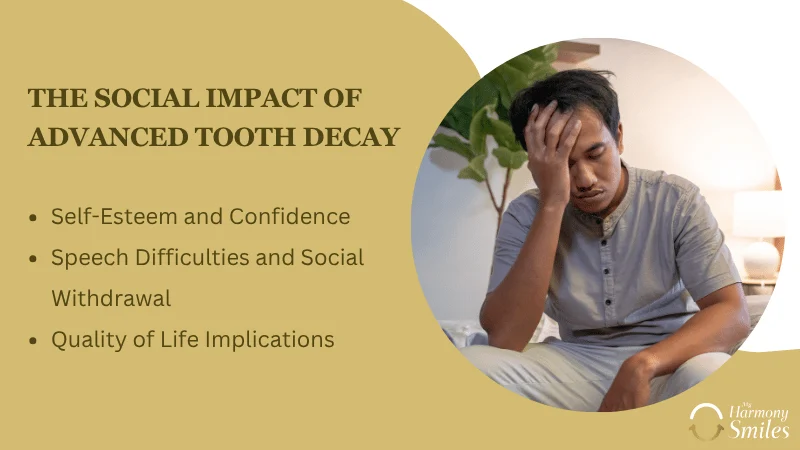
Severe tooth decay affects more than your mouth. It can change how you feel about yourself, how you speak, and how you connect with other people each day.
Self-Esteem and Confidence
When decay damages your teeth, it often changes how your smile looks. Dark spots, broken edges, and tooth loss can make you feel embarrassed to show a healthy smile.
You may start covering your mouth when you laugh. You might avoid photos or feel nervous during job interviews.
Research shows a clear link between mental and oral health. People with mental health challenges often have higher rates of decay and missing teeth, which can affect self-image and confidence.
Pain and bad breath can add to the stress. When you worry that others notice these issues, your confidence often drops even more.
Speech Difficulties and Social Withdrawal
Your teeth help you form clear words. When decay leads to loose teeth or tooth loss, you may struggle to pronounce certain sounds.
You might notice slurred speech or a slight whistle when you talk. This can feel frustrating, especially in group settings.
Chronic pain from untreated decay also makes it hard to focus on conversations. You may cut talks short or avoid social events to escape discomfort.
Bad breath caused by infection or trapped food can push you to keep your distance from others. Ongoing mouth pain and odor can raise stress and anxiety.
Over time, you may withdraw from friends, coworkers, or even family. That isolation can affect both your social life and your emotional health.
Quality of Life Implications
Severe decay can interfere with basic daily tasks. Eating becomes difficult when chewing causes pain.
You may avoid crunchy fruits, vegetables, or proteins that support good oral health and general health. This can limit your diet and lower your energy.
Sleep often suffers too. Toothaches can wake you up at night or make it hard to fall asleep.
Daily routines also change. You might spend more time managing pain or hiding your smile instead of enjoying activities.
Serious untreated decay can lead to infection and other health problems, which shows that it is not only a dental issue. When your mouth hurts and your confidence drops, your overall quality of life often declines as well.
Effective Strategies for Prevention and Early Intervention
You can lower your risk of serious dental problems by taking small, steady steps each day.
Strong oral hygiene, routine dental cleaning and exams, fluoride use, and healthy food choices work together to prevent tooth decay and protect your overall health.
Building Good Oral Hygiene Habits

Good oral hygiene starts at home. You need to brush twice a day with fluoride toothpaste and clean along the gumline, not just the surface of your teeth.
Use a soft-bristled toothbrush and brush for two full minutes. Replace your toothbrush every three to four months, or sooner if the bristles bend.
Flossing is just as important as brushing. When you floss daily, you remove plaque and food particles from between teeth where a brush cannot reach.
Skipping flossing allows bacteria to grow in tight spaces, which can lead to cavities and gum disease.
If you have trouble flossing, try floss picks or a water flosser. The goal is consistent brushing and flossing, not perfection.
Simple daily habits form the base of strong dental hygiene and help prevent tooth decay before it starts.
Importance of Regular Dental Check-Ups
Even with careful brushing and flossing, you still need regular dental check-ups. A professional cleaning removes hardened plaque, called tartar, that you cannot remove at home.
Most dentists recommend a dental check-up every six months. During the visit, your dentist checks for cavities, gum disease, and early signs of infection.
Tooth decay is common in children and adults. In fact, childhood caries affects nearly 23% of children ages 2–5 and 52% of those ages 6–8, as reported in data on childhood tooth decay rates.
Early detection lowers the risk of pain, infection, and costly treatment.
If your dentist finds a small cavity early, they can treat it with a simple filling. Waiting too long may lead to root canal treatment or tooth loss.
Regular dental check-ups protect both your smile and your overall health.
The Role of Fluoride and Dental Sealants
Fluoride strengthens enamel and helps prevent tooth decay. It repairs early damage by supporting enamel remineralization.
You get fluoride from fluoride toothpaste, professional fluoride treatments, and in some areas, water fluoridation. Dentists often apply fluoride treatment as a varnish during routine visits.
Research in pediatric dentistry shows that fluoride varnish reduces cavities, especially in high-risk children.
Dental sealants add another layer of protection. Dentists place thin coatings on the chewing surfaces of back teeth. These sealants block food and bacteria from settling in deep grooves.
Sealants work best on newly erupted molars, but adults with deep grooves can benefit too. When you combine fluoride treatments and dental sealants, you create a strong defense against decay.
Healthy Lifestyle Choices to Support Oral Health
What you eat and drink affects your teeth every day. Bacteria in your mouth feed on sugar and produce acid that damages enamel.
Limit sugary snacks, sweet drinks, and sticky foods. Choose water instead of soda, and drink it after meals to rinse away food particles.
Eat balanced meals with fruits, vegetables, whole grains, and lean protein. Crunchy produce like apples and carrots can help clean teeth surfaces, though they do not replace brushing.
If you smoke or use tobacco, quitting lowers your risk of gum disease and oral infections. Good oral hygiene combined with smart lifestyle choices supports long-term prevention of tooth decay and protects your general health.
Frequently Asked Questions
Severe tooth decay can lead to pain, infection, and problems that affect more than just your mouth. You may notice changes in your energy, digestion, and overall health if you ignore serious dental problems.
What health problems can happen if tooth decay is left untreated for a long time?
Untreated cavities grow deeper into your tooth. Bacteria can reach the inner pulp and cause severe pain or an abscess.
An abscess is a pocket of infection. It can swell, spread to nearby tissue, and damage bone around the tooth.
Cavities can lead to infection and tooth loss if not treated, and in rare cases, the infection can spread in the body.
You can also lose teeth over time. Missing teeth can make it harder to chew meat, fruits, and vegetables, which can affect your nutrition.
Can severely decayed teeth make you feel tired or unwell overall?
Yes, they can. If you have a long-term infection in your mouth, your body works hard to fight it. That effort can leave you feeling tired or run down.
Pain can also disturb your sleep. Poor sleep alone can lower your energy and mood. If swelling or infection spreads, you may feel feverish or sick. These signs mean you need care right away.
Can bad teeth or gum infections lead to serious infections elsewhere in the body?
They can in some cases. Bacteria from a dental abscess can enter your bloodstream. Once in your blood, germs can travel to other parts of your body.
Health experts warn that untreated decay can sometimes lead to serious health issues beyond the mouth. While this does not happen often, the risk rises when you ignore severe pain, swelling, or pus.
Can tooth decay cause stomach issues like nausea or an upset stomach?
Tooth decay does not directly cause stomach disease. However, it can lead to symptoms that affect your stomach.
If you swallow pus from an infected tooth, you may feel nausea. Ongoing pain and stress can also upset your stomach. Trouble chewing can change what you eat.
You may avoid healthy foods and choose softer, less balanced meals, which can affect digestion over time.
Is it possible for severe tooth decay to become life-threatening if ignored?
In rare cases, yes. If an infection spreads to the jaw, neck, or brain, it can become dangerous. Although uncommon, untreated cavities can lead to serious infections that may even cause death in extreme situations.
The risk increases if you ignore swelling, high fever, trouble breathing, or trouble swallowing. These signs need emergency care.
What low-cost options are available if my teeth are rotting and I can’t afford dental care?
You still have options, even if money feels tight. Community clinics and dental schools often provide care at reduced prices. Students treat you while licensed dentists supervise them.
You can also look for community health centers in your area.