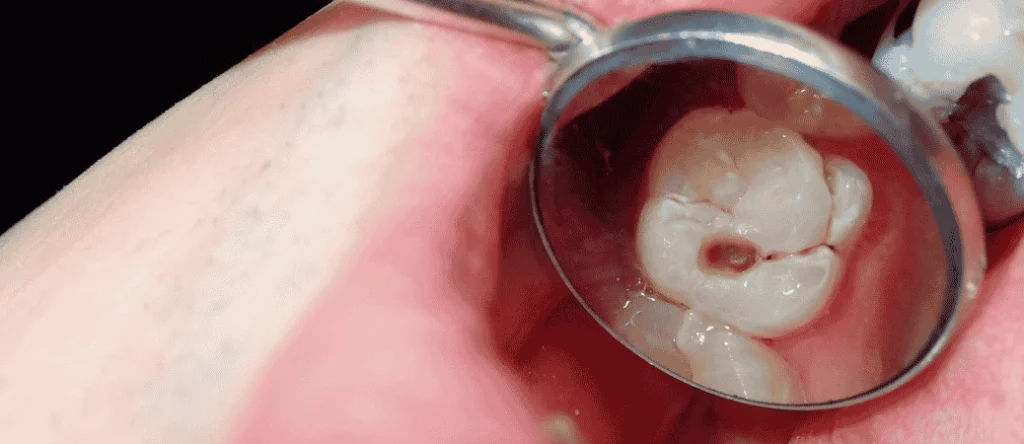


You brush your teeth twice a day, use mouthwash, and maybe even pop a mint before heading out. Yet somehow, there is bad breath after brushing teeth.
This frustrating problem affects millions of people and can make you feel self-conscious in social situations.
About 80 to 85 percent of bad breath cases start in your mouth, but the remaining cases come from other health issues that brushing alone can’t fix.
The bacteria hiding in places your toothbrush can’t reach, like deep in your gums or on your tongue, keep producing smelly compounds.
Your saliva levels, what you eat, and even conditions like acid reflux can all contribute to persistent bad breath.
The good news is that once you understand what’s causing your bad breath even after brushing, you can take the right steps to fix it.
From simple changes in your daily routine to knowing when to visit a dental office, you have more control over fresh breath than you might think.
Key Takeaways
- Bad breath often comes from bacteria hiding in hard-to-reach places like cavities, gum pockets, and your tongue
- Dry mouth reduces saliva flow and allows more bacteria to build up, which causes stronger odors
- Professional dental care can identify and treat underlying issues like gum disease or health conditions that brushing can’t address
Common Causes of Bad Breath That Brushing Misses
Brushing only cleans about 60% of your tooth surfaces, leaving bacteria in hard-to-reach spots that continue producing odors.
The main culprits behind persistent bad breath are sulfur-producing bacteria, trapped food debris, and bacterial buildup on your tongue, which require gum rejuvenation.
Odor-Producing Bacteria and Sulfur Compounds
Bacteria in your mouth break down proteins from food and dead cells, creating volatile sulfur compounds that smell like rotten eggs.
These microscopic organisms hide in areas your toothbrush can’t easily reach, like deep between your teeth and below your gumline.
The sulfur compounds they produce include hydrogen sulfide and methyl mercaptan. These gases are the same chemicals that give garbage and sewage their unpleasant smell.
Most cases of halitosis start in the mouth because these bacteria thrive in warm, moist environments. When you have cavities or gum disease, bacteria hide in even more spaces that brushing misses.
The pockets created by gum disease become perfect breeding grounds where these odor-causing organisms multiply.
Food Particles and Trapped Debris
Small bits of food get stuck between your teeth, under your gums, and around dental work after every meal. Your toothbrush bristles can’t always dislodge these particles, especially in tight spaces.
As these food remnants sit in your mouth, bacteria feed on them and release foul-smelling gases. Foods high in protein are particularly problematic because they give bacteria more material to break down into sulfur compounds.
Certain foods like garlic and onions create additional problems. The oils from these foods enter your bloodstream after digestion and travel to your lungs, causing bad breath that can last a day or more.
No amount of brushing can remove odors that come from inside your body this way.
The Role of a Coated Tongue and Tongue Bacteria
Your tongue is the top suspect for bad breath after brushing. The back of your tongue has a rough surface with tiny bumps that trap bacteria, dead cells, and food debris.
This creates a white or yellowish coating where odor-causing bacteria thrive. The bacteria hiding in these crevices produce sulfur compounds that brushing your teeth alone won’t eliminate.
Many people skip cleaning their tongue entirely, which is why bacteria on the tongue contribute significantly to halitosis. The coating acts like a carpet that holds onto bacteria and debris.
You need to specifically brush or scrape your tongue to remove this buildup and reduce the bacterial population causing your breath problems.
Dry Mouth, Saliva Flow, and Their Impact on Fresh Breath
Your mouth needs saliva to stay fresh and healthy. When saliva production drops, bacteria multiply quickly and create the unpleasant odors you notice even after brushing.
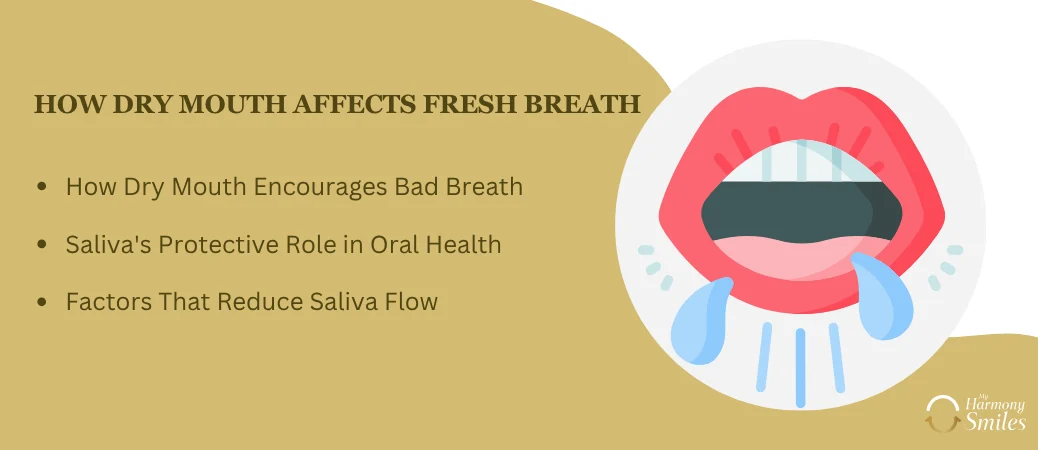
How Dry Mouth Encourages Bad Breath
Dry mouth creates the perfect environment for bad breath to develop. When your mouth doesn’t produce enough saliva, bacteria stick around longer and multiply rapidly.
These bacteria break down food particles and dead cells in your mouth, which produces smelly compounds called volatile sulfur compounds.
Without adequate saliva, bacteria multiply rapidly and create foul-smelling gases. Your tongue, in particular, becomes a breeding ground for these bacteria when it stays dry.
The rough surface of your tongue traps bacteria and food debris, and without enough saliva to wash them away, the smell intensifies.
Studies suggest that approximately 25% of adults with consistent oral care still experience persistent halitosis, often due to dry mouth issues.
Saliva’s Protective Role in Oral Health
Saliva does much more than keep your mouth wet. It constantly washes away food particles and bacteria that cause bad smells.
Saliva contains special enzymes that help control bacterial growth and neutralize acids in your mouth.
Your saliva also helps repair tooth enamel and prevents cavities. It balances the pH level in your mouth, making it harder for harmful bacteria to survive.
When saliva flow is normal, it clears away debris after every meal and keeps your breath fresh naturally.
Think of saliva as your mouth’s natural cleaning system. It works around the clock to protect your teeth, gums, and oral health.
Factors That Reduce Saliva Flow
Many everyday things can decrease your saliva production. Certain medications are among the most common causes, including drugs for depression, allergies, and incontinence.
Breathing through your mouth, especially while sleeping, also dries out your oral tissues significantly.
Common factors that reduce saliva:
- Not drinking enough water throughout the day
- Taking medications that list dry mouth as a side effect
- Smoking or using tobacco products
- Aging and natural changes in salivary glands
- Medical conditions like diabetes
To boost saliva flow, drink more water regularly throughout your day. Chew sugar-free gum to stimulate saliva production, especially after meals.
Sugar-free gum works by triggering your salivary glands without feeding the bacteria that cause chronic bad breath.
Dental and Health Conditions That Cause Lingering Odor
Several dental problems and medical conditions create bad breath that won’t go away with regular brushing. Bacteria hiding in hard-to-reach places and certain health issues produce odors that simple brushing can’t fix.
Gum Disease and Periodontitis
Gum disease starts when plaque builds up on your teeth and irritates your gums. You might notice bleeding gums when you brush or floss, which is often the first sign of gingivitis.
When gingivitis goes untreated, it can turn into periodontitis. This more serious condition creates deep gum pockets between your teeth and gums that fill with bacteria and food particles.
These pockets become perfect hiding spots for odor-causing bacteria that your toothbrush can’t reach.
Common signs of gum disease include:
- Red or swollen gums
- Bleeding when brushing or flossing
- Gums pulling away from teeth
- Loose teeth
- Persistent metallic taste
Poor oral hygiene makes gum disease worse. If you skip flossing, food trapped between teeth feeds the bacteria that cause both gum disease and bad breath.
Tonsil Stones and Gum Pockets
Tonsil stones are small, white formations that develop in the crevices of your tonsils. These stones trap bacteria, dead cells, and food particles that create a strong, unpleasant smell.
You might not even know you have them until you notice persistent bad breath that won’t go away.
The bacteria covering tonsil stones produce sulfur compounds that cause especially bad odors.
Some people can see these stones in the back of their throat, while others only notice the smell or an uncomfortable feeling in their throat.
Deep gum pockets work similarly to tonsil stones. They collect debris and bacteria that regular brushing misses completely. The deeper these pockets get, the harder they are to clean on your own.
Underlying Medical and Lifestyle Factors
Smoking and tobacco use do more than just leave an unpleasant smell. Tobacco users are more likely to develop gum disease, which creates another layer of bad breath problems.
Smoking also dries out your mouth and reduces saliva production.
Medical conditions can create distinctive breath odors. Uncontrolled diabetes sometimes causes a fruity or sweet smell. Acid reflux brings stomach acid into your throat, creating sour breath even after brushing.
Sinus infections trap bacteria in your nasal passages that drain into your throat.
Dry mouth removes your natural defense against bad breath. Saliva washes away food particles and bacteria throughout the day. When you don’t produce enough saliva, bacteria multiply faster and stick around longer.
Why Cleaning Your Tongue and Flossing Matter
Your tongue holds bacteria that brushing your teeth alone won’t remove, and food stuck between your teeth creates odors that your toothbrush can’t reach.
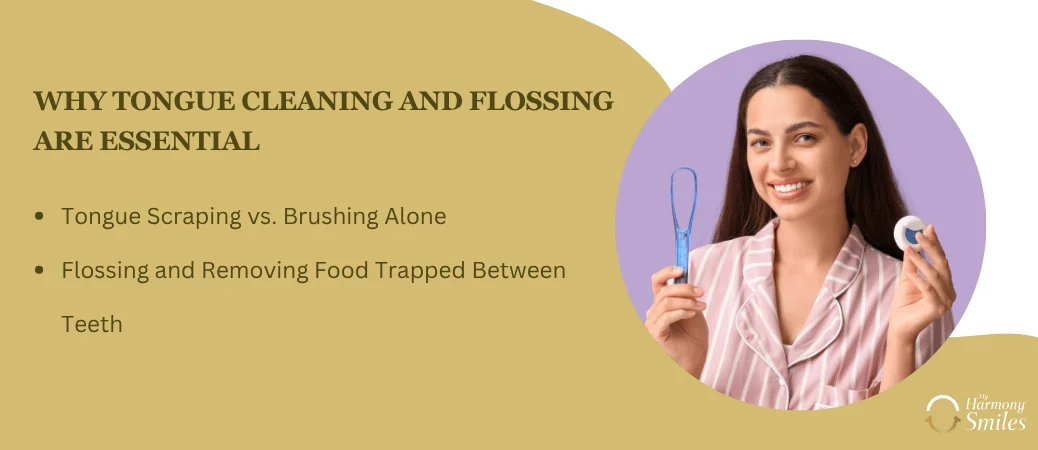
Tongue Scraping vs. Brushing Alone
Your tongue can trap bacteria, dead cells, and food particles that cause bad smells. The back of your tongue is especially likely to collect these odor-causing materials.
Brushing alone doesn’t fully address the deeper sources of odor on your tongue. A tongue scraper removes more bacteria than just using your toothbrush.
You can use either a tongue scraper or the back of your toothbrush to clean your tongue and reduce bacteria. Start at the back of your tongue and pull forward gently. Rinse the scraper between strokes.
Benefits of tongue cleaning:
- Removes bacteria that cause bad breath
- Reduces the buildup of dead cells
- Takes only 30 seconds to complete
Many people focus only on their teeth and gums but skip this important step.
Flossing and Removing Food Trapped Between Teeth
Food particles get stuck between your teeth where your toothbrush bristles can’t reach. These trapped pieces start to decay and create unpleasant odors.
When you floss daily, you remove this hidden food before it breaks down. The bacteria that feed on these particles produce sulfur compounds that make your breath smell bad.
Flossing also removes plaque buildup between teeth. This plaque contains bacteria that contribute to both bad breath and gum disease.
You should floss at least once per day, preferably before bed. Slide the floss gently between each tooth and curve it around the tooth edge in a C-shape. Don’t snap the floss down hard, as this can hurt your gums.
If regular floss is difficult to use, try floss picks or water flossers as alternatives.
Home Remedies and Professional Care for Lasting Freshness
Simple at-home strategies can help tackle bad breath after brushing, but knowing when to seek professional dental care makes the difference between temporary fixes and lasting results.
Regular dental checkups catch hidden problems that home care alone cannot address.
Effective At-Home Strategies
You can start fighting bad breath with a baking soda rinse, which offers a cheap alternative to commercial mouthwashes.
Mix 2 teaspoons of baking soda with 1 cup of warm water and swish it in your mouth for 30 seconds before spitting it out.
If you deal with dry mouth, drink more water throughout the day to keep your mouth lubricated. You can also chew sugar-free gum to stimulate saliva production, which naturally washes away food particles and bacteria.
Try natural options like pineapple juice or fennel seeds to freshen your breath. Some people find success drinking a glass of 100 percent pineapple juice or nibbling on a teaspoon of fennel seeds after meals.
Crunchy fruits and vegetables work double duty by providing healthy nutrients while cleaning your teeth. Raw apples, lettuce, and mint leaves can even help eliminate garlic breath naturally.
Recognizing When to See a Dentist

You should visit your dentist if bad breath persists despite good oral hygiene habits. Your dentist can identify signs of cavities, gum disease, or mouth dryness that might be causing your breath problems.
Bad breath that won’t go away might indicate bacteria hiding in deep pockets caused by gum disease or in cavities you can’t reach with brushing alone.
These areas need professional treatment to eliminate the source of odor.
If you experience other symptoms alongside bad breath, such as heartburn, a sour taste, or postnasal drip, your dentist can help determine if an underlying health condition requires attention.
The Importance of Dental Checkups and Professional Cleanings
Regular dental checkups give you the best chance at identifying and treating dental problems that cause bad breath.
Your dentist can spot issues before they become serious and recommend specific treatments based on your needs.
Professional cleanings remove plaque and tartar buildup that you can’t eliminate through brushing and flossing alone.
If you have gum disease, your dentist can provide deep cleaning treatments that reach below the gum line where bacteria hide.
The American Dental Association recommends visiting your dentist regularly for checkups and treatments as part of maintaining fresh breath.
Professional care combined with proper home hygiene gives you the best results for lasting freshness.
Frequently Asked Questions
Bad breath that won’t go away raises common questions about what’s happening in your mouth and body. These answers explain the specific causes behind persistent odors and when you need professional help.
Why does my breath still smell bad even after brushing and flossing?
Your breath can still smell bad after brushing because bacteria hide in places your toothbrush can’t reach, like deep cavities or pockets in your gums.
These bacteria produce sulfur compounds that create odors even when you practice good oral hygiene.
Your tongue also traps bacteria and food particles that regular tooth brushing doesn’t remove. You need to brush or scrape your tongue to get rid of these odor-causing bacteria.
Dry mouth reduces the saliva you need to wash away bacteria naturally. If your mouth doesn’t produce enough saliva, bacteria multiply faster than brushing can control them.
Is it normal for my breath to smell even right after brushing?
It’s not normal for your breath to smell bad immediately after brushing your teeth. If this happens, it usually means the source of the odor isn’t on your teeth surfaces.
Postnasal drip can cause bad breath when mucus drips down your throat and attracts odor-causing bacteria. Sinus infections, colds, and allergies all create this problem.
Stomach issues like acid reflux bring undigested food and stomach acid back into your throat. This creates odors that brushing your teeth can’t fix because they come from inside your body.
What are the most common causes of bad breath that brushing doesn’t fix?
Gum disease and cavities are the top causes because bacteria hide in damaged areas of your mouth. Deep pockets between your teeth and gums trap bacteria where your toothbrush can’t reach.
Dry mouth reduces your natural cleaning system. Saliva production drops while you sleep, which explains why morning breath happens even after brushing at night.
Food choices matter too. Garlic and onions release oils that travel through your bloodstream to your lungs, making your breath smell for up to 24 hours after eating them.
Smoking dries out your mouth and leaves tobacco particles on your tongue and throat. It also increases your risk of gum disease, which adds another layer to breath problems.
How can I get rid of bad breath for good, not just temporarily?
You need to find and treat the root cause instead of just covering up the smell. Visit your dentist to check for cavities, gum disease, or other dental problems that need professional treatment.
Clean your tongue every time you brush your teeth. Use a tongue scraper or your toothbrush to remove the bacteria and food particles that build up on the tongue’s surface.
Drink more water throughout the day to keep your mouth moist. Chewing sugar-free gum also helps by triggering more saliva production.
A baking soda rinse works as a simple home remedy. Mix two teaspoons of baking soda with one cup of warm water, swish it around your mouth for 30 seconds, then spit it out.
What does different bad-breath odor (like sour, sulfur, or sweet) usually mean?
Sulfur or rotten egg smells come from bacteria breaking down proteins in your mouth. This is the most common type of bad breath and usually points to dental issues or tongue bacteria.
Sour or acidic breath often indicates acid reflux problems where stomach acid reaches your throat. You might also notice heartburn or a bitter taste along with this smell.
Sweet or fruity breath can signal uncontrolled diabetes. When your body can’t use sugar properly, it breaks down fat for energy and releases chemicals called ketones that create a sweet smell.
Ammonia or fishy breath might point to kidney problems. Your kidneys filter waste from your blood, and when they don’t work properly, waste products build up and affect your breath.
When should I see a dentist or doctor about persistent bad breath?
See your dentist if bad breath continues for more than two weeks despite good oral hygiene. Your dentist can check for cavities, gum disease, and other mouth problems that need treatment.
Visit your doctor if you also have symptoms like heartburn, sinus pain, or a persistent cough. These signs suggest the problem comes from outside your mouth and needs medical attention.
Get help right away if you notice sweet-smelling breath along with increased thirst and urination. These could be signs of uncontrolled diabetes that needs immediate treatment.
Schedule an appointment if you have extremely dry mouth that doesn’t improve with water. Chronic dry mouth can damage your teeth and needs professional evaluation to find the cause.