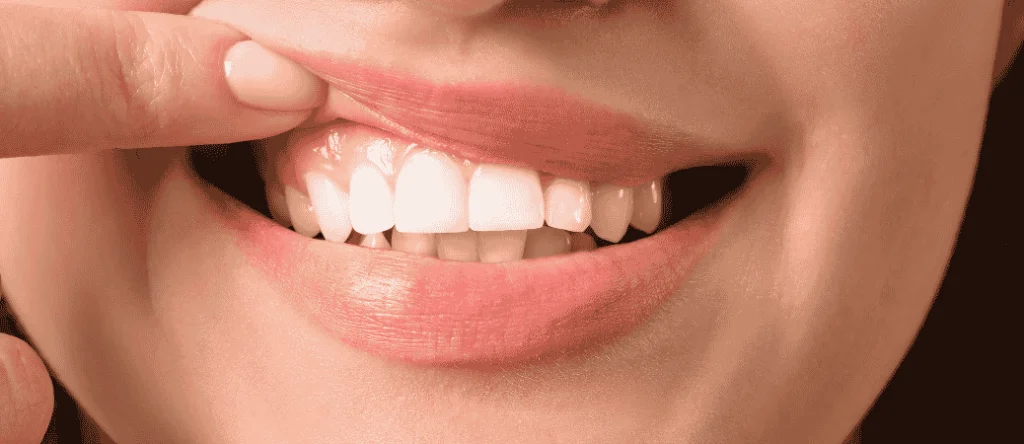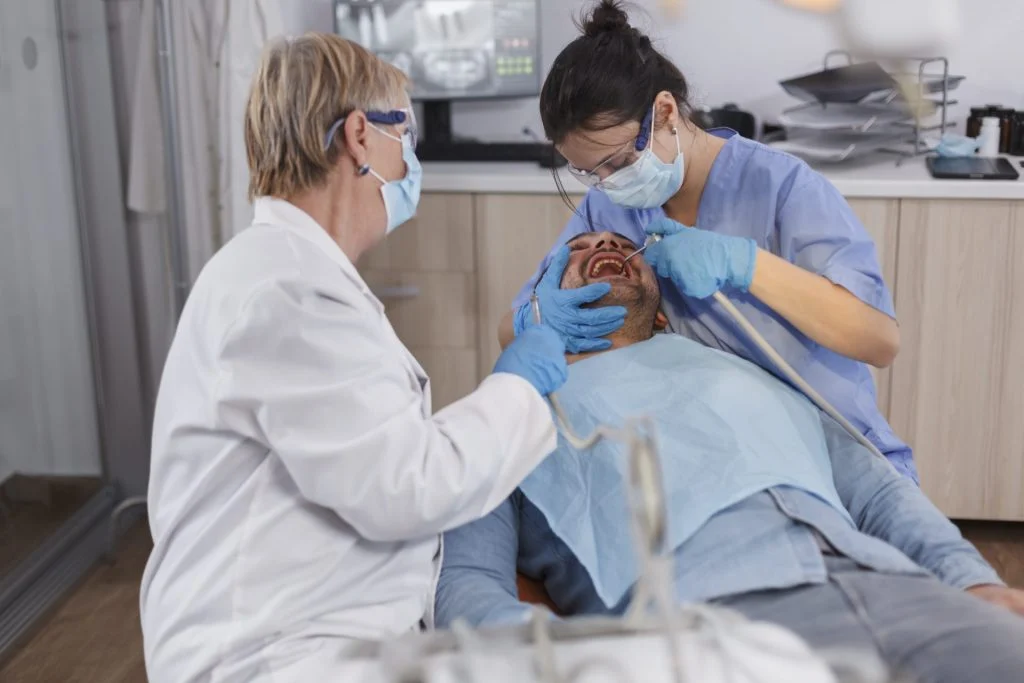


Your smile plays a bigger role in your daily life than you might realize. When your front teeth are missing or damaged, it affects more than just how you look.
Fixing front teeth can dramatically improve your self-confidence, reduce social anxiety, and help you feel comfortable speaking and smiling again in everyday situations.
Missing front teeth can lead to feelings of embarrassment and cause you to avoid social situations altogether. Many people find themselves covering their mouth when they talk or forcing themselves to smile with closed lips.
These small changes in behavior can build up over time and affect your relationships, career opportunities, and overall happiness.
The good news is that restoring your front teeth can reverse these emotional effects. Modern dental solutions offer ways to rebuild your smile and your sense of self-worth.
Understanding the emotional journey of fixing your front teeth helps you prepare for the positive changes ahead and gives you realistic expectations about your recovery process.
Key Takeaways
- Restoring missing or damaged front teeth improves self-confidence and reduces anxiety in social situations
- The psychological effects of tooth loss include social withdrawal, embarrassment, and decreased quality of life
- Multiple dental solutions exist to help you regain your smile and emotional well-being
How Missing Front Teeth Affect Emotional Well-Being
Missing front teeth can create serious challenges that go beyond physical appearance. People often experience drops in confidence, struggle with how they see themselves, and face ongoing emotional stress that affects their daily lives.
The Psychological Impact on Self-Esteem and Confidence
When you lose front teeth, your self-esteem often takes a direct hit. These visible gaps make many people feel embarrassed about smiling, talking, or laughing in front of others.
The psychological effects of tooth loss extend into nearly every social situation you encounter. You might find yourself covering your mouth when you speak or avoiding photos altogether.
Research shows that missing front teeth create profound shifts in identity, triggering feelings of shame that ripple through daily life.
Your confidence in professional settings can suffer too. Job interviews, presentations, and networking events become sources of anxiety rather than opportunities.
Many people report feeling judged or less capable because of their appearance, even when their skills and qualifications remain unchanged.
Body Image and Self-Image Challenges
The emotional impact of missing teeth strongly connects to how you perceive your overall appearance. Front teeth play a major role in facial aesthetics, and their absence can make you feel like you’ve aged prematurely or lost part of your identity.
You might avoid mirrors or feel uncomfortable with your reflection. Body image concerns intensify when anterior teeth are missing because these teeth are so visible during everyday interactions.
This constant awareness of your appearance can lead to negative self-talk and decreased self-worth.
Social withdrawal often follows these self-image struggles. You might decline invitations to gatherings, dates, or events where you’d need to smile or eat in front of others.
This isolation compounds the emotional toll, creating a cycle where avoiding social situations reinforces feelings of inadequacy.
Mental Health and Emotional Distress
The emotional impact of tooth loss extends beyond occasional embarrassment into genuine mental health concerns. Many people with missing teeth experience social anxiety and isolate themselves from workplace interactions and social gatherings.
Your emotional well-being suffers when you constantly worry about your appearance. Depression can develop as you withdraw from activities you once enjoyed.
The frustration builds when you face difficulties with speech and eating, which further impacts your quality of life and psychological well-being.
Ongoing stress about your appearance drains emotional energy. You might feel anxious before social events or experience persistent worry about what others think. These feelings create real barriers to living fully and connecting with the people around you.
Visit our office to take the first step toward a confident, natural-looking smile today.
Social Consequences of Missing Front Teeth
Missing front teeth can change how you interact with others and participate in daily activities. People with missing front teeth often experience social anxiety, avoid conversations, and face challenges in their personal and professional relationships.

Social Anxiety and Isolation
When you lose front teeth, you might feel self-conscious about your appearance. This worry can lead to social anxiety and withdrawal from activities you once enjoyed.
Many people with missing front teeth avoid social events altogether. You might skip family gatherings, decline invitations to parties, or stay away from group photos. Some people cover their mouths when they talk or laugh to hide the gap.
This social isolation affects your quality of life in meaningful ways. You may feel lonely or disconnected from friends and family. The fear of judgment from others can make simple social interactions feel stressful.
Effects on Communication and Participation
Missing front teeth can make speaking clearly more difficult. You might struggle with certain sounds or words, which affects your confidence in conversations.
These communication challenges impact your social participation. You may avoid speaking up in meetings, ordering food at restaurants, or making phone calls. Some people speak more quietly or mumble to hide their teeth.
Your oral health-related quality of life decreases when you can’t communicate comfortably. This can affect your ability to express yourself and connect with others in everyday situations.
Impacts on Relationships and Professional Life
Missing front teeth can strain your personal relationships. You might feel embarrassed around your partner or avoid intimate moments. Dating becomes more stressful when you worry about how others perceive you.
In the workplace, the psychological and social impact affects job performance. You may hesitate to interview for new positions or avoid roles that require public speaking.
Some employers make negative judgments based on appearance, which can limit career opportunities.
Your social interactions at work suffer too. You might eat lunch alone, skip team events, or avoid casual conversations with coworkers. These missed connections can hurt your professional network and advancement opportunities.
Book your consultation today to restore your confidence and smile.
Oral Health, Function, and Aesthetic Concerns
Front teeth play a critical role in eating, speaking, and smiling. When anterior teeth are damaged or missing, people face both practical difficulties and emotional struggles that affect their daily lives.
Oral Function and Daily Challenges
Your front teeth help you bite into food, pronounce words clearly, and maintain proper jaw alignment. When you’re dealing with damaged or missing front teeth, simple tasks become challenging.
Eating certain foods like apples or corn on the cob becomes difficult or embarrassing.
Speech patterns change when anterior teeth are compromised. You might notice a lisp or difficulty making sounds that require your tongue to touch your front teeth. These changes affect how you communicate at work and in social settings.
Losing a tooth or losing teeth creates functional problems that go beyond appearance. Your remaining teeth may shift position over time. This movement can create bite problems and make chewing less efficient.
Poor oral function can lead you to avoid certain nutritious foods, which may impact your overall health.
Aesthetic Considerations and Dental Confidence
Your smile is one of the first things people notice about you. Front teeth are central to facial appearance and play a major role in how you present yourself to the world.
Dental aesthetics deeply influence self-confidence and social interactions, making it essential to address aesthetic concerns for both functional and psychological reasons.
When your front teeth are chipped, discolored, or missing, you may feel self-conscious about smiling or talking.
Many people with front tooth problems develop habits to hide their smile. You might cover your mouth when laughing or avoid taking photos.
These behaviors signal deeper concerns about how others perceive you. Maintaining good oral hygiene becomes even more important when you’re already dealing with dental problems that affect your appearance.
Connection Between Oral Health and Mental Health
Oral health-related quality of life addresses your perception of how your current oral health impacts function, psychological status, social factors, and pain or discomfort. Your mental well-being and oral health are closely linked.
Problems with front teeth often lead to anxiety in social situations. You might worry about job interviews, dates, or speaking in public. These concerns can cause you to withdraw from activities you once enjoyed.
The mind-mouth connection shows how oral pathologies affect psychological well-being, highlighting the need for an approach that addresses both physical and emotional needs.
Depression and low self-esteem commonly occur alongside visible dental problems. The good news is that addressing these issues through restorative treatment can significantly improve both your oral health and emotional state.
Restorative and Cosmetic Solutions to Restore Your Smile
Modern dentistry offers multiple ways to fix damaged or missing front teeth through both functional repairs and aesthetic improvements.
These treatments can replace missing teeth, correct alignment issues, and enhance your smile’s appearance while supporting your emotional well-being.
Dental Implants and Their Psychological Benefits
Dental implants provide a permanent solution when you’ve lost one or more front teeth. A titanium post is surgically placed into your jawbone, acting as an artificial tooth root. A crown is then attached to create a natural-looking replacement tooth.
The physiological impact of tooth loss affects brain function and emotional regulation, making restoration particularly important for mental health.
Unlike removable options, implants let you eat, speak, and smile with complete confidence.
The psychological benefits go beyond appearance. You won’t worry about your replacement tooth shifting or falling out during conversations. Implants also prevent bone loss in your jaw, which helps maintain your facial structure over time.
Dental Bridges and Restorative Dentistry
Dental bridges literally bridge the gap when you’re missing one or more teeth. This restorative dentistry option uses crowns on adjacent teeth to support artificial teeth in between.
Restorative dentistry focuses on repairing damaged, decayed, or missing teeth to restore function and prevent further issues. Bridges work well when you have healthy teeth on either side of the gap.
They restore your ability to chew properly and maintain your face’s natural shape.
The treatment typically requires two visits. Your dentist prepares the supporting teeth, takes impressions, and fits you with a temporary bridge. At the second visit, the permanent bridge is cemented into place.
Dentures and Proper Denture Care
Dentures offer an affordable way to replace multiple missing front teeth. You can choose between partial dentures for a few missing teeth or complete dentures if you’ve lost all your teeth.
Modern denture options look more natural than ever before. They’re custom-made to fit your mouth and match your remaining teeth or desired appearance.
Proper denture care keeps them functioning well and looking their best. You should:
- Remove and rinse dentures after eating
- Brush them daily with a soft-bristle brush
- Soak them overnight in denture solution
- Keep them moist to maintain their shape
- Visit your dentist regularly for adjustments
Denture care also includes cleaning your gums, tongue, and any remaining teeth. Good maintenance prevents infections and extends the life of your dentures.
Veneers, Teeth Whitening, and Cosmetic Dentistry

Cosmetic dentistry transforms smiles when your front teeth are chipped, stained, or misaligned. Veneers are thin shells that cover the front surface of your teeth, correcting multiple issues at once.
Small changes like fixing a chipped front tooth can spark significant emotional relief. Porcelain veneers hide discoloration, close gaps, and reshape teeth for a balanced appearance. They’re durable and resist staining better than natural teeth.
Teeth whitening brightens your smile when staining is your main concern. Professional treatments deliver safer, more effective results than store-bought products. Your dentist can customize the whitening strength for your needs.
The intersection of cosmetic and restorative dentistry allows for comprehensive smile makeovers that address both appearance and function. These treatments work together to restore your smile and rebuild your confidence.
Navigating the Emotional Journey of Dental Restoration
Losing or damaging front teeth triggers a complex emotional process that includes grief, anxiety, and loss of confidence.
Understanding these feelings and developing healthy ways to cope helps you move through restoration with greater ease and emotional stability.
Stages of Grief and Acceptance after Tooth Loss
The psychological effects of tooth loss often mirror stages of grief. You might first experience denial, refusing to believe your tooth is damaged or gone.
Anger may follow as you wonder why this happened to you. Many people feel bargaining thoughts, wishing they had taken better care of their teeth or seen a dentist sooner.
Depression can set in when you avoid social situations or feel embarrassed about your appearance. This stage often includes withdrawal from friends and family gatherings.
Acceptance comes when you recognize that tooth loss happened but doesn’t define you. You start exploring restoration options and feel ready to move forward.
This final stage opens the door to healing and allows you to take positive action toward fixing your smile.
Coping Mechanisms for Emotional Adjustment
Developing coping mechanisms helps you manage stress during your restoration journey. Talking to friends or family members about your feelings reduces isolation and provides emotional support.
Many people find comfort in connecting with others who have experienced similar dental issues. Online support groups or dental forums let you share concerns and learn from people who understand your situation.
Practicing stress-reduction techniques makes a real difference. Deep breathing exercises, meditation, or yoga can lower anxiety levels before dental appointments.
Some patients keep a journal to track their emotions and celebrate small victories throughout the treatment process.
Setting realistic expectations about your restoration timeline prevents disappointment. Your dentist can outline what to expect at each stage, which reduces uncertainty and fear.
Remember that temporary solutions exist while you wait for permanent fixes.
Regaining Confidence and Social Comfort
Restoring damaged teeth helps rebuild your confidence in everyday interactions. Once treatment begins, you’ll notice immediate improvements in how you feel about yourself.
Start with small social steps. Practice smiling in the mirror to get comfortable with your appearance during treatment. Attend low-pressure gatherings with close friends before bigger events.
Your speech patterns may need adjustment after restoration. Reading aloud at home helps you adapt to how your new teeth feel when talking. Most people adjust within a few days to weeks.
The emotional impact of tooth loss often extends to professional settings. As your smile improves, you’ll likely feel more confident during work meetings and presentations.
Many patients report better job performance and increased willingness to pursue career opportunities after restoration.
The Role of Ongoing Dental Care in Emotional Recovery
Getting your front teeth fixed is just the beginning of your journey toward better emotional well-being. Taking care of your new smile through proper oral hygiene and regular dental visits helps protect both your physical restoration and the confidence boost that came with it.
Importance of Oral Hygiene after Restoration
Your daily oral hygiene routine becomes even more important after getting your front teeth fixed. Brushing twice a day and flossing once daily protects your investment and keeps your smile looking its best.
Restorations like crowns, veneers, or implants need the same care as natural teeth. Plaque and bacteria can still build up around these restorations and cause gum disease or decay in surrounding teeth.
When you skip brushing or flossing, you risk damaging the work you just had done.
Key oral hygiene practices include:
- Brushing for two minutes with a soft-bristled toothbrush
- Flossing gently around restorations
- Using an alcohol-free mouthwash
- Avoiding hard foods that could chip or crack your new teeth
The connection between oral health and emotional well-being means keeping up with these habits protects your mental health too. When your teeth look and feel healthy, you maintain the confidence your restoration gave you.
Long-Term Dental Care and Preventing Future Tooth Loss
Regular dental checkups every six months help catch problems before they become serious. Your dentist can spot early signs of decay, gum disease, or issues with your restoration that you might miss at home.
Professional cleanings remove tartar buildup that regular brushing cannot eliminate. This prevents gum disease, which is a leading cause of tooth loss in adults. Losing another tooth after fixing your front teeth can undo the emotional benefits you gained.
Your dentist may recommend specific treatments based on your needs:
| Treatment Type | Purpose |
| Fluoride treatments | Strengthens enamel and prevents decay |
| Dental sealants | Protects teeth from cavities |
| Night guards | Prevents grinding damage |
| Deep cleanings | Treats early gum disease |
Addressing tooth loss through restorative treatments improves your mental and physical health. Preventing future problems keeps those benefits intact.
Maintaining Mental Health alongside Oral Health
Your mental health and dental care work together in both directions. Taking care of your teeth improves your mood and self-esteem. At the same time, managing stress and anxiety helps you maintain better oral health habits.
Stress can lead to teeth grinding, jaw clenching, and skipping dental appointments. These behaviors damage your teeth and restorations over time. Finding healthy ways to manage stress protects your smile.
Poor mental health is associated with poor oral health, creating a cycle that affects your quality of life. Breaking this cycle requires attention to both areas.
Ways to support both mental and oral health:
- Schedule dental appointments during low-stress times
- Practice relaxation techniques before dental visits
- Talk to your dentist about anxiety concerns
- Celebrate small wins in your oral care routine
When you feel good about your smile, you are more likely to maintain the habits that keep it healthy. This positive cycle improves your overall quality of life and helps you enjoy the emotional benefits of your front tooth restoration for years to come.
Frequently Asked Questions
Front teeth play a major role in how you feel about yourself and how you connect with others. Understanding the emotional changes that come with dental improvements can help you prepare for the positive shifts ahead.
How can improving the appearance of my front teeth affect my self-esteem and confidence?
When you fix your front teeth, you often feel more comfortable smiling and speaking in public. Many people who were once self-conscious about their appearance find themselves feeling less anxious in social settings.
Your self-esteem can improve because you no longer worry about others noticing gaps, chips, or discoloration. This change lets you focus on conversations and connections rather than hiding your smile.
The boost in confidence often extends beyond just your appearance. You might find yourself taking on new opportunities at work or feeling more at ease meeting new people.
What emotional benefits can I expect after having dental work done on my front teeth?
Most people experience a reduction in anxiety and embarrassment after their front teeth are repaired. The emotional impact of missing or damaged teeth can affect your overall quality of life, so fixing them often brings relief.
You may notice that you smile more freely without thinking about it. This natural expression of happiness can actually improve your mood throughout the day.
Many people report feeling less isolated after dental work. When you’re not worried about your appearance, you’re more likely to engage in activities and events you previously avoided.
Are there common psychological effects associated with having crooked or damaged front teeth?
The loss or damage of anterior teeth can lead to emotional distress that affects mental health and well-being. People with damaged front teeth often experience feelings of embarrassment and self-consciousness.
You might develop habits like covering your mouth when talking or avoiding photos. These behaviors can become automatic responses that limit how you express yourself.
Some people withdraw from social situations because they feel judged about their teeth. This isolation can lead to sadness and increased anxiety over time.
Can fixing my front teeth influence my social interactions and relationships?
Your front teeth are visible every time you smile or speak, which means they play a big part in first impressions. When you feel confident about your teeth, you’re more likely to make eye contact and engage openly with others.
A missing front tooth can interfere with clear speech, making it harder to communicate in personal and professional settings. Fixing speech issues through dental work can help you express yourself more clearly.
Better social interactions often lead to stronger relationships. When you’re not holding back because of dental concerns, you can be more present and authentic with friends and family.
How does the correction of front teeth improve overall mental well-being?
Dental improvements can reduce the daily stress that comes from worrying about your appearance. When you’re not constantly thinking about hiding your teeth, your mind has more space for positive thoughts.
The connection between your smile and mental health goes both ways. Feeling good about your teeth can help lift your mood, which in turn makes you more likely to smile naturally.
The psychological impact of tooth loss can influence self-esteem and overall mental health. Addressing dental issues removes this source of ongoing worry from your life.
What steps can I take to maintain the emotional gains after cosmetic dental treatment for front teeth?
Keep up with your dental care routine to protect your investment and maintain your confidence. Regular brushing, flossing, and dental checkups help ensure your front teeth stay healthy and attractive.
Take photos and smile often to reinforce your positive feelings about your new appearance. The more you practice smiling without hesitation, the more natural it becomes.
Stay connected with your support system and share your positive experience. Talking about how the dental work has improved your life can help solidify the emotional benefits you’ve gained.