


You want your new smile to look right and feel natural. But once veneers or crowns go on, you cannot undo them easily. That fear of regret keeps many people from moving forward with cosmetic treatment.
Smile design planning reduces cosmetic regret by letting you preview, adjust, and approve your new smile before any permanent changes happen.
You see the shape, shade, and size in advance. You and your dentist align expectations early, not after the work is done.
With digital tools and clear planning, you avoid surprises about color, fit, or bite comfort. You take an active role in the process, which helps you feel confident about the final result.
Key Takeaways
- You preview and refine your smile before treatment begins.
- Clear planning helps prevent issues with color, shape, and bite.
- Collaboration and digital tools support long-term satisfaction.
What Is Smile Design Planning?
Smile design planning maps out your new smile before any dental work begins. It uses photos, digital tools, and clear goals to match your teeth with your face, bite, and long-term needs.
Digital Smile Design Fundamentals
Digital smile design (DSD) is a planning method used in esthetic dentistry. Your dentist studies photos, videos, and digital scans of your teeth and face. They then create a virtual model of your proposed smile.
This process acts as a blueprint. In fact, smile design is the planning phase that guides a smile makeover, not the treatment itself.
During DSD, your dentist reviews:
- Tooth shape and size
- Tooth color
- Alignment and spacing
- Gum display when you smile
- Bite position
You can often preview a mock-up before treatment starts. This step lowers the risk of cosmetic regret because you see the direction of your results early, not after permanent changes.
The Role of Technology in Smile Design
Modern smile design relies on digital scans instead of messy impressions. Your dentist may use 3D imaging, facial analysis software, and computer-guided planning tools.
Clinics that focus on digital smile design with advanced planning use this data to test different tooth shapes and proportions on a screen before treatment begins.
Technology helps your dentist measure key details, such as:
| Feature | Why It Matters |
| Midline position | Keeps teeth centered with your face |
| Tooth proportions | Prevents teeth from looking too long or short |
| Smile arc | Follows the curve of your lower lip |
| Gum levels | Keeps the smile even and balanced |
These tools reduce guesswork. You and your dentist make decisions based on clear visuals, not assumptions.
Personalization and Facial Harmony
Smile design planning focuses on facial harmony, not just white teeth. Your dentist studies how your teeth relate to your lips, jawline, and overall facial aesthetics.
This approach reflects what many experts describe as a personalized smile design plan tailored to your facial features. It considers both appearance and function.
You discuss your goals in detail. Some people want subtle changes. Others want a brighter, more noticeable shift.
Your dentist evaluates:
- Your face shape
- Lip movement when you talk and smile
- Skin tone and tooth shade match
- Bite function and jaw comfort
When your smile fits your facial structure, it looks natural. Careful planning helps you avoid results that feel too large, too white, or out of place with your features.
How Smile Design Planning Minimizes Cosmetic Regret
Smile design planning lowers regret by making results clear before treatment starts. You see how changes affect your face, bite, and daily comfort, not just your teeth.
Aligning Expectations with Outcomes
Regret often starts when what you expect does not match what you get. Smile design planning closes that gap through detailed smile analysis and clear goal setting.
Your dentist studies tooth shape, gum line, lip movement, and facial balance. This step connects esthetic outcomes with real-world function. It also reviews your bite to protect long-term clinical outcomes.
You discuss specific goals such as:
- Tooth length and width
- Shade preferences
- Symmetry and spacing
- How much change feels natural to you
This structured approach reflects the core ideas behind principles of smile design, which stress harmony between teeth, muscles, and joints.
When your expectations match a realistic treatment plan, patient satisfaction improves because you understand both the benefits and limits before treatment begins.
Visualizing Results Before Treatment
It is easier to feel confident when you can see a clear preview of your new smile. A digital preview or virtual smile shows tooth size, shape, and shade before any enamel is altered.
Modern tools allow you to review proposed changes on your own photos. This method turns abstract ideas into visible options. Many practices now use Digital Smile Design in cosmetic workflow to improve predictability and reduce remakes.
You can compare subtle differences, such as:
| Feature | Option A | Option B |
| Tooth Shade | Bright white | Natural white |
| Tooth Length | Slightly longer | Balanced with lip line |
| Edge Shape | Rounded | More squared |
Seeing these differences helps you choose with confidence. Clear visualization supports better patient-centered outcomes because you take part in the design process.
Patient-Centered Communication
Strong patient communication reduces confusion and second guessing. Smile design planning creates a structured conversation, not a quick decision.
You explain what you like and dislike about your current smile. Your dentist explains what is possible, what may require compromise, and how each choice affects durability.
This two-way discussion is central to smile design planning in cosmetic procedures, which focuses on tailoring treatment to your facial features and personal goals.
When you feel heard and informed, you make decisions based on facts, not pressure. That clarity supports stable clinical outcomes and higher long-term patient satisfaction.
Schedule your consultation today to preview your new smile with confidence.
The Digital Smile Design Workflow
You reduce cosmetic regret when you plan every detail before treatment begins. A clear DSD workflow uses photos, scans, 3D imaging, and digital planning tools to test your new smile before any permanent work happens.
Comprehensive Consultation and Assessment
You start with a focused consultation. Your dentist asks what you like and dislike about your smile and what changes you expect.
They review your dental and medical history. They also check your bite, gum health, and jaw movement to avoid problems later.
Diagnostic records often include:
- High‑resolution face and smile photos
- Short smile and speech videos
- Digital X-rays to assess roots and bone
- Intraoral scans of your teeth and gums
These records guide treatment planning. If your gums are uneven or your bite is unstable, your dentist addresses those issues first. This step keeps your smile design realistic and protects you from results that look good but fail over time.
You stay involved from the start, so your goals shape the design.
Digital Imaging and Scans
Next, your dentist collects detailed scans and 3D images. Intraoral scanners create a precise digital model of your teeth without messy impressions.
This 3D imaging shows tooth shape, spacing, and alignment. It also helps measure symmetry and midline position.
Many practices use DSD software or programs like Smile Design Pro to combine your facial photos with your digital scans. This is part of the modern Digital Smile Design workflow in cosmetic dentistry.
The software aligns your teeth with your facial features. It checks how the smile fits your lips and facial proportions, not just your bite.
Some systems connect to CAD/CAM tools. That link allows the design to move directly from digital planning to fabrication, which reduces guesswork and manual errors.
You see a visual preview of your possible results on your own face. That clarity lowers the risk of regret later.
Treatment Planning and Mock-Ups
After imaging, your dentist builds a detailed digital plan. This plan defines tooth length, width, edge shape, and color.
They use CAD tools to create a virtual wax-up. This 3D model shows the exact changes before any enamel is removed.
Many experts explain that Digital Smile Design uses photos, videos, and digital modeling to bridge the gap between what you expect and what treatment delivers.
You then test the design with a mock-up. The dentist places a temporary material over your teeth so you can see and feel the new shape in your mouth.
During this stage, you check:
- Smile appearance
- Speech sounds like “S” and “F”
- Bite comfort
- Lip support
If something feels off, the team adjusts the digital plan. You correct small issues now instead of after final veneers or crowns are bonded.
Finalizing and Approving the Smile Design
Before final treatment, you review the updated design. Your dentist shows you the digital images and may compare them side by side with your current smile.
You confirm the shape, shade, and overall look. This approval step matters because it documents that the design matches your expectations.
Once you approve, the lab or in‑office system uses CAM technology to mill or print the restorations from the approved CAD file. The final result follows the same digital blueprint you already tested.
By moving step by step through this digital workflow, you stay informed and in control. That structure protects you from surprises and helps ensure your new smile matches what you agreed to see in the mirror.
Common Sources of Cosmetic Regret and How Planning Prevents Them
Many cases of cosmetic regret start with poor planning, not poor skill. Clear smile design planning protects your bite, your comfort, and your long-term oral health before any cosmetic dental treatment begins.

Functional Failures Despite Aesthetic Success
Your teeth can look straight and white yet still feel wrong. You may notice jaw tension, headaches, or tooth sensitivity soon after new restorations.
This often happens when your dentist skips a detailed bite analysis. Even small changes in tooth shape can shift how your upper and lower teeth meet. That shift can strain your muscles and joints.
If you already have TMJ dysfunction, cosmetic changes can make symptoms worse. Pain when chewing or limited jaw movement should never be ignored before treatment.
Good planning prevents this by:
- Checking your bite in different positions
- Screening for bruxism and clenching habits
- Using temporary restorations to test comfort
- Adjusting the design before final placement
You protect your function first. Then you improve appearance.
Mismatched Smile to Facial Features
You may love a bright, bold smile in photos but dislike it on your own face. Teeth that look too large or too white can feel unnatural.
Smile design should match your lip shape, skin tone, and facial proportions. Digital tools like Digital Smile Design preview your smile before cosmetic treatment so you can see changes in advance.
This step helps you approve size, shape, and shade before anything becomes permanent.
Color causes many cases of cosmetic regret. Teeth that are too opaque or too bright often stand out in daily life. Careful shade planning and realistic lighting reduce that risk.
When your dentist customizes the design to your features, your restorations look balanced. They fit you instead of copying someone else’s smile.
Ignoring Underlying Dental Issues
Cosmetic work should never cover active problems. If you grind your teeth, new veneers may chip within months.
Bruxism places heavy force on front teeth. Without a night guard or bite correction, restorations fail early. Planning must address force, not just shape.
Gum disease also raises risk. Inflamed or receding gums can worsen around crowns or veneers. Healthy tissue supports long-term oral health and stable margins.
You should expect a full exam before treatment. That includes:
- Gum health evaluation
- Review of old fillings or weak teeth
- X-rays to check bone and roots
- Discussion of past fractures or TMJ symptoms
When you treat disease and instability first, your cosmetic dental treatment lasts longer and feels better.
Smile Design Techniques and Material Choices
You reduce cosmetic regret when you match the right technique with the right material. Clear options, realistic previews, and a comprehensive consultation help you choose treatments that fit your goals and your bite.
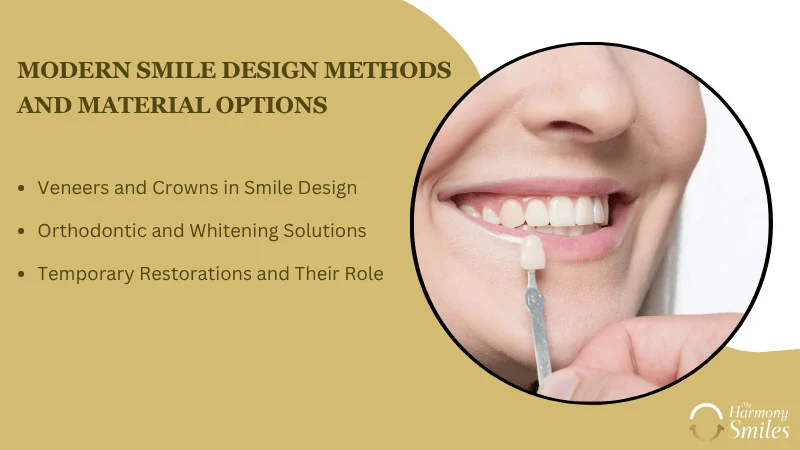
Veneers and Crowns in Smile Design
You often choose veneers when you want to change tooth shape, size, or color without full coverage. Dentists bond thin porcelain shells to the front of your teeth. This works well for chips, gaps, and mild misalignment.
Veneers require enamel removal, so the change is not reversible. During your comprehensive consultation, your dentist should review smile design principles such as symmetry and proportion, which are outlined in the principles of smile design.
This helps you avoid choosing teeth that look too long, too white, or out of balance with your face.
Crowns cover the entire tooth. You may need them if you have large fillings, cracks, or root canal treatment. Crowns provide strength and shape, but they require more tooth reduction than veneers.
Ask about:
- Porcelain vs zirconia
- Expected lifespan
- How the crown will affect your bite
Clear answers lower the risk of regret later.
Orthodontic and Whitening Solutions
You should not rush into veneers if orthodontic treatment can fix the root problem. Orthodontics moves your natural teeth into better alignment. This protects enamel and often reduces the need for aggressive reshaping.
Braces or clear aligners correct crowding, spacing, and bite issues. When you align teeth first, you create a stable base for any cosmetic work that follows.
Teeth whitening changes color but not shape. It works best for healthy teeth without deep internal stains. Whitening before placing veneers or crowns helps you match restorations to your preferred shade.
Modern planning often includes digital tools. Many practices now use digital 3D design in smile planning to preview alignment and shade changes. Seeing a simulation helps you set realistic expectations.
Temporary Restorations and Their Role
You reduce regret when you test changes before making them permanent. Temporary restorations let you “try on” your new smile.
Your dentist may place temporary veneers or crowns after tooth preparation. You wear them for several days or weeks. This gives you time to check:
- Speech and comfort
- Tooth length and shape
- How your smile looks in photos
If something feels off, your dentist can adjust the design before fabricating the final restorations.
Temporary work also protects prepared teeth from sensitivity and damage. Most important, it turns abstract plans into something you can see and feel. That hands-on preview makes your final decision more confident and informed.
Achieving Lasting Satisfaction and Clinical Success
A well-planned smile transformation gives you clear expectations and steady results. When your dentist focuses on tooth proportions and long-term care, you reduce cosmetic regret and protect your investment.
Ensuring Proper Tooth Proportions and Aesthetics
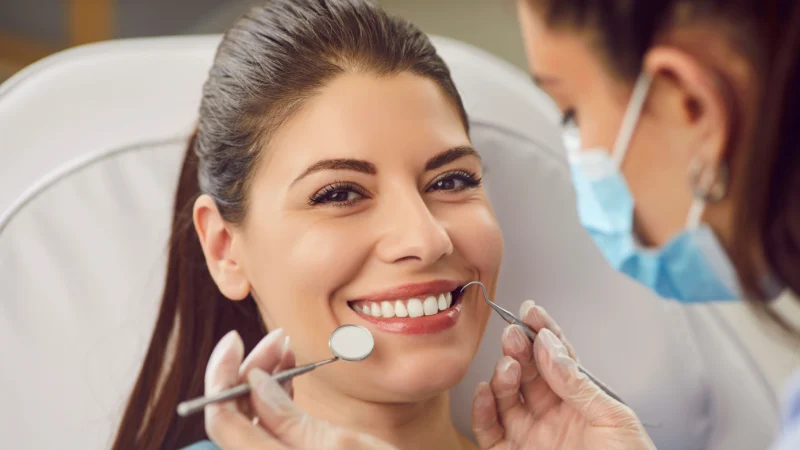
You see balance before you see details. That balance starts with correct tooth proportions.
Your dentist studies the width and length of each tooth, the gum line, and how your teeth relate to your lips and face.
Modern planning tools such as Digital Smile Design in modern cosmetic dentistry use photos and digital models to test changes before treatment begins.
This process helps you preview your smile makeover. You can adjust shape, shade, and alignment before any enamel is altered.
Key elements your dentist reviews include:
- Tooth width-to-length ratio
- Symmetry between front teeth
- Gum display when you smile
- Color that matches your skin tone
When these factors align, your dental aesthetics look natural. You avoid oversized veneers, uneven edges, or a smile that feels artificial.
Careful planning also supports clinical success. Proper spacing and alignment reduce stress on restorations, which helps crowns and veneers last longer.
Maintaining Results and Oral Health
A personalized smile transformation does not end after placement day. Long-term results depend on daily care and regular checkups.
You protect your smile makeover by brushing twice a day and flossing carefully around restorations. Plaque buildup can stain margins and irritate gums, which affects both appearance and health.
Research on patient satisfaction and treatment outcomes in cosmetic dentistry shows that follow-up care and professional monitoring improve results. Dentists check bite pressure, polish restorations, and adjust minor issues before they grow.
You also need:
- Routine cleanings every six months
- Night guards if you grind your teeth
- Quick treatment for chips or cracks
Healthy gums frame your teeth and support stable restorations. When you commit to maintenance, you protect both your dental aesthetics and your long-term clinical success.
Frequently Asked Questions
Careful planning lowers the risk of regret after cosmetic dental work. Clear goals, digital previews, and honest talks with your dentist help you make steady choices.
What should I consider before undergoing cosmetic smile enhancements?
You should review your oral health first. Cavities, gum disease, grinding, or jaw pain can affect results and long-term comfort.
You also need to think about maintenance. Veneers and crowns may last 10 to 15 years, but they are not lifetime fixes.
Ask about bite changes and long-term costs. A good plan looks at function, not just color and shape.
How does digital imaging influence the outcome of smile makeovers?
Digital imaging lets your dentist design your smile with photos and software before touching your teeth. It helps measure tooth size, symmetry, and how your smile fits your face.
This process reduces guesswork. You can see how changes in length or shade affect your overall look.
Can I preview the potential results of my smile design before committing to the procedure?
Yes, many dentists offer mock-ups or temporary versions of your new smile. You may wear these trial restorations for a short time.
This “test drive” helps you check speech, comfort, and appearance. You can request small changes before final work begins.
What role does patient-dentist communication play in successful smile design?
You need open and direct talks with your dentist. Clear photos of smiles you like can help explain your goals.
Your dentist should also explain limits and risks. This includes bite concerns, gum health, and future repairs.
Poor communication often leads to results that look fine in photos but feel wrong in daily life.
How do personalized smile designs address individual facial features?
A strong plan looks at your face shape, lip movement, and gum line. Tooth width, length, and contour should match these features.
Experts in smile design principles and analysis explain how teeth, gums, and facial structure must work together.
How do personalized smile designs address individual facial features?
A natural result depends on careful material choice and shaping. Porcelain can mimic light reflection and slight color changes found in real teeth.
Dentists avoid flat, single-shade designs. They add small variations in translucency and contour.