


You may look in the mirror and wonder if veneers can do more than improve your smile. If you deal with an overbite, underbite, or uneven wear, you likely want a solution that looks good and feels comfortable.
One of the most common reasons for getting veneer is that they can fix minor bite problems. Dentists often use them to improve small bite imbalances and worn edges.
However, many experts note that veneers will not fix deeper alignment or functional problems.
If your bite problem is more serious, you may need braces or clear aligners before you consider veneers. Orthodontic treatment often supports long-term function and helps your veneers last.
Understanding the limits and benefits helps you choose the right path for your smile.
Key Takeaways
- Veneers can improve minor bite issues but do not fix major alignment problems.
- Orthodontic treatment may be needed before veneers for long-term results.
- A dental exam helps you decide if veneers fit your bite and smile goals.
Understanding Bite Problems and Veneers
Your bite affects how you chew, speak, and protect your teeth from wear. Veneers can change how teeth meet, but they work best in specific cases and do not fix every bite problem.
What Are Bite Problems?
Bite problems happen when your upper and lower teeth do not fit together the right way. Dentists call this malocclusion.
You may notice jaw pain, worn teeth, headaches, or trouble chewing. Some people also see uneven spacing or teeth that stick out.
Bite issues can develop from:
- Genetics
- Thumb sucking in childhood
- Tooth loss
- Injury
- Poor dental habits
Even small alignment errors can create long-term problems. If veneers are placed without careful planning, they can change how your teeth meet and cause discomfort and pain after the procedure.
That is why your dentist must check your bite before starting cosmetic dentistry treatment.
Types of Malocclusion: Overbite, Underbite, and More
There are several common types of malocclusion. Each one affects your mouth in a different way.
Overbite:
Your top teeth overlap your bottom teeth too much. A small overlap is normal, but a deep overbite can wear down lower teeth and strain your jaw.
Underbite:
Your lower teeth sit in front of your upper teeth. This can make chewing harder and may affect speech.
Crossbite:
Some upper teeth sit inside your lower teeth instead of outside. This can cause uneven wear.
Open bite:
Your front teeth do not touch when your mouth is closed.
Veneers may improve the look of very mild alignment issues. In limited cases, reshaping teeth with veneers can help with small bite concerns.
However, braces or other orthodontic treatment often work better for moderate or severe cases.
How Veneers Work in Cosmetic Dentistry
Veneers are thin shells made from porcelain or composite resin. Your dentist bonds them to the front of your teeth to improve shape, size, and color.
In cosmetic dentistry, veneers mainly improve appearance. They can:
- Close small gaps
- Smooth chipped edges
- Make short teeth look longer
- Create a more even smile
When it comes to bite problems, veneers can sometimes adjust small surface issues. For example, they may help correct minor misalignment by slightly reshaping how teeth meet. But they are not a full solution for structural jaw problems.
Before placing veneers, your dentist should check your bite carefully. A proper assessment helps ensure your veneers look natural and function safely with the rest of your teeth.
Veneers and Their Impact on Bite Issues
Veneers can change how your teeth look and how your bite feels. They may improve minor bite alignment problems, but they do not fix every type of bite issue.

Aesthetic Improvement vs Functional Correction
You may choose veneers to improve stains, chips, or uneven edges. They create a more balanced smile by reshaping the front surface of your teeth.
In some cases, veneers also improve bite functionality. If you have small gaps, worn edges, or slightly uneven teeth, a cosmetic dentist can adjust the size and shape of each tooth. This can help your upper and lower teeth meet more evenly.
Some providers explain that veneers can improve both comfort and function when they correct minor alignment issues.
Still, you should know that cosmetic improvement does not always mean full bite correction. Major jaw or alignment problems often need other treatments.
How Veneers Affect Bite Alignment and Comfort
Your bite depends on how your teeth contact each other and how bite forces spread across them. When veneers are carefully designed, they can help balance these forces.
If you have minor wear or small alignment flaws, veneers can reshape the contact points between teeth. This may reduce pressure on certain teeth and improve comfort when you chew.
However, precision matters. Poorly fitted veneers can interfere with your natural bite alignment. Veneers that are too long or bulky may cause discomfort or even damage opposing teeth.
You may also notice changes in how your teeth touch at first. A skilled cosmetic dentist checks your bite carefully and adjusts the veneers to support proper bite functionality and reduce the risk of jaw pain.
Limitations of Veneers for Bite Correction
Veneers cannot fix every bite problem. They do not correct true overbites, underbites, or major jaw misalignment on their own.
Some dentists explain that porcelain veneers cannot correct overbites or underbites. Complex bite correction often requires orthodontics, full-mouth restorations, or other advanced treatments.
You should also consider the role of your jaw joints. If you have TMJ pain or severe bite imbalance, veneers alone may not address the root cause. In these cases, your dentist may suggest a broader treatment plan.
Veneers work best for mild to moderate bite issues linked to tooth shape or wear. For larger structural problems, you need a solution that changes jaw position, not just the front surface of your teeth.
Schedule your consultation today to find the right solution for your bite and smile.
Who Is a Good Candidate for Veneers With Bite Issues?
You may qualify for veneers if your bite problem is small and your teeth are healthy. The key factors are how severe the misaligned bite is and whether your teeth can safely support veneers.
Mild Bite Problems: When Veneers Can Help
You can benefit from veneers if your bite issue is minor and mostly cosmetic. Veneers can improve the look of slightly misaligned teeth, small gaps, or edges that do not line up evenly.
A cosmetic dentist may adjust the front surface of your teeth so the veneers fit better within your natural bite. This works best when your jaw position is normal and you do not have major crowding.
Veneers can also help when:
- Your teeth are slightly uneven in length
- You have minor spacing between front teeth
- Your bite feels mostly comfortable but looks off
If your enamel is strong and your gums are healthy, veneers can reshape teeth and create a more even appearance without full orthodontic treatment.
When to Consider Orthodontic Treatments Instead
You should look at orthodontic treatments if your bite problem affects how your teeth meet or function. Veneers cannot correct a serious misaligned bite or large gaps caused by crowding.
Severe overbite, underbite, crossbite, or open bite usually requires braces or aligners. In these cases, moving the teeth into proper position protects them from uneven wear and damage.
Veneers do not replace braces or Invisalign for major alignment problems.
Orthodontic treatment focuses on correcting the root position of your teeth, not just the surface. After alignment, you can still choose veneers to refine shape or color if needed.
Consulting With a Cosmetic Dentist
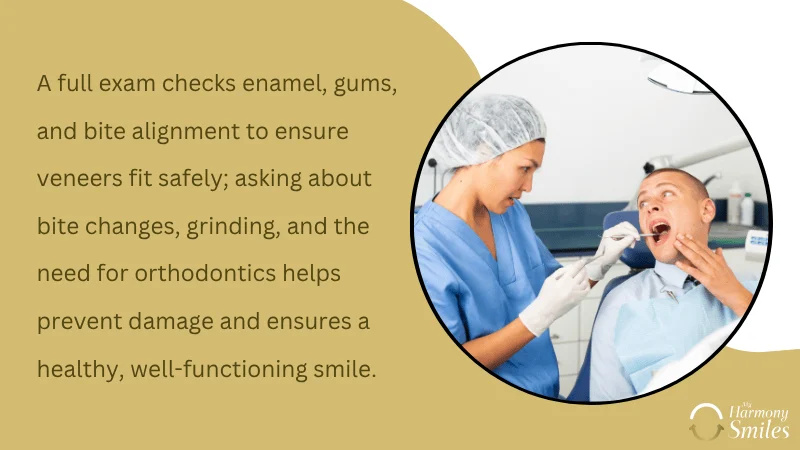
You need a full exam before deciding. A cosmetic dentist will check your enamel, gum health, and how your upper and lower teeth come together.
They may take X-rays, photos, and bite records. This helps them see if veneers will fit safely within your bite or if orthodontic treatments should come first.
Ask clear questions, such as:
- Will veneers change how my bite feels?
- Do I grind or clench my teeth?
- Will I need orthodontic treatment before veneers?
An honest evaluation helps you avoid cracks, chips, or uneven pressure later. With the right plan, you can improve both how your smile looks and how your bite functions.
Porcelain Veneers, Composite Resin Veneers, and Bite Function
Veneers can improve how your teeth meet, but they do not replace full orthodontic or jaw treatment. The material you choose affects strength, wear, and how well your bite function holds up over time.
Differences Between Porcelain and Composite Resin Veneers
You can choose between porcelain veneers and composite resin veneers, and each works in a different way.
Porcelain veneers are thin ceramic shells made in a lab and bonded to the front of your teeth. They often require two or more visits. Many dentists explain that porcelain lasts longer and resists stains better, often around 10–20 years with proper care.
Composite resin veneers are shaped directly on your teeth in one visit. They cost less upfront and usually last about 5–7 years. You can often repair them if they chip.
For bite function, porcelain offers more strength. Composite offers more flexibility and easier adjustment.
Role of Porcelain Restorations in Bite Correction
Porcelain restorations can help when mild bite issues come from uneven edges, small gaps, or worn enamel.
If your teeth show tooth wear from grinding, a dentist can use porcelain veneers to rebuild length and restore contact points.
This can improve how your upper and lower teeth meet. Dentists often use veneers to fix chips, minor misalignment, and shape problems.
However, veneers cannot move teeth or correct severe jaw misalignment. If your bite problem involves the jaw joint or large tooth shifts, you may need orthodontics or other treatment first.
Porcelain works best for small to moderate bite refinements.
Durability and Functionality in Everyday Use
Your bite creates constant pressure when you chew, speak, and clench. Material strength matters.
Porcelain veneers are harder and more resistant to staining. They keep their shape and surface texture longer. Many dentists note their long-term durability in comparisons.
Composite resin veneers feel smooth and natural, but they wear down faster. You may need polishing or reshaping over time. If you grind your teeth, both types can chip, but composite is easier to repair.
To protect your bite function, you may need a night guard. Good daily care and regular checkups help your veneers support chewing without adding new tooth wear.
Alternatives and Complementary Treatments for Bite Problems
You have more than one option when you want to fix a bite problem. Orthodontic care, combined treatment plans, and modern smile design methods can improve both function and appearance.
Orthodontic Options: Braces and Clear Aligners
If your bite problem affects how your teeth fit together, braces or clear aligners often give the most reliable results.
Traditional metal or ceramic braces attach to your teeth and apply steady pressure. This pressure moves teeth into better positions over time.
Dentists often use braces for moderate to severe overbite correction because they control tooth movement very precisely.
Clear aligners, including Invisalign, use custom plastic trays. You switch trays every few weeks as your teeth shift. Aligners work well for mild to moderate cases and feel less noticeable in daily life.
If your jaw position causes the issue, your orthodontist may suggest other appliances or, in rare cases, surgery. Most people start with orthodontic treatment before considering cosmetic fixes.
Integrating Veneers With Orthodontic Treatment
Sometimes you need both orthodontics and veneers to reach your goals.
Orthodontic treatment first moves your teeth into proper alignment. This step improves your bite and reduces uneven pressure. After your teeth settle, your dentist can place veneers to refine shape, size, or color.
This approach works well if you have:
- Mild misalignment plus worn or chipped teeth
- Gaps that remain after orthodontic treatment
- Stains that whitening cannot fix
Veneers alone do not change jaw position or major alignment. They mostly improve appearance, not structure.
By combining treatments, you protect your teeth and improve your smile at the same time.
Innovative Smile Design Approaches
Modern smile design looks at your bite, tooth shape, and facial balance together.
Your dentist may use digital scans and mock-ups to show how small changes affect your bite and appearance. In some cases, they combine orthodontics, minor reshaping, bonding, or veneers to manage minor bite issues.
Some cosmetic treatments, such as veneers or bonding, can improve small alignment flaws that affect how your teeth look.
If your bite problem is mostly cosmetic and does not cause pain or chewing trouble, this type of plan may suit you. If your bite affects function, you will likely need orthodontic treatment as the foundation before cosmetic work begins.
Considerations, Risks, and Long-Term Care
Veneers can improve how your teeth look, but they do not always fix deeper bite problems. You need to understand the risks, daily care needs, and long-term effects on your dental health before you decide.
Risks of Veneers With Bite Issues
If your bite is already uneven, veneers can make the problem worse if your dentist does not adjust them with care. Even small changes in tooth shape can shift how your upper and lower teeth meet.
Poor alignment can lead to jaw pain, headaches, and worn enamel. Some cases show that when veneers are too long or too rigid, they may damage opposing teeth and create lasting bite problems.
You also face a higher risk of chipping or cracking if you grind your teeth. Veneers do not absorb force the way natural enamel does.
If you have severe wear, missing teeth, or major alignment issues, other treatments like crowns or orthodontics may protect your dental health better than veneers alone.
Oral Hygiene and Maintenance
Veneers do not protect you from cavities or gum disease. The natural tooth under the veneer can still decay if plaque builds up around the edges.
You must brush twice a day with a soft toothbrush and floss daily. Focus on the gumline, where bacteria collect.
Regular checkups matter even more when you have veneers. Skipping cleanings can allow small problems to turn into bigger ones.
If you grind your teeth, wear a night guard. This simple step can protect both your veneers and your natural teeth.
Long-Term Dental Health With Veneers
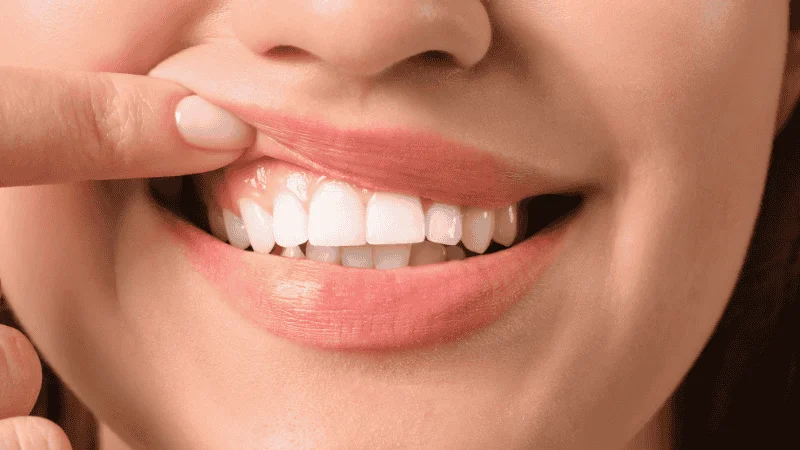
Veneers require enamel removal, which makes the process permanent. Once you place them, you will always need some type of covering on those teeth.
Many dentists consider veneers safe for long-term use when placed correctly. Still, long-term success depends on your habits and the health of your gums.
You should watch for:
- Gum recession
- Changes in your bite
- Loose or chipped veneers
- Ongoing sensitivity
The benefits of veneers include improved appearance and stronger confidence. But your long-term dental health depends on careful planning, proper fit, and consistent oral hygiene.
Frequently Asked Questions
Veneers can change the shape and surface of your teeth, which may affect how your bite feels. They can help in some mild cases, but they do not replace orthodontic care for major alignment problems.
Are veneers a good solution for correcting an uneven bite?
Veneers can help if your uneven bite is mild and caused by worn, chipped, or slightly misaligned teeth. They adjust the front surface of your teeth to create a more balanced contact.
Some dentists explain that veneers can support healthy bite changes in select cases, especially when combined with other restorations like crowns.
If your bite problem comes from jaw position or major tooth movement, veneers alone will not fix it.
What types of bite issues can veneers help to address?
Veneers can help with small gaps, minor crowding, and uneven tooth edges. They may also improve mild overbites in adults when the issue is mostly cosmetic.
Some dental providers note that in certain adult cases, conservative porcelain restorations can help support a healthier bite while improving appearance.
They do not move teeth or change bone structure. They only reshape the visible part of your teeth.
Can getting veneers improve how my teeth fit together?
Veneers can change how your upper and lower teeth touch. By adjusting length and thickness, your dentist can refine contact points.
However, covering many teeth increases the need for careful planning. One review explains that the risk of imbalance can rise when multiple veneers are placed because small errors may affect alignment.
Your dentist must check your bite before and after placement to reduce this risk.
Is it possible to correct an overbite or underbite using veneers?
Veneers may help mask a mild overbite by improving tooth shape and position. In these cases, you see cosmetic improvement, and you may notice slight functional changes.
For underbites, veneers can improve appearance but do not fix the underlying jaw issue.
If your overbite or underbite is moderate to severe, orthodontic treatment usually works better.
What should I expect during the veneer process if I have a bite problem?
Your dentist will examine your bite, take X-rays, and review your jaw movement. They may suggest orthodontic treatment first if your alignment needs correction.
Many orthodontists recommend straightening teeth before veneers to improve long-term results.
After planning, your dentist prepares the teeth, takes impressions, and places custom veneers. They will adjust your bite during the final fitting.
Are there any limitations to using veneers for bite correction?
Veneers only cover the front of your teeth. They do not move teeth or correct jaw alignment.
If you have severe crowding, large gaps, or jaw imbalance, you will likely need braces, clear aligners, or surgery. Veneers work best for cosmetic changes and minor functional adjustments.
A prosthodontist or cosmetic dentist can explain whether your case fits within these limits.