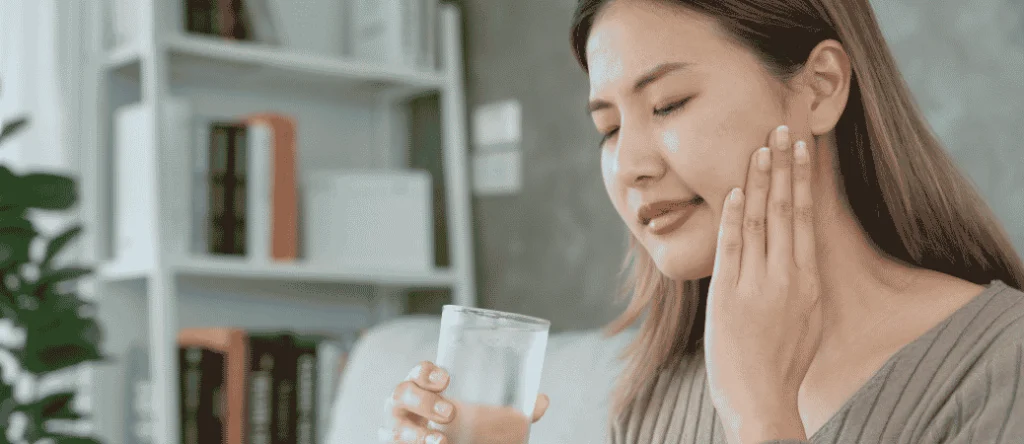

A knocked-out tooth is one of the most serious dental emergencies you can face. More than five million teeth are knocked out every year in children and adults. The good news is that a tooth doesn’t have to be lost forever if you act fast.
The first 30 minutes after losing a tooth are critical because the cells on the tooth root that help it reattach to the bone can dry out or become damaged.
If you know what to do right away, you can save your tooth and have it put back in place successfully. Your quick response makes all the difference between keeping your natural tooth and needing a replacement.
This guide will show you exactly what steps to take when a tooth gets knocked out. You’ll learn how to handle the tooth correctly, keep it alive until you reach a dentist, and what to expect during emergency treatment.
Key Takeaways
- Act within 30 minutes of losing a tooth to give it the best chance of being saved and replanted successfully
- Handle the tooth by the crown only and keep it moist by placing it back in the socket or storing it in milk
- Get to a dentist or emergency room immediately for professional treatment and follow-up care
Why Every Minute Matters After Tooth Avulsion
When a tooth gets knocked out, the cells on the root surface start dying within minutes. The periodontal ligament fibers can still reattach if protected and replanted quickly, making immediate action critical for saving your tooth.
The 30-Minute Window for Tooth Survival
Your knocked-out tooth has the best chance of survival if you act within the first 30 minutes. The cells on the tooth root need moisture and nutrients to stay alive, and they begin to die when exposed to air.
Getting emergency dental care within 30 to 60 minutes gives your tooth the highest chance of successful replantation. After 60 minutes, the success rate drops significantly because more root cells have died.
The periodontal ligament is the key to saving your tooth. This thin layer of tissue connects your tooth root to the jawbone. When these ligament fibers stay healthy, they can reattach and hold your tooth in place for years to come.
Understanding Tooth Avulsion
Tooth avulsion means your tooth has been completely knocked out of its socket. This differs from a chipped or loose tooth because the blood vessels and nerves are completely severed.
Approximately 5 million teeth are knocked out each year in children and adults. Sports injuries, falls, and accidents are the most common causes.
When your tooth gets knocked out, the root surface still has living cells that need protection. These cells are what allow the tooth to reattach to your jawbone. If they dry out or get damaged, your tooth cannot be saved.
Risks of Waiting Too Long
The root cells die quickly when exposed to air, and once they’re gone, the tooth cannot reattach to your jawbone. This means any delay reduces your chances of keeping your natural tooth.
Waiting more than two hours makes it very unlikely that replantation will succeed. Even if a dentist can put the tooth back in, it may not stay in place permanently without living root cells.
You might face additional complications if you wait too long. These include infection, bone loss around the socket, and the need for more expensive treatments like dental implants or bridges to replace the lost tooth.
Essential First Steps: Handling a Knocked-Out Tooth
When handling a knocked-out tooth, the way you touch it and clean it in the first moments directly affects whether it can be successfully replanted.
The cells on the root surface are fragile and die quickly when exposed to air or harsh conditions.
Finding and Picking Up the Tooth by the Crown
You need to find your tooth right away and act quickly within 30 minutes to give it the best chance of survival. Don’t leave it at the scene of the accident.
When you pick up the tooth:
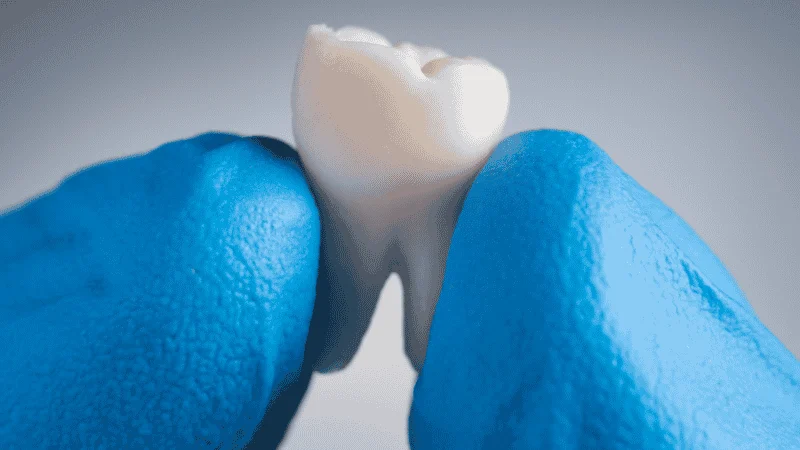
- Hold it only by the crown (the white part you chew with)
- Never touch the root or the bottom pointy part
- Avoid grabbing the tooth by its sides near the root
The root surface is covered with a thin layer of living cells called the periodontal ligament. These cells help the tooth reattach to your jawbone after reimplantation.
Touching the root can damage or kill these cells, which makes it much harder for your dentist to save the tooth.
Gently Rinsing Without Damaging Root Cells
If your tooth has dirt or debris on it, you can rinse it gently with water. Use only plain water and be very gentle during this step.
Follow these rinsing rules:
- Hold the tooth by the crown while rinsing
- Use a light stream of water for no more than 10 seconds
- Don’t scrub, wipe, or rub the tooth
- Never use soap, chemicals, or disinfectants
- Don’t dry the tooth with a towel or tissue
The cells on the root die when they dry out or get exposed to tap water for too long. If the tooth looks mostly clean, skip rinsing altogether. It’s better to have a slightly dirty tooth than one with damaged root cells.
Attempting Reinsertion When Safe
Putting the tooth back in its socket right away gives you the best chance of saving it. Try to reposition the tooth in the socket immediately if you can do it safely.
To reinsert your tooth:
- Make sure you have the tooth facing the right direction
- Line it up carefully with the empty socket
- Gently push it into place with your fingers
- Hold it there by biting down softly or using your fingers
If you feel dizzy, confused, or can’t position the tooth correctly, don’t force it. A tooth avulsion during a serious accident might mean you have other injuries that need attention first.
In this case, keep the tooth moist in milk or place it in your mouth next to your cheek until you reach a dentist.
Keeping the Alive Tooth Alive: How to Preserve Until Care
The tooth must stay moist to keep the root cells alive, and the storage method you choose in those critical first minutes can determine whether your tooth survives.
Milk serves as an excellent storage medium, while specialized preservation kits offer the best chance of keeping your tooth viable until you reach dental care.

Tooth Preservation Kits and the Save-A-Tooth Solution
Emergency tooth preservation kits like Save-a-Tooth provide the best environment for keeping your knocked out tooth alive. These kits contain a special solution that keeps root cells healthy for up to 24 hours.
The solution maintains the right pH balance and provides nutrients that regular liquids cannot offer. You simply place the tooth in the container with the preservation fluid and seal it.
Most pharmacies and drugstores carry these kits, and they’re worth keeping in your first aid supplies if you have active kids. The kit protects the delicate cells on the tooth root better than any household option.
If you don’t have a kit at home, ask your dentist about getting one for emergencies. While they cost more than using milk, the investment could save your tooth and thousands of dollars in dental work later.
Storing the Tooth in Milk or Saliva
Milk works as an excellent storage option because it has a similar pH to your body and contains proteins that help root cells survive. Use regular cow’s milk straight from the refrigerator or room temperature.
Simply drop the tooth into a clean cup or container filled with milk. The tooth should be completely covered by the liquid. Keep it submerged until you reach the dentist.
If you don’t have milk available, your own saliva works as a backup option. You can place the tooth in your mouth next to your cheek to keep it moist.
Be careful not to swallow the tooth if you use this method. This works well for older kids and adults who can safely hold the tooth in their mouth, but avoid this option for young children.
What Not to Do: Common Storage Mistakes
Never use regular tap water to store your knocked out tooth. Root surface cells cannot tolerate tap water for extended periods and will die quickly.
Don’t wrap the tooth in a tissue, paper towel, or cloth. These materials dry out the tooth and damage the delicate root cells you’re trying to save.
Avoid touching or scrubbing the root of the tooth. Handle only the crown and resist the urge to clean dirt off by scrubbing or using soap.
Don’t let the tooth dry out even for a minute. The root cells begin dying within seconds of exposure to air. Keep the tooth wet from the moment you pick it up until you hand it to your dentist.
Getting Professional Help: What to Expect at the Emergency Dental Clinic
When you arrive at an emergency dental clinic, the dental team will work quickly to evaluate your tooth and determine if it can be saved. The procedures they use and the care you receive in those critical first moments can make the difference between keeping your natural tooth or needing a replacement.
Why an Emergency Dentist Visit Is Critical
Time is the most important factor when dealing with a knocked-out tooth. Getting to a dentist within 30 minutes gives you the best chance of successful reimplantation.
The cells on your tooth’s root surface start to die quickly once the tooth leaves your mouth. An emergency dentist has the tools and knowledge to assess whether these cells are still healthy enough for your tooth to reattach.
They’ll examine the tooth, check for fractures, and look at the socket to see if there’s any damage to the bone or surrounding tissue.
Your emergency dental visit isn’t just about putting the tooth back in place. The dentist needs to check for other injuries you might have missed, like jaw fractures or damage to nearby teeth.
They’ll also take X-rays to see the full picture of what’s happening inside your mouth.
Without professional urgent dental care, you risk infection, improper healing, or permanent tooth loss.
Even if you managed to put the tooth back in the socket yourself, you still need a dentist to verify it’s positioned correctly and stabilize it properly.
Procedures for Reimplantation and Stabilization
Your emergency dentist will clean the socket gently and remove any blood clots if needed. If you brought your tooth in milk or another storage solution, they’ll rinse it carefully with saline solution.
They never scrub the root surface because that would destroy the delicate cells needed for reattachment.
The dentist will carefully guide your tooth back into its socket, making sure it sits at the right angle and depth. You might feel pressure, but the area should be numb from local anesthesia.
Once the tooth is in position, they’ll use a splint to hold it steady.
The splinting process typically involves:
- Attaching a thin wire or flexible material across your tooth
- Bonding the splint to the teeth on either side for support
- Keeping the splint in place for 7 to 14 days in most cases
- Allowing slight movement so the tooth can heal naturally
Your dentist might prescribe antibiotics to prevent infection and recommend a tetanus shot if your injury happened outside. They’ll also discuss pain management options for the next few days.
Aftercare and Follow-Up Visits
Your emergency dental care doesn’t end when you leave the clinic. You’ll need to return for several check-ups to make sure your tooth is healing correctly. The first follow-up usually happens within a few days.
During these visits, your dentist will check if the tooth is reattaching to the bone and whether the root is staying healthy.
They’ll take X-rays to monitor the healing process and watch for signs of root resorption, where your body starts breaking down the tooth’s root.
You’ll need to eat soft foods for at least a week and avoid biting down on the affected tooth. Keep the area clean by gently rinsing with salt water, but don’t brush directly on the tooth or splint.
Your dentist will tell you when it’s safe to return to normal eating and oral care.
Plan for follow-up appointments at regular intervals over the next year. Your tooth might need a root canal treatment later, even if the reimplantation appears successful at first.
Watch for any signs of infection, increased pain, or loosening of the tooth between visits.
Special Scenarios: Kids, Baby Teeth, and Serious Injuries
Children face unique challenges when a tooth gets knocked out because their mouths contain both baby teeth and developing permanent teeth.
The approach differs drastically depending on which type of tooth is lost, and some injuries require hospital-level care beyond what a dentist can provide.
Baby Tooth vs. Permanent Tooth Protocols
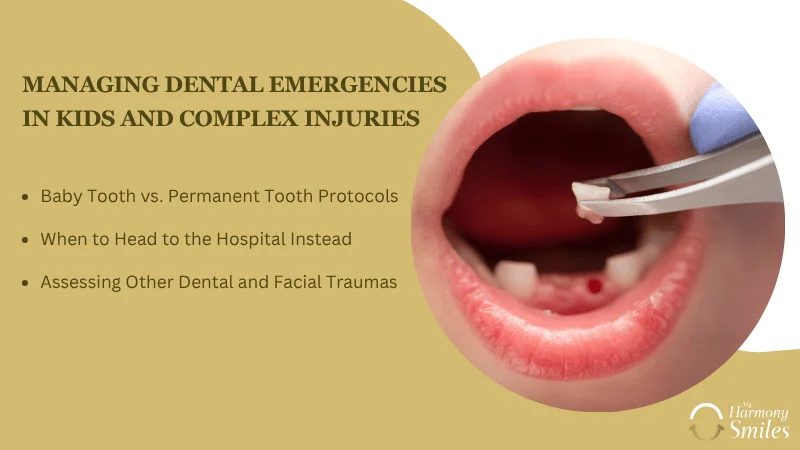
If your child knocks out a baby tooth, do not try to put it back in. Baby teeth should never be reinserted into the socket because doing so can damage the permanent tooth developing underneath.
Baby tooth injuries typically don’t require emergency treatment. The adult tooth will eventually grow in naturally. Your dentist may want to take an X-ray to make sure the tooth wasn’t swallowed or pushed up into the gum tissue.
Permanent teeth are completely different. You need to act within 15 minutes for the best chance of saving it. The periodontal ligament cells die quickly once exposed to air.
Pick up the permanent tooth by the crown only and rinse it gently with milk or saline. Try to reinsert it if you can, then have your child bite down on clean gauze.
If you can’t get it back in, keep it moist in milk or saliva while rushing to get emergency dental care.
When to Head to the Hospital Instead
Some situations require a hospital emergency room rather than a dentist’s office. Go to the hospital if your child shows signs of a concussion like confusion, dizziness, vomiting, or loss of consciousness.
Heavy bleeding that won’t stop after 10 minutes of pressure needs emergency care. A broken or dislocated jaw also requires immediate hospital treatment.
If the tooth knocked out can’t be found anywhere, head to the hospital. Doctors may need to X-ray your child’s chest and stomach to check if the tooth was swallowed or inhaled. A tooth in the airway is a serious medical emergency.
Deep cuts to the lips, tongue, or inside of the mouth might need stitches. The emergency room can handle both the facial injuries and the dental emergency at the same time.
Assessing Other Dental and Facial Traumas
Look carefully at all the teeth near the knocked-out tooth. Check if any others are loose, chipped, or pushed out of their normal position.
Feel along your child’s jawbone on both sides. Pain, swelling, or teeth that don’t line up properly when biting could mean a jaw fracture.
Watch for these additional signs of serious injuries:
- Teeth pushed up into the gums or sideways
- Bleeding that won’t stop with gentle pressure
- Torn tissue where teeth attach to gums
- Pieces of broken tooth stuck in the lip or cheek
Even if the knocked-out tooth seems like the only problem, other damage might not be immediately visible.
Your dentist or doctor needs to examine the whole area to check for fractures in the tooth roots or damage to developing permanent teeth below the gum line.
Prevention and Long-Term Tooth Protection Tips
Taking steps to protect your teeth now can help you avoid a dental emergency later. Using the right gear during activities and maintaining good dental habits keeps your teeth strong and secure.
Mouthguards and Protective Gear
Wearing a mouthguard is one of the best ways to prevent knocked-out teeth during sports and physical activities. You should use a mouthguard for contact sports like football, hockey, basketball, and soccer.
Even activities like skateboarding, biking, and rollerblading benefit from mouth protection.
Custom-fitted mouthguards from your dentist offer the best protection because they’re made specifically for your mouth. They stay in place better and provide more cushioning than store-bought options.
If you can’t get a custom guard, boil-and-bite mouthguards from sporting goods stores work as a second choice.
Kids and adults both need mouthguards during risky activities. Make sure the guard covers your upper teeth completely and fits comfortably so you’ll actually wear it.
Replace your mouthguard when it shows signs of wear or damage.
Routine Dental Checkups
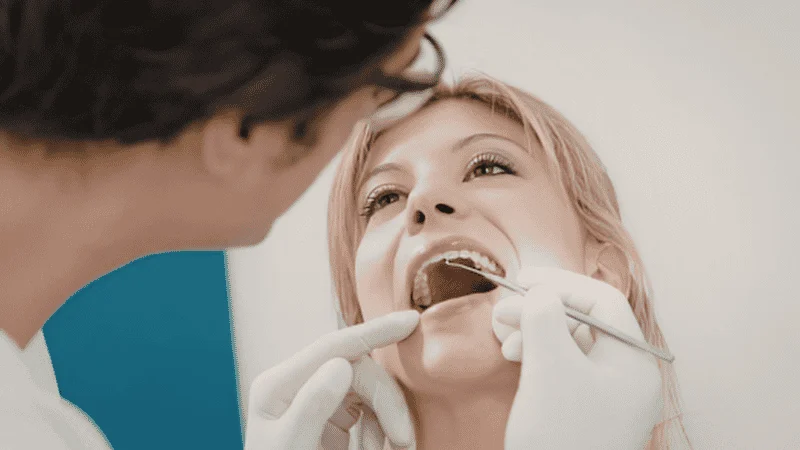
Regular visits to your dentist help catch problems before they become urgent dental care situations. You should schedule checkups every six months for cleanings and examinations.
During these visits, your dentist checks for weak spots in your teeth, gum disease, and other issues that could make tooth loss more likely. They can also identify teeth that need crowns or other reinforcement.
Treating small problems early prevents bigger emergencies down the road.
Your dentist will also check if you grind your teeth at night, which weakens them over time. If needed, they can fit you with a night guard to protect your teeth while you sleep.
Smart Habits to Avoid Dental Emergencies
Your daily habits play a big role in tooth preservation and strength. Avoid chewing on hard objects like ice, popcorn kernels, pen caps, or hard candy.
These can crack or chip your teeth, making them more vulnerable to getting knocked out.
Don’t use your teeth as tools to open packages, tear tape, or hold objects. This puts unnecessary stress on them. If you play sports without proper supervision, arrange for safety equipment and proper training to reduce injury risks.
Keep your teeth strong by brushing twice daily with fluoride toothpaste and flossing once a day. Eat a balanced diet with plenty of calcium and vitamin D to maintain healthy tooth structure.
Limit sugary foods and drinks that weaken enamel.
Frequently Asked Questions
Acting fast and handling the tooth correctly gives you the best chance of saving it. The way you pick up, clean, store, and transport the tooth matters just as much as getting to a dentist quickly.
What should I do immediately after a tooth gets knocked out?
Find the tooth right away and don’t leave it where the accident happened. Stay calm and act within 30 minutes for the best chance of saving it.
Call your dentist immediately to let them know you’re coming. If you can’t reach your regular dentist, go to an emergency dental clinic or hospital.
How should I pick up and handle a knocked-out tooth without damaging it?
Pick up the tooth by the crown, which is the white part you use for chewing. Never touch the root of the tooth because it has delicate cells that help the tooth reattach.
The root surface cells are fragile and can die if you touch them or let them dry out. Handle the tooth as little as possible to protect these important cells.
What’s the best way to store a knocked-out tooth if I can’t get to a dentist right away?
Keep the tooth moist at all times because it cannot survive if it dries out. Put it in milk if you have some available, as milk helps preserve the root cells better than other liquids.
You can also hold the tooth in your mouth next to your cheek between your gums and cheek. Another option is to use an emergency tooth preservation kit like Save-a-Tooth if you have one.
Don’t use regular tap water for long periods because it can damage the root surface cells. If the tooth is dirty, you can quickly rinse it with water, but then put it in milk or back in your mouth right away.
Can I put a knocked-out tooth back in myself, and how do I do it safely?
Yes, you should try to put the tooth back in its socket right away if possible. Hold the tooth by the crown and gently push it into place with your fingers.
You can also position the tooth above the socket and slowly close your mouth to guide it in. Once the tooth is in place, hold it there with your fingers or by gently biting down on it.
Don’t force the tooth if it won’t go in easily. If you can’t reposition it, keep it moist in milk or in your mouth and get to a dentist immediately.
How quickly do I need to see a dentist after a tooth is knocked out?
You need to see a dentist or endodontist within 30 minutes of the injury for the best results. The first 30 minutes are critical for successfully saving and replanting the tooth.
Even if more than 30 minutes have passed, it’s still possible to save a tooth that’s been out of your mouth for an hour or longer. Don’t give up if you miss the 30-minute window, but get to a dentist as soon as you can.
What should I avoid doing so I don’t reduce the chance of saving the tooth?
Don’t touch or handle the root of the tooth at all. Don’t scrub the tooth, use soap or chemicals on it, or try to remove any tissue fragments attached to the root.
Don’t wrap the tooth in a tissue, cloth, or paper towel because these materials can stick to the tooth and damage the root cells. Don’t let the tooth dry out even for a few minutes.
Avoid storing the tooth in regular tap water for extended periods. Don’t delay getting to the dentist because every minute counts when trying to save a knocked-out tooth.