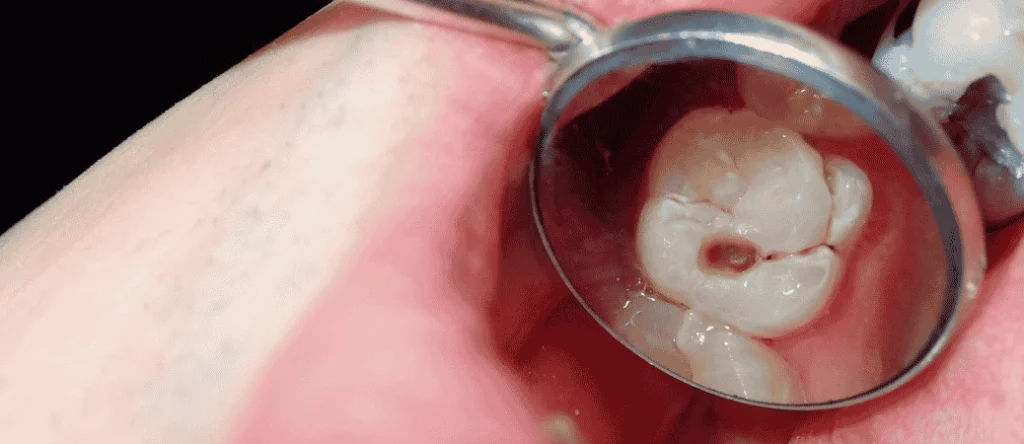


Tooth pain can feel sharp, dull, or constant. You may hope it will pass, but pain that lingers often points to a deeper problem. When your tooth nerve becomes inflamed or damaged, your body sends clear warning signs.
Tooth pain often indicates nerve damage when it lingers after hot or cold foods, throbs without a clear cause, or wakes you at night.
This type of pain usually means the dental nerves inside the tooth pulp are under stress from decay, cracks, or infection. If you ignore it, the problem can worsen and lead to a serious infection.
You do not have to guess what your symptoms mean. Once you know the tooth nerve damage symptoms and what causes it, you can act early and protect your oral health.
Key Takeaways
- Lingering or spontaneous tooth pain often signals nerve damage inside the tooth.
- Decay, cracks, and infection commonly irritate or harm dental nerves.
- Early diagnosis and treatment can relieve pain and help save the tooth.
Spotting Signs of Tooth Nerve Damage
Tooth nerve damage often starts with clear warning signs that feel different from normal sensitivity. You may notice steady pain, strange sensations, or visible changes in your tooth and gums.

Persistent Toothache and Lingering Sensitivity
A persistent toothache is one of the most common signs of tooth nerve damage. This pain does not fade after you brush, rinse, or avoid certain foods. It may throb, feel sharp, or ache deeply inside the tooth.
Pay close attention to sensitivity to temperature. If cold water or hot coffee causes pain that lasts more than a few seconds, your tooth nerve may be inflamed. Healthy teeth usually stop hurting once the hot or cold item is gone.
You might also feel pain when you bite or chew. This type of dental pain can mean pressure has built up inside the tooth. When the nerve swells inside the hard tooth shell, it has nowhere to expand.
That pressure often leads to ongoing tooth nerve pain that feels worse at night.
Numbness, Tingling, and Unusual Sensations
Not all nerve problems cause sharp pain. In some cases, you may notice numbness or tingling in your tooth, gums, or even your lip.
This can feel like a mild electric shock or a “pins and needles” sensation. It may come and go, or it may stay for hours. These unusual feelings can signal that the nerve inside your tooth is irritated or damaged.
You should also watch for changes in how your tooth responds to touch. If you tap on it and feel either no response or an extreme reaction, that change matters.
Dental pain that shifts from sharp pain to numbness can mean the nerve is no longer healthy.
Tooth Discoloration and Swelling
Tooth nerve damage can also change how your tooth looks. A damaged nerve may cause the tooth to turn gray, dark yellow, or brown.
This color change happens when the pulp inside the tooth breaks down. Since the nerve helps keep the tooth alive, damage can reduce blood flow and affect the tooth’s color.
You may also see swelling in the gums near the painful tooth. The area can feel tender when you press on it. Swelling often means infection has started to form around the root.
Advanced Symptoms: Abscess, Fever, and Facial Swelling
When tooth nerve damage goes untreated, it can lead to a dental abscess. An abscess is a pocket of pus caused by infection. It often forms near the root of the tooth.
You may notice:
- Severe, constant tooth pain
- Swelling in your face or jaw
- A bad taste in your mouth
- Fever
A fever signals that your body is fighting infection. Facial swelling can spread quickly and may make it hard to open your mouth or swallow. These signs need urgent dental care.
Key Causes and Risk Factors for Nerve Damage
Tooth nerve damage often starts with untreated decay, physical injury, or long-term pressure on your teeth. Daily habits and oral health problems can slowly irritate the pulp inside your tooth until pain becomes constant or severe.
Deep Tooth Decay and Cavities
Deep tooth decay is one of the most common causes of tooth nerve damage. When you leave cavities untreated, bacteria move past the enamel and into the dentin.
Over time, the infection can reach the pulp, which holds the tooth’s nerves and blood vessels.
At this stage, you may feel sharp pain with hot or cold drinks. You may also notice throbbing pain that does not stop. These are signs of pulpal sensitivity and nerve irritation.
Poor oral hygiene increases your risk. Skipping brushing and flossing allows plaque to build up, which leads to dental decay.
Large or old fillings can also weaken a tooth. If a filling leaks or cracks, bacteria can enter again and cause deeper infection. Early treatment can stop the damage before it reaches the nerve.
Oral Trauma and Dental Procedures
A sudden hit to your mouth can injure the nerve inside a tooth. This type of dental trauma often happens during sports, falls, or car accidents.
You may notice pain that ranges from sharp to dull. Even if the tooth does not break, the nerve can still suffer damage from the force.
Some dental procedures also carry risk. Deep fillings, repeated drilling, or poorly fitted crowns can stress the pulp.
Most dental work is safe, but you should tell your dentist if pain lasts longer than expected. Ongoing pain after treatment may mean the nerve is inflamed or infected.
Advanced Gum Disease and Gum Recession
Advanced gum disease does more than affect your gums. It can damage the tissues that support your teeth and expose sensitive areas.
When you develop gum recession, the roots of your teeth become exposed. These roots do not have the same protective enamel layer. This makes them more sensitive to heat, cold, and pressure.
In severe cases, infection from gum disease can spread deeper. Infections in the mouth can affect nearby nerves and lead to pain or numbness.
Bleeding gums, loose teeth, and bad breath are warning signs. For this, you might undergo gum rejuvenation, as it helps protect both your gums and the nerves inside your teeth.
Teeth Grinding and Bruxism
Bruxism, or teeth grinding, puts constant pressure on your teeth. You may grind during sleep without knowing it.
This repeated force can wear down enamel and expose the dentin. As the protective layers thin out, your tooth nerve becomes easier to irritate.
You might feel jaw soreness, headaches, or tooth sensitivity in the morning. Over time, grinding can also crack teeth or damage fillings and crowns.
Night guards can reduce pressure and protect your teeth. Managing stress and keeping regular dental visits also lowers your risk of long-term nerve damage from teeth grinding.
Diagnosing Tooth Nerve Issues
Your dentist uses a hands-on exam, imaging, and nerve testing to find the exact cause of your pain. These steps show whether the problem affects the dental nerves inside the pulp or another part of your tooth.
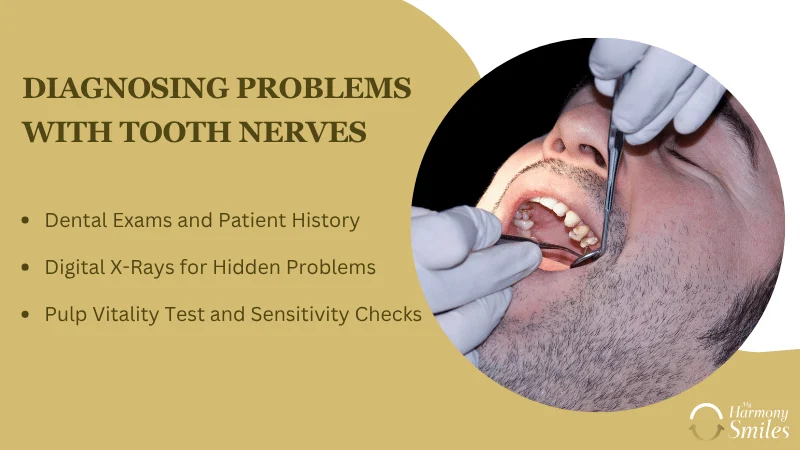
Dental Exams and Patient History
Your visit starts with a detailed dental exam and questions about your symptoms. You explain when the pain began, what it feels like, and what triggers it. Sharp pain with cold drinks or pain that lingers after heat can point to nerve irritation.
Your dentist checks the tooth for cracks, deep decay, loose fillings, or gum problems. They gently tap on the tooth and press on the gums to see if pressure causes pain.
This helps them tell the difference between surface damage and deeper nerve issues.
If your symptoms include throbbing pain or swelling, your dentist may consider problems like tooth nerve pain as early warning signs. Clear details from you make the diagnosis more accurate and protect your oral health.
Digital X-Rays for Hidden Problems
Not all nerve damage shows on the surface. Digital X-rays let your dentist see inside the tooth and below the gums.
These images can reveal:
- Deep cavities close to the pulp
- Infections at the root tip
- Bone loss around the tooth
- Cracks that reach the inner layers
Digital images appear quickly and use less radiation than older film X-rays. They help your dentist confirm if decay or infection has reached the dental nerves.
If bacteria infect the pulp, the condition may require treatment like a root canal. Imaging helps separate simple sensitivity from more serious internal damage.
Pulp Vitality Test and Sensitivity Checks
When your dentist suspects nerve damage, they may perform a pulp vitality test. This test checks how well the dental nerves respond to temperature or mild electrical stimulation.
For a cold test, your dentist places a small amount of cold material on the tooth. You report what you feel and how long it lasts. Pain that fades quickly often means the nerve is still healthy.
Pain that lingers or feels intense may signal inflammation or infection.
Sensitivity checks also compare the painful tooth to nearby teeth. If one tooth reacts very differently, the pulp may not function normally.
Early testing allows you to treat nerve problems before they harm your long-term oral health.
Effective Treatments and Pain Relief Options
You have clear options when tooth nerve pain points to damage inside the dental pulp. Dentists focus on removing infection, relieving pressure, and protecting or replacing the tooth to restore your oral health.
Root Canal Therapy and Saving the Tooth
A root canal removes infected or inflamed dental pulp from inside your tooth. Your dentist cleans the root canals, disinfects them, and seals the space to stop bacteria from returning.
This treatment works best when the nerve damage is severe, but the outer tooth structure remains strong. Many dentists recommend root canal therapy to save the natural tooth.
You usually feel pain relief within days because the infected tissue is gone. After treatment, your dentist often places a crown to protect the tooth from cracks.
Saving your natural tooth helps you:
- Keep normal chewing strength
- Maintain jaw bone support
- Avoid shifting of nearby teeth
A root canal does not remove the whole tooth. It removes the damaged nerve while keeping your tooth in place.
Tooth Extraction and When It’s Needed
Sometimes the damage goes too far. If the tooth cracks below the gum line, has severe infection, or cannot support a crown, your dentist may suggest tooth extraction.
You might also need extraction if the infection spreads to the surrounding bone or causes repeated abscesses. In these cases, removing the tooth protects your overall oral health.
After extraction, you have replacement options:
| Option | What It Does |
| Dental implant | Replaces the root and crown with a fixed solution |
| Bridge | Anchors an artificial tooth to nearby teeth |
| Partial denture | Removable replacement for one or more teeth |
Dental implants often feel the most natural. They also help prevent bone loss in your jaw.
Your dentist will weigh pain level, bone health, and long-term function before recommending removal.
Crowns, Fillings, and Restorative Care
If your nerve irritation is mild or caught early, you may not need a root canal. A deep filling can remove decay and seal the tooth before bacteria reach deeper pulp tissue.
For teeth weakened by cracks or large cavities, a crown covers and protects the remaining structure. Porcelain crowns reduce pressure on the tooth and lower the risk of further nerve damage.
Early restorative dentistry treatments will make a big difference. Quick care for cavities can prevent long-term tooth nerve pain.
Restorative care focuses on:
- Removing decay
- Sealing exposed dentin
- Preventing bacteria from reaching the pulp
Acting early often means simpler treatment and less discomfort.
Home Remedies and Pain Management
Home care cannot fix infected dental pulp, but it can reduce pain while you wait for treatment.
You can use:
- Ibuprofen to reduce inflammation
- Acetaminophen for pain control
- A cold compress on your cheek for 15–20 minutes
- A warm saltwater rinse to clean the area
Some people apply clove oil, which contains eugenol, a natural numbing compound. Apply a small amount with a cotton swab and avoid swallowing it.
These steps offer short-term relief. If pain lingers, worsens, or wakes you at night, you likely need professional care. Quick treatment protects your tooth and prevents deeper infection.
Prevention and Long-Term Oral Health Strategies
You can lower your risk of nerve damage by stopping decay early, protecting your teeth from force, and getting care before pain starts.
Simple daily habits and regular cleaning matter, as they play a direct role in keeping the tooth pulp healthy.
Oral Hygiene and Cavity Prevention
Good oral hygiene blocks the bacteria that cause dental decay and lead to nerve problems. When plaque sits on your teeth, it makes acids that wear down enamel and open a path to the pulp.
Brush twice a day with fluoride toothpaste. Floss once a day to clean between teeth where cavities often begin.
Focus on these habits:
- Use a soft-bristle toothbrush
- Replace your brush every 3–4 months
- Limit sugary drinks and snacks
- Rinse with water after meals if you cannot brush
Fluoride strengthens enamel and slows early decay. Early treatment matters because most oral conditions are preventable and treatable in their first stages.
When you treat small cavities early, you prevent deep dental infection that can reach the nerve.
Protecting Teeth from Injury and Grinding
Physical stress can damage the inner tooth even without visible cracks. A hard hit during sports or a fall can injure the pulp.
Wear a custom mouthguard during contact sports. It cushions impact and lowers the risk of fractures.
Nighttime teeth grinding, also called bruxism, puts steady pressure on your teeth. Over time, this force can wear enamel, cause cracks, and irritate the nerve.
Watch for signs like:
- Jaw soreness in the morning
- Headaches near your temples
- Flattened or chipped teeth
If you grind your teeth, your dentist can fit you with a night guard. This small step protects your enamel and reduces stress on the pulp.
Why Regular Dental Visits Matter

You cannot always see or feel early nerve problems. A routine dental exam and cleaning allow your dentist to spot small issues before they turn into severe pain.
Dentists use exams and X-rays to find hidden decay and early infection. Screening and preventive care help lower the risk of untreated oral disease.
Schedule checkups every six months, or more often if your dentist recommends it. Professional cleanings remove hardened plaque that brushing cannot.
Early care often means a simple filling instead of a root canal. Acting before pain starts protects your tooth nerve and supports long-term oral health.
Frequently Asked Questions
Tooth nerve pain often feels different from normal sensitivity. You may notice throbbing pain, sharp jolts, or numbness that does not go away on its own.
How can I tell if my tooth pain is coming from a nerve?
You may feel lingering pain after drinking something hot or cold. If the pain lasts more than a few seconds, the nerve inside the tooth may be inflamed.
Throbbing pain that wakes you up at night is another common sign. You might also feel pain when you bite down, even if you do not see damage on the tooth.
What are the most common symptoms of a damaged tooth nerve?
Pain is the most common symptom. It can range from dull and constant to sharp and severe.
You may also notice strong sensitivity to heat or cold. In some cases, the pain lingers long after the trigger is gone. Other warning signs include swelling, tenderness, or even numbness in the area.
Why do I have sharp, shooting tooth pain even though there’s no cavity?
You can have nerve pain without a visible cavity. A small crack, old filling, or hidden infection can irritate the nerve.
Sharp, sudden pain may also point to nerve-related conditions rather than simple decay. Some cases involve irritation of facial nerves. A dentist may need X-rays to find the exact cause.
Can a tooth nerve heal on its own, or does it usually need treatment?
Mild irritation may calm down if the cause is removed. For example, treating early decay or adjusting a bite problem can reduce inflammation.
If the nerve is infected or badly damaged, it usually does not heal on its own. Ongoing pain that lasts days or weeks often needs dental care. Ignoring the pain can allow the infection to spread deeper into the tooth.
What treatments do dentists use to relieve tooth nerve pain?
Dentists first examine the tooth and take X-rays. Treatment depends on how much damage the nerve has.
For mild cases, a filling or crown may protect the tooth and reduce irritation. If the nerve is infected, a root canal removes the damaged tissue and seals the tooth.
Can a tooth injury or trauma lead to nerve pain days or weeks later?
Yes, it can. A hit to the mouth during sports or a fall can bruise the nerve inside the tooth. Pain may not start right away.
You might notice sensitivity, discoloration, or throbbing days later. Delayed symptoms can still signal nerve injury and should be checked by a dentist.