
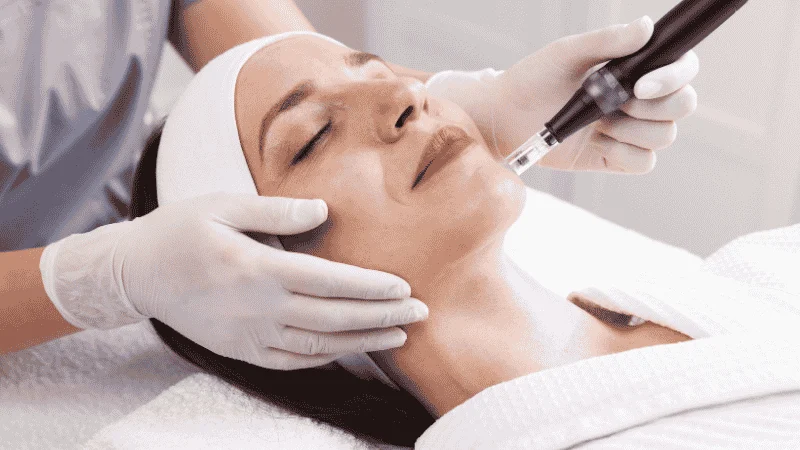
PRF microneedling combines two powerful skin treatments to help improve texture, reduce fine lines, and fade scars. This procedure uses tiny needles to create small channels in your skin while applying platelet-rich fibrin from your own blood.
The result is a natural approach to refreshing your appearance with minimal downtime.
You may be an ideal PRF microneedling candidate if you want to address concerns like acne scars, sun damage, fine lines, uneven skin texture, or enlarged pores, and you prefer a natural treatment that uses your body’s own healing properties.
This PRF microneedling treatment works well for all skin types and tones, making it accessible for most people seeking skin improvements.
Whether you’re in your 20s looking to prevent early signs of aging or over 40 seeking more corrective care, understanding who makes a good candidate can help you decide if this treatment fits your goals.
Some health conditions and situations may make PRF microneedling less suitable for you, so knowing the full picture helps you make the best choice for your skin.
Key Takeaways
- PRF microneedling suits people with acne scars, fine lines, sun damage, or uneven texture who want natural skin rejuvenation
- The treatment is safe for all skin types and works for both preventative care in younger patients and corrective treatment in older ones
- Certain health conditions, like pregnancy, active infections, or blood disorders, may prevent you from being a candidate
Understanding PRF Microneedling
PRF microneedling combines the regenerative power of your own blood components with controlled micro-injuries to boost skin healing and renewal.
This treatment uses concentrated platelets and growth factors without additives to enhance collagen production naturally.
What Is PRF and Platelet-Rich Fibrin?
PRF stands for Platelet-Rich Fibrin, which comes from your own blood. A medical professional draws a small blood sample and spins it in a centrifuge to separate the components.
The spinning process isolates platelets, white blood cells, and fibrin into a concentrated gel. Unlike other blood-derived treatments, PRF contains no additives or anticoagulants. This makes it a pure, natural substance that your body readily accepts.
PRF releases growth factors slowly over time, which helps your skin heal and regenerate for longer periods. The fibrin matrix acts like a scaffold that holds everything in place.
Your platelets contain proteins that signal your skin cells to repair damage and create new tissue.
Because PRF uses your own blood, you face almost no risk of allergic reactions or rejection. This autologous approach makes the treatment biocompatible and safe for most people.
How Microneedling With PRF Differs From Traditional Microneedling
Traditional microneedling creates tiny channels in your skin using fine needles that trigger your natural healing response. The micro-injuries boost collagen and elastin production on their own.
Microneedling with PRF takes this process further by applying platelet-rich fibrin before and during the needling procedure. The PRF penetrates deeply through the micro-channels created by the needles.
This delivers concentrated growth factors directly where your skin needs them most.
The key differences include:
- Enhanced healing: PRF accelerates tissue repair beyond what needles alone can achieve
- Stronger results: Growth factors stimulate more collagen production than traditional microneedling
- Longer effects: The fibrin matrix continues releasing beneficial proteins for days after treatment
- Natural approach: No synthetic serums or chemicals are applied to your skin
Some providers use PRP (Platelet-Rich Plasma) instead of PRF, but PRF contains more growth factors and white blood cells without additives.
Role of Collagen Induction Therapy and Collagen Production
Collagen induction therapy is the medical term for microneedling. The controlled micro-injuries prompt your body to produce new collagen and elastin fibers.
Collagen gives your skin structure and firmness. As you age, your body makes less collagen naturally. This leads to wrinkles, sagging, and texture changes.
The needling process creates precise wounds that activate fibroblasts in your skin. These cells rush to repair the damage by making fresh collagen. When you add PRF to this process, the growth factors tell your fibroblasts to work harder and longer.
Your skin builds new tissue over several weeks following treatment. The new collagen fills in lines, smooths texture, and tightens loose areas. The elastin fibers make your skin more flexible and resilient.
Microneedling with PRF boosts collagen production more effectively than microneedling alone. You typically see improvement within a few weeks, with results continuing to develop for months as your body generates more structural proteins.
Ideal Candidates for PRF Microneedling
PRF microneedling works well for people dealing with various skin issues, from early signs of aging to more noticeable concerns like scarring. This facial aesthetic treatment suits nearly all skin types and welcomes a wide range of ages.
Typical Skin Concerns Addressed
You might be a good candidate for microneedling if you’re struggling with acne scars that won’t fade with regular skincare products. The treatment helps improve skin texture by creating tiny channels that trigger your body’s natural healing response.
Fine lines and wrinkles respond well to microneedling and PRF because the combination boosts collagen production. Your skin becomes firmer over time as new tissue forms.
Sun damage and uneven pigmentation are other concerns this treatment addresses effectively. If you have enlarged pores or rough patches, the skin rejuvenation process can smooth things out.
You’ll also see benefits if you want skin tightening without surgery.
The PRF component speeds up recovery while delivering growth factors that enhance your results. This makes it a smart choice for anyone seeking comprehensive improvement with minimal downtime.
Best Skin Types and Tones
One major advantage is that PRF microneedling is suitable for all skin types and colors. Unlike some other treatments that can cause complications on darker skin, this procedure is safe across the spectrum.
Your skin tone doesn’t limit your options here. People with sensitive skin often tolerate the treatment well because PRF comes from your own blood, which means there’s virtually no risk of allergic reactions.
Whether you have dry, oily, or combination skin, the treatment adapts to your needs. The natural healing factors work with your body rather than against it.
Age Ranges and Lifestyle Suitability
You can benefit from this treatment whether you’re in your twenties focusing on prevention or in your forties and beyond seeking correction.
Those in their 20s and 30s pursuing preventative skin maintenance see great results, while people aged 40 and up enjoy more restorative effects.
You should be in good overall health and not pregnant or breastfeeding. If you prefer natural approaches to skincare over synthetic options, this treatment aligns with that philosophy.
Your lifestyle matters too. You need to commit to proper aftercare and sun protection following treatment. If you can take a day or two off from wearing makeup and avoid intense workouts right after your session, you’ll be a good fit.
Contraindications and When to Avoid Treatment
PRF microneedling isn’t safe for everyone, and certain health conditions, medications, and skin problems mean you should skip this treatment. Knowing these restrictions helps protect your skin and prevents complications.
Medical Conditions and Medications
If you have blood clotting disorders like hemophilia, PRF microneedling can increase bleeding risks during treatment. Your body needs normal clotting to heal properly after the microneedling device creates tiny channels in your skin.
People taking blood thinners like warfarin, aspirin, or clopidogrel face higher risks of bruising and bleeding. You’ll need to talk with your doctor about stopping these medications before treatment, but never stop them on your own.
Uncontrolled diabetes affects your ability to heal from the controlled injuries that microneedling creates. Your blood sugar needs to be stable before you’re a good candidate for microneedling.
If you’re pregnant or breastfeeding, most practitioners discourage cosmetic microneedling procedures due to lack of safety studies. It’s better to wait until after you finish nursing.
Anyone undergoing chemotherapy or taking immunosuppressant drugs should avoid treatment since their body can’t respond properly to the healing process.
Active Skin Problems
Active acne breakouts, especially severe or cystic acne, mean you should wait before getting PRF microneedling. The treatment can spread bacteria across your face and make breakouts worse.
Cold sores or herpes simplex virus can reactivate when the microneedling device punctures your skin. If you get cold sores, your provider might prescribe antiviral medication before treatment.
Skin infections like impetigo, fungal infections, or open wounds need to heal completely first. You can’t be a good candidate for microneedling until your skin clears up.
Active eczema, psoriasis plaques, or papulopustular rosacea flare-ups will get worse with treatment. Your inflammatory skin conditions must be under control before scheduling.
Other Treatment Exclusions
People with a history of keloid scarring should avoid PRF microneedling and RF microneedling entirely. The controlled injuries can trigger raised, thick scars that grow beyond the treatment area.
Recent radiation therapy requires a waiting period of at least six months. Your skin needs full recovery time before undergoing any microneedling procedure.
Solar keratosis or precancerous skin lesions disqualify you from treatment since the microneedling device shouldn’t be used on abnormal skin growths.
If you’ve used isotretinoin (Accutane) for acne, you need to wait at least six months after stopping before you’re a good candidate for microneedling. This medication affects skin healing and increases scarring risks.
What to Expect From the PRF Microneedling Experience
The treatment involves drawing your blood to create PRF, using a specialized device to create tiny channels in your skin, and applying the PRF to boost healing.
You’ll experience some redness and dryness afterward, but these effects typically fade within a few days.
How PRF Is Prepared and Applied
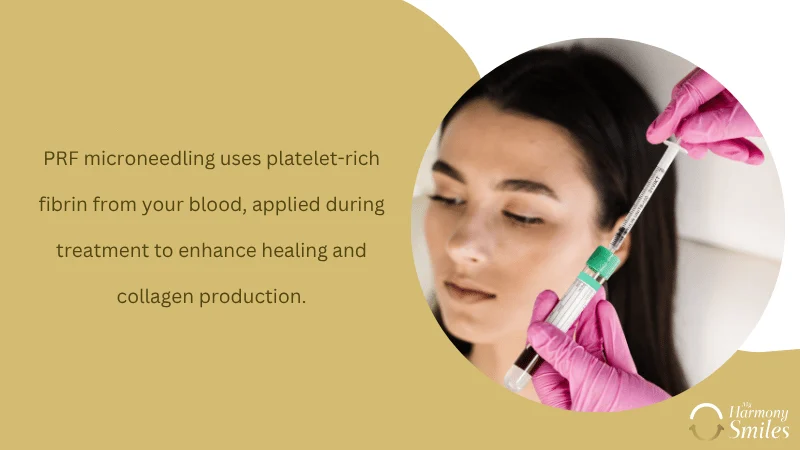
Your provider starts by drawing a small amount of blood from your arm, similar to a routine blood test. The blood goes into special tubes without any additives or chemicals.
The tubes spin in a centrifuge machine at low speed. This PRF preparation process separates the blood components, with heavier cells settling to the bottom while platelets, white blood cells, and fibrin concentrate at the top.
Your provider then extracts the golden-colored PRF layer using a syringe. This concentrated substance contains natural growth factors that help your skin heal and produce collagen.
The PRF gets applied directly to your skin during the microneedling process. Some providers apply it before needling, while others work in sections and alternate between applying PRF and needling the area.
Any remaining PRF may be applied at the end of the treatment.
Overview of the Procedure and Devices Used
Your appointment typically lasts about one hour from start to finish. You’ll have numbing cream applied to your face for roughly 20 minutes to prevent discomfort during the treatment.
Your provider uses a professional-grade microneedling device with sterile needles to create controlled micro-injuries in your skin. The handheld pen punctures your skin with fine needles at specific depths based on your skin concerns.
The actual microneedling takes around 30 minutes. The needles create tiny channels that trigger your body’s healing response without damaging the outer layer of your skin.
Your provider may also use hyaluronic acid or hydrating serum during the process to help the device glide smoothly across your face.
Potential Side Effects and Post-Treatment Care
Your skin will look red and feel slightly swollen right after treatment, similar to a mild sunburn. These effects are normal and usually go away within one to two days.
You’ll notice your skin becomes quite dry and may peel over the first few days. During this time, your skin is more sensitive to products and sun exposure.
For the first 24 hours:
- Avoid all skincare products and makeup
- Don’t exercise for up to 48 hours
- Keep hair away from your face
- Take only acetaminophen if you need pain relief
After 24 hours, you can:
- Wash your face gently with lukewarm water
- Apply hyaluronic acid and light moisturizer
- Use makeup with clean brushes
- Apply sunscreen of at least 30 SPF daily
Post-treatment care instructions also include avoiding anti-inflammatory medications, antihistamines, and blood-thinning supplements for the first week. Don’t rub or scrub your skin during the healing process.
Enhancing Results: Benefits and Longevity
PRF microneedling delivers powerful skin improvements that build over time and last longer than many other treatments. The combination works with your body’s natural healing to create fresh collagen and elastin while maintaining results for months.
Boosting Collagen and Elastin Production
Your skin creates new collagen and elastin after each PRF microneedling session. The tiny needle punctures signal your body to start healing, which triggers collagen production naturally.
PRF speeds up this process because it contains growth factors from your own blood.
These growth factors feed your skin the exact ingredients it needs to build new tissue. Without any additives to slow things down, PRF releases healing proteins steadily over time.
What you can expect:
- New collagen forms over 4-6 weeks after treatment
- Elastin production increases skin firmness
- Fine lines gradually fade as tissue rebuilds
- Skin texture becomes smoother with each session
The collagen stimulation from microneedling creates a protein matrix that deposits in your skin. This leads to visible tightening and a more youthful appearance that develops naturally rather than appearing overnight.
Long-Lasting Results and Maintenance
You’ll see the best results between 4-9 months after completing your treatment series. Since the procedure stimulates new tissue growth instead of providing temporary fixes, the results of microneedling with PRF are long-lasting.
Most patients need 3-4 treatments spaced about 4-6 weeks apart to achieve their desired outcome. After that, maintenance sessions every 6-12 months help preserve your results.
Your lifestyle choices affect how long your skin rejuvenation lasts. Proper skincare, staying hydrated, eating well, and protecting your skin from sun damage all help maintain the benefits. Smoking can reduce treatment effectiveness.
The changes appear gradually rather than dramatically, which gives you a natural look that improves over time.
PRF Versus PRP: What Makes PRF Unique?
PRF is a newer version of PRP and works better for skin treatments. The main difference is that PRF doesn’t need anti-clotting additives to activate growth factors.
Key differences between PRF and PRP:
| Feature | PRF | PRP |
| Additives | None | Anti-clotting agents required |
| Release time | Slow and steady | Faster but shorter |
| Results duration | Longer-lasting | Shorter-term |
| Healing speed | Faster natural healing | Slower due to additives |
The additives in PRP block your natural clotting process and slow down healing. PRF lets your body work naturally without interference.
This means PRF releases growth factors over a longer period, which creates better collagen production and more noticeable improvements in your skin.
Frequently Asked Questions
PRF microneedling works well for many people, but certain health conditions, medications, and skin types can affect whether this treatment is right for you. Here are answers to common questions about who makes the best candidate.
What skin concerns can PRF microneedling help improve the most?
PRF microneedling works best for people dealing with acne scars, fine lines, and wrinkles. The treatment can also address uneven skin texture and large pores.
If you have sun damage or hyperpigmentation, this procedure may help even out your skin tone. Microneedling with PRF tackles concerns from uneven texture to scars without requiring surgery.
People with skin laxity often see good results too. The treatment boosts collagen production, which helps tighten and firm the skin over time.
Who should avoid PRF microneedling because of certain medical conditions?
You should avoid PRF microneedling if you are currently pregnant or breastfeeding. The procedure is not recommended during these times even though it uses your own blood.
People with active skin infections or open wounds in the treatment area need to wait until their skin heals. Getting microneedling while you have an infection could spread bacteria and make things worse.
If you have a history of keloid scarring, you may not be a good candidate. The micro-injuries created during treatment could trigger excessive scar tissue formation.
Can people with autoimmune conditions like lupus safely get PRF microneedling?
People with autoimmune conditions should talk to their doctor before getting PRF microneedling. Conditions like lupus can affect how your skin heals and responds to treatments.
Some autoimmune disorders make your skin more sensitive or prone to inflammation. Your immune system might react differently to the controlled micro-injuries created during the procedure.
A medical professional can review your specific condition and current symptoms. They can help determine if the benefits outweigh any potential risks for your situation.
Is PRF microneedling a good option for sensitive or reactive skin types?
PRF microneedling can work for sensitive skin, but you need to manage your expectations. Your skin may stay red longer than someone with normal skin.
PRF microneedling is suitable for all skin types and colors, unlike some other treatments that cannot be used on darker skin tones. The procedure uses your own blood components, which reduces the risk of allergic reactions.
If you have very reactive skin, start with a consultation. A trained provider can assess your skin and adjust the treatment depth to minimize irritation.
What age range typically benefits most from PRF microneedling treatments?
People in their 20s and 30s can use PRF microneedling for preventative skin maintenance. Starting early helps keep your skin healthy and may delay visible signs of aging.
Those aged 40 and older often seek this treatment for more corrective purposes. The procedure can address existing fine lines, wrinkles, and age-related texture changes.
There is no strict upper age limit for PRF microneedling. Your overall health and skin condition matter more than your actual age.
Are there any medications or supplements that could make someone a poor candidate for PRF microneedling?
Blood thinners like aspirin, warfarin, or certain supplements can increase bruising and bleeding during treatment. You may need to stop taking these medications a few days before your appointment.
Talk to your provider about any prescription medications you take. Some drugs affect wound healing or increase your risk of infection.
Retinoids and other strong skincare ingredients should be stopped before treatment. Your provider will give you specific instructions about which products to avoid and for how long.